The Roots of Representation: From Ancient Sculpture to Renaissance Humanism
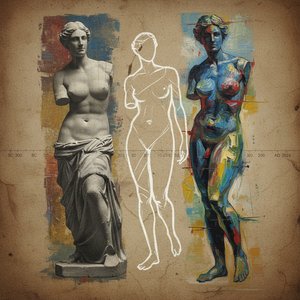
The human form has been at the heart of artistic endeavor since the dawn of civilization. From the earliest cave paintings depicting hunts and rituals to the monumental sculptures of ancient Greece, our ancestors sought not merely to *reproduce* reality but to understand it – and their place within it – through visual representation. The idealized forms of classical sculpture weren’t simply aesthetic exercises; they embodied philosophical ideals of beauty, proportion, and harmony. These principles, rediscovered during the Renaissance, fueled a renewed interest in anatomical accuracy and the celebration of human potential. Artists like Leonardo da Vinci didn't just paint bodies; they dissected them, meticulously studying musculature and bone structure to achieve an unprecedented level of realism. This pursuit wasn’t merely technical; it was deeply intertwined with the burgeoning humanist movement, which placed humankind at the center of its worldview. The rediscovery of lost texts and a focus on individual experience shifted artistic attention from solely religious iconography towards portraits and scenes celebrating earthly life – a testament to the power of observation and the inherent dignity of the human subject.
The Challenge of Abstraction & the Reassertion of Figuration in the 19th Century
The 19th century witnessed a seismic shift in artistic thinking. The rise of photography challenged the very notion of painting’s purpose – why painstakingly recreate what a machine could capture instantaneously? This spurred artists to explore alternatives, leading to the emergence of Impressionism and, ultimately, abstraction. Movements like Cubism, with its fragmented perspectives, deliberately rejected traditional representation in favor of exploring form and space itself. However, even within these radical departures, the human figure often lingered – albeit deconstructed or reimagined. The rejection of academic realism wasn’t a complete abandonment of figuration but rather a questioning of *how* to represent it. As abstraction gained prominence, a counter-movement began to emerge, fueled by artists who felt alienated by its perceived coldness and lack of emotional resonance. Realism, championed by Courbet, sought to depict everyday life with unflinching honesty, while Symbolism explored the inner world through evocative imagery often featuring mythological or allegorical figures.
Modern Masters & Emotional Expression: Picasso, Schiele, and Beyond
The 20th century saw a proliferation of artistic styles, each offering a unique perspective on the human condition. Pablo Picasso’s groundbreaking work, particularly his Cubist period, shattered conventional notions of form and perspective, yet even in his most abstract compositions, echoes of the human figure remained – distorted, fragmented, but undeniably present. Artists like Egon Schiele took figuration in a radically different direction, exploring raw emotion and psychological vulnerability through intensely expressive lines and unsettling depictions of the nude. His work, often controversial for its frank sexuality and existential angst, paved the way for a new era of artistic self-expression. Simultaneously, artists such as Francis Bacon confronted the anxieties of the modern world with visceral, distorted figures that reflected the trauma and alienation of post-war society. These masters weren’t simply painting what they *saw*; they were conveying what they *felt* – using the human form as a vehicle for exploring profound psychological states.
Figurative Art After World War II: New Forms and Conceptual Approaches
The aftermath of World War II brought about a renewed sense of existential questioning and a rejection of traditional values. Abstract Expressionism dominated the art world for much of the 1950s, but by the 1960s, a resurgence of figuration began to take hold. This wasn’t a simple return to realism; artists were now grappling with new conceptual concerns – identity, politics, and the role of the artist in society. Pop Art incorporated imagery from popular culture, often juxtaposing it with traditional figurative elements to create ironic commentary on consumerism and mass media. Bay Area Figurative Movement challenged the dominance of Abstract Expressionism by focusing on everyday subjects and a more direct engagement with reality. Artists began experimenting with new materials and techniques, blurring the boundaries between painting, sculpture, and performance art. The human figure became a site for exploring social issues and challenging established norms.
Contemporary Figurative Painting: Exploring Identity, Eroticism, and Personal Narratives
Today’s figurative painters are incredibly diverse, reflecting a globalized world and a multiplicity of perspectives. Artists like Lisa Yuskavage challenge conventional notions of beauty and sexuality with her provocative and sensual nudes, blending classical technique with pop culture references. Others, such as Kostas Lales, explore themes of identity, eroticism, and self-awareness through bold colors and expressive forms. The boundaries between abstraction and figuration continue to blur, with many artists incorporating elements of both into their work. There’s a renewed interest in narrative painting – telling stories and exploring personal experiences through visual imagery. Contemporary figurative art is characterized by its willingness to experiment, challenge conventions, and engage with complex social and political issues. It's a vibrant and dynamic field that reflects the ever-changing complexities of the human experience.
Collecting Figurative Art: A Guide for Discerning Investors and Enthusiasts
Investing in figurative art can be both personally rewarding and financially astute. The market for established masters remains strong, but there are also exciting opportunities to discover emerging artists with significant potential. Consider your personal taste: what styles and themes resonate with you? Research the artist’s background, exhibition history, and critical reception. Provenance is key – a well-documented history of ownership adds value and authenticity. Don't hesitate to seek expert advice from art consultants or appraisers. BuyPopArt offers a curated selection of museum-quality reproductions, allowing you to experience the beauty and emotional power of figurative art in your own home. Whether you’re building a serious collection or simply seeking a statement piece, remember that the most important thing is to choose artwork that speaks to you – pieces that will inspire and enrich your life for years to come. Explore our extensive library and discover the perfect addition to your space.