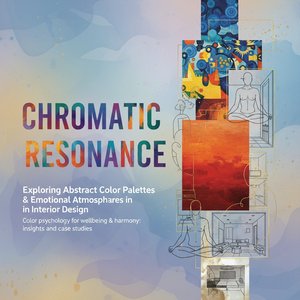
The Psychology of Space: How Art Shapes Mood & Wellbeing
Emotional Design is both the title of a book by Donald Norman and of the concept it represents. == Content == The main topic covered is how emotions have a crucial role in the human ability to understand the world, and how they learn new things. In...
For millennia, humans have imbued their surroundings with meaning through art—not merely as decoration, but as a fundamental expression of identity and a conduit to emotional resonance. The spaces we inhabit profoundly influence our psychological state, and the artwork within them acts as a powerful catalyst for shaping perception, fostering creativity, and cultivating a sense of wellbeing. Consider the ancient soul houses of Egypt, meticulously crafted miniature dwellings intended to provide comfort in the afterlife; these weren’t simply representations of homes, but embodiments of longing, memory, and spiritual aspiration. This innate human desire to surround ourselves with beauty and symbolism continues today, albeit expressed through vastly different aesthetic languages.
The impact isn't merely subjective. Studies in neuroaesthetics demonstrate that viewing art activates regions of the brain associated with pleasure, empathy, and even physical comfort. Warm colors like ochre and crimson can evoke feelings of intimacy and energy, while cooler tones—blues and greens—tend to promote tranquility and focus. Abstract Expressionism, exemplified by Arshile Gorky’s swirling forms in “One Year the Milkweed” (1944), bypasses literal representation altogether, directly engaging with the subconscious through color, texture, and gesture. The emotional depth of such works stems from their ability to tap into universal human experiences—loss, hope, longing—without relying on specific narratives. The very act of contemplation before a piece like Gorky’s can be restorative, offering a momentary escape from the pressures of daily life.
However, the power of art extends beyond individual emotional response. The arrangement and selection of artwork within a space also play a crucial role in defining its character and functionality. A minimalist office might benefit from bold, geometric abstractions to stimulate innovation, while a bedroom could be enhanced by softer, more organic forms that promote relaxation. The key lies in understanding the interplay between color psychology, spatial dynamics, and personal preference.
Beyond Trends: Cultivating Timeless Interiors with Renaissance Reverie, Impressionist Light & Pop Art Vibrancy
 Beyond Ephemeral Trends: Cultivating Enduring Interior Aesthetics Through Renaissance Reverie, Impressionist Light, and Pop Art Vibrancy
Discover enduring interior aesthetics inspired by Renaissance artistry, Impressionist light & Pop Art vibrancy. Expert guidance for creating timeless, luxury homes. Explore art curation & design principles.
In a world saturated with ephemeral trends, cultivating an interior aesthetic that endures requires a deliberate rejection of fleeting fashions in favor of timeless principles. While contemporary design often prioritizes novelty, the most successful spaces seamlessly blend historical influences with modern sensibilities. Consider the enduring appeal of Renaissance artistry—its emphasis on harmony, proportion, and humanism continues to resonate centuries later. The meticulous detail and emotional depth found in works from this period offer a sense of gravitas and sophistication that transcends stylistic boundaries.
Similarly, the Impressionist movement’s exploration of light and color remains profoundly influential. Monet's ethereal landscapes, with their delicate brushstrokes and vibrant palettes, capture the fleeting beauty of the natural world. Bringing elements of Impressionism into a contemporary interior—through paintings, prints, or even carefully chosen textiles—can infuse a space with warmth, luminosity, and a sense of serenity. Sir Howard Hodgkin’s “When did we go to Morocco” (1988) exemplifies this approach, utilizing bold colors and dynamic brushstrokes to evoke the sensory experience of travel and memory.
Don't underestimate the power of Pop Art either. Its vibrant energy and playful imagery can inject a sense of fun and irreverence into an otherwise formal space. The key is balance—combining elements from different periods and styles in a way that feels cohesive and harmonious. A carefully curated collection might juxtapose a Renaissance portrait with a bold Pop Art print, creating a dynamic tension that sparks conversation and reflects the homeowner’s unique personality.
Investing in Emotion: The Rising Value of Art as a Tangible Asset
An alternative investment, also known as an alternative asset or alternative investment fund (AIF), is an investment in any asset class excluding capital stocks, bonds, and cash. The term is a relatively loose one and includes tangible assets such as...
Beyond its aesthetic and emotional benefits, art is increasingly recognized as a valuable tangible asset—a safe haven for capital and a potential source of long-term financial growth. While traditionally considered the domain of high-net-worth individuals, alternative investments like art are becoming more accessible to a wider range of collectors. The market has demonstrated remarkable resilience in recent years, with prices for blue-chip artworks continuing to rise despite economic fluctuations.
However, successful art investment requires careful research and informed decision-making. Unlike stocks or bonds, the value of an artwork is subjective and influenced by a complex interplay of factors—artist reputation, historical significance, provenance, condition, and market demand. It’s crucial to understand these dynamics before making any significant purchases.
Paul Cézanne’s “Basket of Apples” (circa 1893) serves as an excellent example of a work with enduring value. Its iconic status, coupled with its historical importance and aesthetic beauty, ensures its continued desirability among collectors. Investing in established artists with proven track records is generally considered less risky than speculating on emerging talent, although the potential for higher returns may also be greater with lesser-known names.
Curating Your Narrative: Selecting Artwork That Reflects Personal Identity
Ultimately, the most rewarding aspect of art collecting lies in its ability to reflect personal identity and create a space that feels authentically *you*. Rather than simply following trends or chasing investment potential, focus on selecting artwork that resonates with your values, experiences, and aspirations. Consider the stories you want to tell—the memories you cherish, the places you’ve traveled, the emotions you seek to evoke.
A thoughtfully curated collection should be a visual autobiography—a reflection of your unique journey and perspective. Don't be afraid to mix styles, periods, and mediums—the goal is not to create a museum-like display but rather a personal sanctuary that inspires and uplifts. Surround yourself with artwork that sparks joy, ignites conversation, and fosters a sense of connection.
The process should be intuitive and deeply personal. Visit galleries, explore online collections, and engage with artists whose work speaks to you. Don’t hesitate to seek advice from art consultants or interior designers—they can offer valuable insights and help you navigate the complexities of the art market.
The Artist's Hand: Understanding Craftsmanship and its Impact on Value
While prints and digital reproductions offer affordability and accessibility, there is an undeniable allure to handmade artwork. The artist’s hand—the visible brushstrokes, the subtle textures, the unique imperfections—impart a sense of authenticity and emotional depth that cannot be replicated by mechanical processes. Understanding the techniques employed by artists can deepen your appreciation for their work and inform your investment decisions.
The creation of an oil painting is a labor-intensive process requiring years of training and dedication. From preparing the canvas to mixing pigments to applying layers of paint, each step demands skill, precision, and artistic vision. A skilled artist can capture not only the likeness of a subject but also its essence—its mood, personality, and inner life.
The quality of materials also plays a crucial role in determining an artwork’s longevity and value. Premium-grade oil paints, 100% cotton canvas, and archival framing ensure that the piece will withstand the test of time. Investing in artwork crafted with care and attention to detail is not merely purchasing an object—it's acquiring a legacy.
Transforming Business Spaces: Strategic Art Investments for Brand Enhancement
 Elevating Business Spaces: The Strategic Power of Custom Art Investments
Elevate your business space with strategic art investments. offers expert consultation, custom commissions & museum-quality reproductions for hotels, offices & luxury interiors. Build brand identity and enhance wellbeing.
The power of art extends beyond the private realm, offering significant benefits for businesses seeking to enhance their brand identity, create a welcoming atmosphere, and foster employee wellbeing. Strategic art investments can transform offices, hotels, and retail spaces into destinations—environments that inspire creativity, promote collaboration, and leave a lasting impression on clients.
Art as a Branding Tool: Carefully selected artwork can communicate a company’s values, mission, and aesthetic sensibilities. A modern tech startup might opt for bold, abstract pieces to convey innovation and forward-thinking thinking, while a luxury hotel could showcase classic masterpieces to evoke sophistication and elegance.
Custom Commissions & Museum-Quality Reproductions: BuyPopArt.com offers expert consultation, custom commissions, and museum-quality reproductions tailored to the specific needs of businesses. Whether you’re seeking to create a signature piece for your lobby or furnish an entire hotel with artwork, our team can provide personalized solutions that align with your brand aesthetic.
Investing in art is not merely an expense—it's a strategic investment in your company’s image and long-term success. By creating a visually compelling environment, you can attract top talent, foster client loyalty, and enhance your overall brand reputation. At BuyPopArt.com, we believe that art has the power to transform spaces and build lasting connections.