Gérard de Lairesse: A Leading Figure of Belgian Baroque Art
Gérard de Lairesse (1640-1711) was a prominent Belgian painter who significantly contributed to the development and flourishing of Baroque art during the 17th century. Born in Liège, Belgium, his career spanned a period of considerable artistic transformation across Europe, leaving behind a legacy marked by dramatic compositions, masterful use of light and shadow, and a distinct influence on subsequent generations of artists.
Early Life and Training: Foundations of an Artistic Career
- Birth and Origins: Gérard de Lairesse was born in Liège, Belgium, in 1640.
- Apprenticeship under Erasmus II Massius: His artistic journey began with training under the tutelage of Erasmus II Massius, a well-regarded painter from the region. This foundational experience provided him with essential technical skills and an introduction to the art world.
- Influence of Caravaggio and Rembrandt: De Lairesse was deeply inspired by the works of two giants of European painting – Caravaggio and Rembrandt. The dramatic use of light and shadow (tenebrism) championed by Caravaggio, and the psychological depth and masterful handling of light characteristic of Rembrandt, profoundly shaped his artistic style and technique.
Artistic Style and Key Contributions: Defining a Baroque Vision
- Baroque Characteristics: De Lairesse’s paintings are quintessential examples of Baroque art, characterized by their dynamic compositions, intense emotionality, and dramatic use of light and shadow (chiaroscuro).
- Mastery of Chiaroscuro: He expertly employed chiaroscuro to create a sense of volume, depth, and heightened drama in his works. This technique was central to the Baroque aesthetic.
- Notable Works: Among his most celebrated pieces are "The Martyrdom of Saint Sebastian" and "The Baptism of Christ," which showcase his exceptional command of color, form, and composition. These paintings exemplify his ability to convey powerful narratives with emotional intensity.
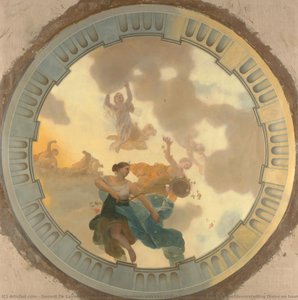
- Beyond Religious Subjects: While known for religious scenes, de Lairesse also explored mythological themes, portraits, and landscapes, demonstrating versatility within the Baroque style. Examples include "Apollo and Aurora," "Diana and Endymion" and “Allegory of the Five Senses”.
Influences and Legacy: Shaping Artistic Trends
- Utrecht Caravaggisti Influence: De Lairesse was heavily influenced by the Utrecht Caravaggisti, a group of Dutch painters who embraced Caravaggio’s dramatic lighting techniques.
- Peter Paul Rubens' Impact: The legacy of Peter Paul Rubens, a dominant figure in Flemish Baroque painting, also resonated within de Lairesse's work, though his style developed its own distinct characteristics.
- Influence on Jan van Huchtenburgh: His artistic innovations and techniques influenced later artists like Jan van Huchtenburgh, demonstrating the ripple effect of his contributions to the art world.
- Portraiture and Engraving: De Lairesse's influence extended beyond painting; he was also recognized for his portraiture and collaborations with engravers such as Gerard Valck who created prints based on his designs.
Historical Significance and Recognition
Gérard de Lairesse holds a significant place in the history of Belgian art, representing a key figure in the development of Baroque painting within the region. His skillful use of chiaroscuro, dramatic compositions, and emotive narratives established him as a notable artist of his time. Today, his works are recognized for their artistic merit and historical importance, with pieces residing in prestigious collections such as the National Gallery in London. BuyPopArt.com offers high-quality reproductions of de Lairesse's masterpieces, allowing art enthusiasts to appreciate his contributions to Baroque art.