
A Symphony of Habsburg Grandeur and Klimt’s Golden Embrace: The Belvedere Palace
Rising from meticulously sculpted gardens in the heart of Vienna, the Belvedere Palace isn't merely a repository of Austrian art; it *is* an embodiment of its spirit – a testament to Prince Eugene of Savoy’s ambition, refined taste, and profound understanding of how art could shape a nation’s identity. More than just a palace, the Belvedere is a layered experience, a journey through five centuries of artistic evolution, beginning with medieval treasures and culminating in the dazzling modernism of Gustav Klimt and his contemporaries. The complex itself, comprising the Upper and Lower Belvedere connected by sweeping vistas, is a masterpiece of Baroque design, a harmonious blend of grandeur and elegance that continues to inspire awe and delight. It’s a place where history breathes through opulent staterooms, whispers from ancient panel paintings, and explodes in the shimmering gold of Klimt's most celebrated works.
The story begins, unsurprisingly, with Prince Eugene, a brilliant military strategist who, through shrewd political maneuvering and decisive victories, amassed both wealth and land. Recognizing the power of visual representation, he commissioned Johann Lucas von Hildebrandt to create not merely a residence, but a statement – a palace that would rival European monarchs and reflect his cultivated sensibilities. The result is a structure of breathtaking scale and meticulous detail, where every fresco, stucco ornament, and sculpted element speaks to the Prince’s desire for both power and refinement. The Upper Belvedere's Staterooms, adorned with opulent frescoes depicting scenes from classical mythology and Habsburg history, transport visitors back to the height of imperial life, offering a glimpse into the lavish entertainments and diplomatic intrigues that unfolded within these very walls. The sheer scale of the rooms, the intricate detail of the ceilings, and the vibrant colors of the paintings create an immersive experience, allowing one to almost feel the presence of past emperors and empresses.
However, to reduce the Belvedere’s legacy solely to its Habsburg grandeur would be a profound disservice. The Lower Belvedere, originally designed as a hunting lodge, retains a more intimate atmosphere, showcasing a collection of early Austrian art – including remarkable examples of medieval panel paintings and Renaissance sculptures – providing a crucial foundation for understanding the artistic lineage that would flourish at the palace. Here, one encounters works by masters like Hans von der Fust, whose intricate depictions of biblical scenes reveal the burgeoning artistic talent within Austria during the 15th century. The collection here is not merely decorative; it’s a tangible link to the country's early cultural development, demonstrating the evolution of artistic techniques and styles over time.
The Klimt Revelation: A Masterclass in Gold
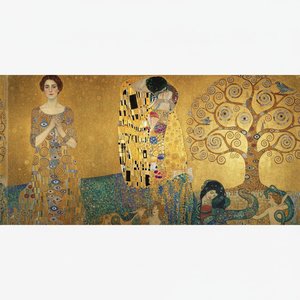
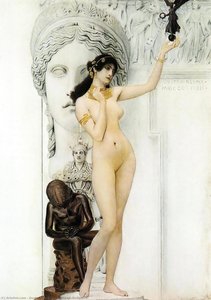
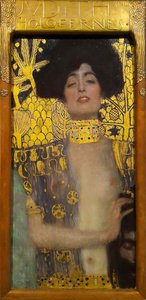
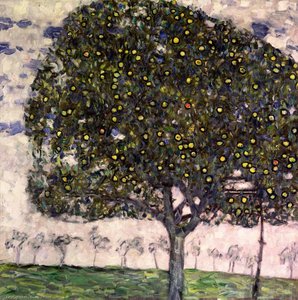
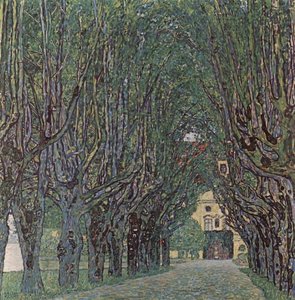
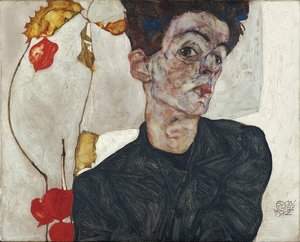
While the entire Belvedere collection is undeniably impressive, it’s arguably the museum’s devotion to Gustav Klimt that draws the largest crowds and secures its place as a global icon. The Upper Belvedere houses an unparalleled collection of Klimt’s paintings, centered around “The Kiss,” perhaps the most recognizable image in modern art. This shimmering masterpiece, with its intricate gold leaf patterns and evocative depiction of lovers entwined, dominates Gallery VII, captivating viewers with its mesmerizing beauty and masterful technique. But to reduce Klimt's legacy solely to "The Kiss" is a profound disservice. The museum thoughtfully presents his artistic evolution, showcasing his early academic works alongside portraits like “Judith I,” demonstrating a remarkable progression toward expressive abstraction – a journey culminating in the bold, symbolic language of his later masterpieces. Beyond Klimt’s individual brilliance, the collection reveals a broader Viennese Modernist movement, featuring significant works by Egon Schiele and Oskar Kokoschka—artists who pushed the boundaries of artistic expression with their raw emotional intensity and innovative approaches to form and color.
The juxtaposition of Klimt's shimmering surfaces with the more grounded realism of earlier Austrian artists creates a fascinating dialogue. One can trace the influence of Byzantine mosaics on Klimt’s early work, while observing how he gradually moved away from strict academic conventions toward a more subjective and emotionally charged style. The museum doesn’t simply display these paintings; it illuminates the context in which they were created, revealing the social and intellectual currents that shaped Viennese art at the turn of the 20th century.
Architectural Splendor & Historical Context
The Belvedere’s architectural splendor is inextricably linked to its historical narrative. Hildebrandt's design seamlessly blends Baroque grandeur with a distinctly Austrian sensibility, incorporating elements from Italian Renaissance palaces while retaining a sense of local identity. The vast scale of the palace reflects Prince Eugene’s ambition and his desire to project an image of power and sophistication. Crucially, the Belvedere wasn’t simply built as a private retreat; it was conceived as Vienna's first public museum in 1781 – a pivotal moment in the democratization of art and a testament to Empress Maria Theresa’s vision for making artistic treasures accessible to all citizens. This early commitment to public engagement shaped the museum’s ethos, fostering an environment where creativity flourished and cultural understanding deepened.
The surrounding gardens, meticulously landscaped according to Baroque principles, further enhance the palace's allure, providing tranquil spaces for reflection and contemplation – a vital counterpoint to the opulent interiors. The interplay of light and shadow, the carefully placed sculptures, and the formal hedges create a harmonious landscape that complements the grandeur of the palace itself. The gardens were designed not just as an aesthetic delight but also as a space for social gatherings and diplomatic negotiations, reflecting the Prince’s desire to establish Vienna as a center of European culture.
A Living Legacy: Belvedere 21 & Future Horizons
The Belvedere’s story doesn’t end in the 18th century. In 2001, the museum expanded dramatically with the addition of Belvedere 21, a state-of-the-art contemporary art space housed within a former tobacco factory. This innovative extension provides a vital platform for showcasing cutting-edge artistic practices and engaging with new audiences. Today, the Belvedere continues to evolve as a vibrant cultural institution, forging connections between Vienna and the global community through exhibitions, educational programs, and ongoing research initiatives. It remains a beacon of Austrian cultural heritage, inviting visitors to immerse themselves in beauty, contemplate the enduring legacy of art, and experience the spirit of a city that has long been at the forefront of artistic innovation.
Useful Links: