


A Renaissance Heartbeat: Unveiling the Galleria degli Uffizi
Nestled within the very soul of Florence—a city perpetually draped in the hues of history and artistic fervor—lies the Galleria degli Uffizi, an experience that transcends mere museum-going. It’s not simply a repository of masterpieces; it's a meticulously crafted portal, painstakingly assembled over centuries, transporting visitors on a breathtaking journey through the dazzling evolution of Renaissance brilliance. Originally conceived as administrative offices – “Uffizi” in Italian – by Giorgio Vasari for Florentine magistrates, this magnificent palace has undergone an astonishing transformation, blossoming into one of the world’s most revered sanctuaries of artistic legacy, inextricably linked to the enduring ambition and patronage of the powerful Medici family.
Stepping through its grand entrance is akin to entering a carefully curated dreamscape. Light dances across centuries-old frescoes, whispering tales of courtly intrigue and artistic innovation. The echoes of genius resonate within every hall, inviting contemplation as much as profound admiration. The Uffizi isn’t merely a collection of paintings; it's a testament to the boundless capacity of human creativity, the potent sway of political power, and the enduring allure of beauty—a tangible embodiment of Florence’s golden age.
Architectural Harmony: A Space Designed for Inspiration
Vasari’s revolutionary design – a sweeping internal courtyard opening onto the Arno River – was a deliberate stroke of genius, an audacious attempt to create an environment that celebrated and amplified art. It wasn't simply about housing paintings and sculptures; it was about crafting a harmonious blend of architectural grandeur and artistic brilliance—a space meticulously designed to inspire awe and foster a deep connection with the works within. Notice how the rhythmic repetition of architectural elements – the imposing Doric columns, the delicate arches, the strategically placed windows – contributes to a sense of balanced order and monumental beauty.
The open courtyard itself, flooded with natural light, served as an extension of the artistic space, blurring the boundaries between interior and exterior, creating an immersive environment that seemed to breathe with creative energy. This deliberate design wasn’t merely aesthetic; it was intended to elevate the viewer’s experience, subtly guiding their gaze towards the masterpieces housed within. The strategic placement of windows, for example, ensured that light fell precisely on the artworks, enhancing their colors and details—a crucial consideration for artists of the time. The entire structure feels less like a building and more like an invitation to lose oneself in beauty.
A Treasure Trove of Masterpieces: Botticelli’s Visions to Michelangelo’s Power
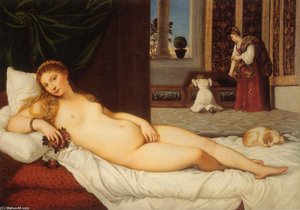
Within these hallowed halls reside treasures that have fundamentally shaped the course of Western art history. The Uffizi’s collection boasts a staggering 3,000 artworks spanning from the Roman era to the Baroque period, a testament to its unparalleled scope and depth. Representing artists such as Michelangelo, Leonardo da Vinci, Raphael, Botticelli, Caravaggio, and Titian, the sheer scale is breathtaking—yet it's the quality of the works that truly captivates. Imagine standing before Michelangelo’s David , a monumental embodiment of human form, radiating strength and grace; or losing yourself in the enigmatic smile of Leonardo da Vinci’s Mona Lisa , a portrait that continues to hold countless secrets; or marveling at Raphael’s School of Athens , a vibrant depiction of classical learning, brimming with intellectual curiosity.
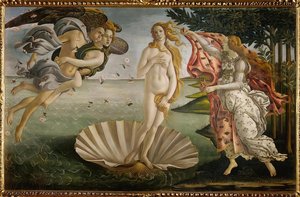
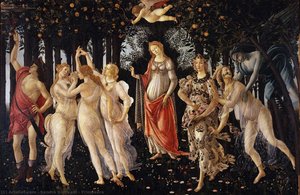
Botticelli's Primavera and Birth of Venus are undeniably central to the Uffizi experience. Consider Primavera , a vibrant allegory of spring, bursting forth with graceful figures representing Flora, Chloris, Zephyrus, Mercury, and Venus herself—each rendered with meticulous attention to detail and delicate color palettes. Scholars continue to debate the intricate symbolism embedded within each element, from the depiction of pagan deities to the precise botanical accuracy reflecting Renaissance scientific inquiry. Botticelli’s masterful use of tempera on poplar panels exemplifies the artistic techniques prevalent during his time – a testament to the enduring quality of his work. Birth of Venus , depicting the goddess emerging from a seashell, is equally captivating. The sheer elegance of Venus's pose, combined with the delicate rendering of her skin and flowing hair, embodies an ideal of feminine grace that would influence artists for centuries to come. The painting utilizes *sfumato*, a subtle blurring technique perfected by Leonardo da Vinci, creating an ethereal atmosphere and enhancing the sense of beauty.
The Medici Legacy: A Patronage That Shaped Art History
The palace’s construction was fueled by the ambition of Cosimo I de’ Medici, who envisioned it as a symbol of Florentine power and prestige – a testament to his patronage and the flourishing artistic culture he fostered. This grand project wasn't just about administrative efficiency; it was a calculated display of wealth and influence, designed to impress visitors and solidify the Medici family’s dominance. The meticulous attention to detail in every aspect of the building—from the opulent furnishings to the carefully chosen sculptures—reflects the Medici’s desire to create a space worthy of their status. The Uffizi became more than just a repository for art; it was a stage upon which the Medici family projected its authority and celebrated its legacy, shaping not only the artistic landscape but also the political identity of Florence.