The Soul of Neoclassicism: A Journey Through the Gipsoteca
Nestled within the serene, rolling landscapes of Possagno, Italy, the Gipsoteca Antonio Canova offers far more than a mere exhibition of sculpted forms; it provides an intimate window into the very heartbeat of the Neoclassical era. This extraordinary institution serves as a sanctuary for the pioneering plaster models of Antonio Canova, the undisputed master of his age. To walk through these halls is to witness the genesis of genius, where the transition from conceptual thought to tangible, breathing marble is laid bare. Unlike traditional museums that present only the polished, finished triumphs, the Gipsoteca preserves the vital, preparatory stages of creation, allowing visitors to trace the meticulous evolution of Canova’s hand as he sought to breathe life into stone.
The collection itself is a breathtaking testament to the heights of sculptural achievement, where every curve and contour whispers tales of antiquity. Within this sacred space, one encounters the profound emotional resonance and anatomical precision that defined Canova’s legacy. The plaster casts act as ethereal blueprints for his most celebrated marble masterpieces, offering a rare glimpse into the textures of drapery, the subtle tension of muscle, and the delicate grace of classical myth. Among the most evocative treasures are the hauntingly beautiful Hercules and Lichas and the divine elegance of The Graces . For the discerning art lover or collector, these works represent the pinnacle of Neoclassical aesthetics, where the rigorous discipline of classical tradition meets an unprecedented depth of human feeling.
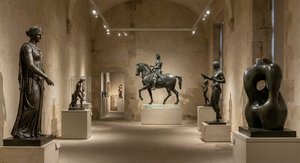
The architectural experience of the Gipsoteca is as much a masterpiece as the sculptures it houses, presenting a stunning dialogue between historical reverence and modern innovation. This feat was achieved through the visionary intervention of Carlo Scarpa , who in the mid-20th century reimagined Canova’s original structural intentions. By weaving contemporary design principles into the existing fabric of the basilica, Scarpa created an environment where shadows dance across white plaster surfaces, emphasizing the three-dimensionality of the works. His use of soaring ceilings and carefully orchestrated natural light creates an atmosphere of serene grandeur, ensuring that the architecture does not merely contain the art but actively participates in its emotional delivery.
Beyond its permanent treasures, the Gipsoteca continues to pulse with contemporary relevance through significant cultural dialogues and international exhibitions. The museum has famously hosted poignant collaborations, such as the exhibition of Canova’s George Washington , which bridged the gap between European sculptural heritage and American historical iconography. This spirit of exploration makes the Gipsoteca a singular destination for interior designers seeking inspiration in classical proportions and for scholars eager to study the transformative power of the artistic process. It remains a place where history is not static, but a living, breathing narrative of human aspiration and the eternal pursuit of perfection.