
A Sanctuary of Hispanic Brilliance in the Heart of Castres
Nestled within the tranquil, picturesque landscape of Castres, France, lies a cultural treasure that defies geographical expectations: The Goya Museum. This singular institution serves as a profound bridge between nations, dedicated to preserving and celebrating the vibrant tapestry of Spanish artistic heritage far beyond the borders of the Iberian Peninsula. To step into this museum is to embark on an immersive journey through centuries of creativity, where the shadows of the past meet the expressive freedom of the modern era. Established in 1840 with a noble ambition to showcase Hispanic art to a wider European audience, the museum has evolved into a beacon for scholars and enthusiasts alike, offering a curated experience that transcends mere observation.
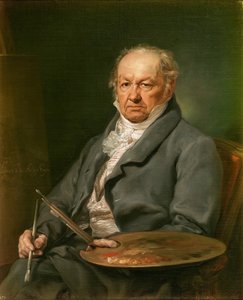
The museum’s soul is inextricably linked to the monumental legacy of Francisco Goya. As one of the most influential figures in Western art history—often hailed as both the last of the Old Masters and the first of the moderns—Goya’s presence permeates the collection. Visitors can stand before his sweeping masterpieces, such as the monumental The Junta of the Philippines, or find themselves captivated by the intimate psychological depth of portraits like Self-Portrait with Spectacles. Yet, the museum’s narrative extends far beyond a single name; it is a rich mosaic featuring the luminous works of Diego Velázquez, the ethereal touch of Bartolomé Esteban Murillo, and the dramatic intensity of El Greco. This vast assemblage of over 5,000 pieces allows for a breathtaking exploration of how Spanish art responded to the socio-political currents of its time, from the Enlightenment to the profound human dramas of war.
Architectural Grandeur and Historical Resonance
The setting of the collection is as much a masterpiece as the canvases it houses. The museum resides within the Palace of the Bishops of Castres, an architectural marvel that embodies the opulent splendor of the French Baroque style. Conceived by the legendary Jules Hardouin-Mansart—the very architect responsible for the grandeur of Versailles—the palace stands as a testament to 17th-century prestige. Built in 1675, the structure provides a majestic backdrop where art and architecture exist in perfect harmony. This sense of grandeur is further extended to the surrounding landscapes, which were inspired by the meticulous hand of André Le Nôtre, the master of French formal gardens. For the art lover or interior designer, the museum offers a profound lesson in how space, light, and historical context can elevate the viewing experience of fine art.
The history of the institution is one of continuous revitalization and dedication. While its roots trace back to the mid-19th century, it was in 1947 that the museum formally solidified its specialized focus on Hispanic art, a mission that has only deepened with time. A recent, breathtaking renovation completed in April 2023 has transformed the museum into a contemporary marvel, featuring 23 meticulously curated rooms spanning 1,500 square meters. This modernization includes the integration of an exhibition hall within the former abbey of Les Cèdres, blending monastic serenity with cutting-edge curation. Through recent exhibitions exploring the influence of Mannerism and the role of decorative arts in aristocratic life, the museum continues to prove itself a dynamic space where history is not just preserved, but actively reinterpreted for the modern eye.
What truly distinguishes The Goya Museum from other global institutions is its unparalleled concentration of Spanish art outside of Spain. It offers more than a mere gallery visit; it provides an intimate encounter with the Spanish soul. For collectors and decorators seeking inspiration, the museum serves as a masterclass in the evolution of style, texture, and emotion. It remains a testament to the enduring power of art to foster cultural appreciation and to connect the diverse threads of human history through the shared language of beauty and tragedy.