Kaldor Public Art Projects: Pioneering Site-Specific Engagement
Established in 1969, Kaldor Public Art Projects stands as a beacon of innovation within Australia’s artistic landscape. Founded by John Kaldor, a visionary collector and philanthropist, this organization has fundamentally reshaped the dialogue between art and public space, fostering a profound appreciation for contemporary creativity.
From its inception with Christo and Jeanne-Claude's monumental *Wrapped Coast* – arguably the largest single artwork undertaken at that time – Kaldor Public Art Projects has championed collaborations with globally recognized artists. These projects aren’t merely displays of art; they are immersive experiences designed to provoke contemplation and transform urban environments into vibrant canvases for artistic expression.
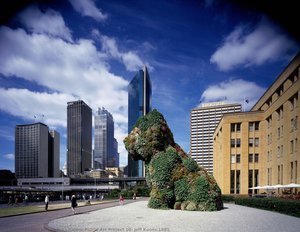
- Notable Collaborations: The organization's roster includes luminaries like Christo, Jeff Koons, Gilbert & George, Marina Abramović, Sol LeWitt, Richard Long, Robert Rauschenberg, Ugo Rondinone and Bill Viola. Each artist brings a distinctive perspective to the exploration of materiality, form, and conceptual ideas.
- Site-Specificity: Kaldor’s core ethos revolves around site-specificity—the belief that art derives its potency from responding directly to its surroundings. Installations at locations such as Cockatoo Island, Old Melbourne Gaol, and Sydney Park Brickworks exemplify this approach, creating dialogues between artistic vision and architectural context.
- Educational Impact: Recognizing the importance of fostering engagement with contemporary art among younger generations, Kaldor Public Art Projects initiated MOVE—a groundbreaking video art resource program for Australian schools—significantly elevating educational standards in visual arts education.
Architectural Resonance: Spaces Designed to Inspire Dialogue
The organization’s architectural choices are deliberate, mirroring its artistic mission. The SANAA-designed Naala Badu building at the Art Gallery of New South Wales serves as a testament to Kaldor's commitment to creating environments that amplify the impact of artworks. These spaces aren’t simply containers for art; they actively contribute to shaping perceptions and fostering communal reflection.
Consider the meticulous consideration given to natural light—essential for showcasing the textures and colors of sculptural installations—and the thoughtful arrangement of viewing areas designed to encourage interaction between visitors and the artwork itself. These elements underscore Kaldor’s conviction that art flourishes when it engages with its environment in a meaningful way.
A Legacy of Artistic Vision
John Kaldor's unwavering passion for contemporary art has propelled Kaldor Public Art Projects into a position of leadership within Australia’s cultural sector. His foresight extended beyond commissioning groundbreaking projects; he established the organization as a catalyst for educational advancement and championed initiatives aimed at broadening access to artistic experiences.
The donation of his extensive collection—valued at A$35 million—to the Art Gallery of New South Wales solidified Kaldor’s legacy, enriching Australia's cultural heritage and inspiring future generations of artists and curators. It stands as a powerful reminder that art possesses the capacity to transform communities and elevate human understanding.
Featured Exhibitions: Transforming Urban Spaces
- Thomas Demand: The Object Lesson – Presented at the Art Gallery of New South Wales, this exhibition showcases Demand’s meticulous photographic explorations of architectural spaces, prompting viewers to consider how art can illuminate the everyday.
- Sol LeWitt's Installations – Exhibitions featuring Sol LeWitt’s geometric artworks—particularly those presented at the Museum of Contemporary Art Australia—demonstrate Kaldor’s dedication to presenting challenging and intellectually stimulating artistic propositions.
Kaldor Public Art Projects continues to champion innovation, fostering collaborations between artists and institutions while upholding its core mission: to elevate public engagement with contemporary art and to transform urban spaces into vibrant arenas for creative dialogue.