A Symphony of Ink and Modernity: The Legacy of Lee Ungno
In the heart of Daejeon’s cultural landscape, the Lee Ungno Museum stands as a profound testament to the transformative power of artistic vision. Established in 2007, this institution was born from a deep-seated desire to honor the extraordinary life and creative spirit of Yi Eungro—known globally as Lee Ungno (1904-1989). To step into this museum is to enter a space where the ancient traditions of Korean calligraphy meet the electric energy of European abstract expressionism. The collection serves as a bridge between eras, offering a rare glimpse into the soul of a man who successfully synthesized the meditative weight of Eastern ink wash painting with the bold, experimental frontiers of Western modernism.
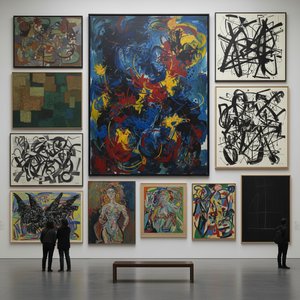
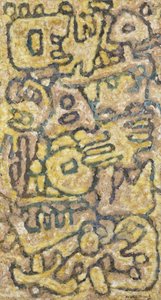
The museum’s collection is a captivating journey through a lifetime of stylistic evolution and personal resilience. Visitors are often first drawn to the Abstract Letter Series, perhaps Ungno’s most iconic contribution to the art world. In these works, the artist masterfully manipulates calligraphic forms, stripping them of literal meaning to reveal a rhythmic, dynamic interplay of line and space that resonates with contemporary sensibilities. Beyond the abstract, the museum holds deeply moving Prison Paintings, created during periods of incarceration. These pieces transcend mere historical documentation; they are visceral expressions of human endurance, where the themes of confinement and liberation are etched into every brushstroke, proving that even in the darkest moments, art can serve as a vessel for unwavering conviction.
For those who appreciate the tactile and the experimental, the museum’s exploration of Collage Works offers a window into Ungno’s transformative years in Paris during the 1960s. Here, his willingness to challenge convention is on full display as he embraced mixed media to redefine the boundaries of Korean modernism. This spirit of innovation is further reflected in his early modernist works, which lay the foundational stones for Korea's emergence onto the international stage. Each piece in the museum acts as a vital thread in a larger tapestry, illustrating how Ungno’s formative years and his later Parisian sojourns converged to create a singular, inimitable aesthetic that continues to inspire collectors and designers alike.
The architectural experience of the Lee Ungno Museum is as much a part of the art as the paintings themselves. Designed by the renowned French architect Laurent Beaudouin in close collaboration with the artist himself, the building is a masterpiece of structural harmony. It embodies the very philosophy of Ungno’s work: the seamless integration of disparate cultural traditions. The museum's fluid lines and expansive windows create an atmosphere of openness and tranquility, allowing natural light to dance across the textured surfaces of the canvases. This architectural synergy ensures that the space does not merely house art but actively participates in its dialogue, making it a sanctuary for contemplation.
What truly distinguishes the Lee Ungno Museum is its commitment to presenting a comprehensive narrative of an artist's entire trajectory. It is not simply a repository of finished masterpieces but a living archive of experimentation and cultural exchange. Through immersive exhibitions and educational initiatives that delve into the nuances of Korean art history, the museum fosters a deep intellectual curiosity. For the art lover, it offers a profound connection to the roots of modernism; for the interior designer, it provides a source of timeless inspiration drawn from the balance of grace and energy; and for the scholar, it remains a beacon of excellence in the preservation of a global artistic legacy.