A Normandy Treasure: The Luminous Legacy of Musée des Beaux-Arts de Rouen
Nestled in the historic heart of Rouen, a city where the whispers of medieval history meet the vibrant pulse of modern French culture, lies the Musée des Beaux-Arts de Rouen. This cultural beacon, established in 1801 by the decree of Napoleon Bonaparte himself, is far more than a mere repository for historical artifacts; it is a living chronicle of human creativity that has illuminated the Norman landscape for over two centuries. The museum’s very existence speaks to a profound commitment to preserving artistic heritage, born from the revolutionary fervor that reshaped France and democratized access to beauty. As visitors step through its doors, they enter a sanctuary where time seems to decelerate, allowing for a deep, contemplative dialogue with the masters of the past.
The museum’s architectural setting is an art form in itself. Housed in an elegant edifice designed by Louis Sauvageot and completed in 1888, the building stands as a refined statement of late 19th-century grandeur. Its harmonious lines and sophisticated details provide a stately backdrop for the treasures within, creating an atmosphere of quiet dignity. Situated peacefully opposite the tranquil Square Verdrel, the museum offers a respite from the bustling city streets, inviting art lovers and interior designers alike to find inspiration in its balanced proportions and classical grace. The 1994 renovation skillfully married modern visitor comforts with a deep respect for the building’s historical character, ensuring that the architecture remains a seamless extension of the collection it protects.
To wander through the halls of the Musée des Beaux-Arts is to embark on a chronological odyssey through the soul of European art. The journey begins with the opulent grandeur of the Italian Renaissance, where canvases by Jacopo Bassano and Veronese capture the theatricality and humanist ideals of papal Rome through breathtaking detail and rich, saturated palettes. This sense of drama intensifies as one moves into the Dutch Golden Age, where the masterful use of chiaroscuro—the interplay of light and shadow—is epitomized by the works of Caravaggio, while the portraits of Van Dyck offer a window into aristocratic elegance and psychological depth. The collection further surges with the kinetic energy of Rubens’ monumental Baroque compositions and the passionate, exotic visions of Delacroix, whose Romanticism prioritizes raw emotion and the sublime power of nature.
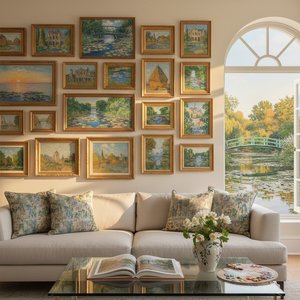
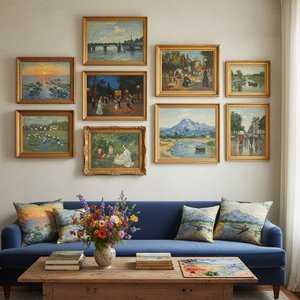
However, it is within the realm of Impressionism that the museum truly finds its most radiant expression. Boasting France’s largest display of Impressionist art outside of Paris, thanks to the generous Depeaux family donation, the museum serves as a pilgrimage site for those seeking the ephemeral magic of light. The centerpiece of this collection is undoubtedly Claude Monet’s monumental series depicting the Rouen Cathedral. These paintings are not merely depictions of stone and mortar; they are symphonies of atmosphere, capturing the cathedral's façade as it transforms under the shifting moods of dawn, midday, and dusk. Alongside Monet’s shimmering landscapes, one finds the rhythmic street life of Rouen captured by Pissarro and the evocative, soulful explorations of Gauguin, making the museum a definitive destination for anyone captivated by the fleeting beauty of the natural world.
Beyond the celebrated canvases, the Musée des Beaux-Arts de Rouen offers a rich tapestry of diverse cultural encounters. The museum’s significant sculpture collection, including the enigmatic traces of works by Pierre Paul Puget, provides a tactile dimension to the artistic experience. Furthermore, the presence of remarkable Russian icons dating from the 15th to the 19th centuries introduces a spiritual and symbolic depth that contrasts beautifully with the Western European traditions on display. Through its ongoing program of temporary exhibitions, the museum continues to foster a vital dialogue between historical narratives and contemporary perspectives, ensuring that it remains an essential destination for collectors seeking timeless beauty and thinkers seeking new ways to see the world.