Palazzo Pamphilj: A Baroque Jewel Embracing Roman Legacy
The Palazzo Pamphilj stands as a magnificent testament to Baroque Rome, not merely a building but a crystallized ambition of a family who ascended to papal power and sought to immortalize their legacy in stone and art. Facing the vibrant energy of Piazza Navona, its walls whisper tales of political maneuvering, religious authority, and an unwavering dedication to artistic patronage—a history as opulent as it is captivating. Constructed between 1644 and 1650 under Pope Innocent X, the palace wasn’t simply a residence; it was a deliberate statement – a physical manifestation of the Pamphilj family's newfound prestige and influence. The very act of building, expanding upon existing structures and commissioning leading architects like Girolamo Rainaldi, speaks to a desire for grandeur that permeates every corner of this remarkable space.
-
Architectural Marvel:
Designed by Girolamo Rainaldi, the palazzo embodies Baroque principles with its monumental façade adorned in travertine stone and punctuated by graceful Serliana windows—a deliberate contrast to the austere architectural style prevalent at the time. Its courtyards offer tranquil retreats from the bustling Piazza Navona, reflecting the Pamphilj family’s desire for refined elegance.
-
A Family Affair:
The palazzo's history is inextricably linked to Olimpia Maidalchini, Innocent X’s sister-in-law, whose shrewd management oversaw the construction and who wielded considerable power within its walls – a fascinating figure often shrouded in both admiration and scandal. Her influence extended beyond mere patronage, shaping papal policy and securing vital alliances for Rome.
-
The Galleria Doria Pamphilj:
At the heart of Palazzo Pamphilj lies the Galleria Doria Pamphilj—a treasure trove housing an extraordinary collection amassed over centuries by Prince Camillo Pamphilj II. This gallery is renowned for its unparalleled concentration of Baroque masterpieces, attracting visitors from across the globe.
A Gallery of Masters: Velázquez, Caravaggio, and Cortona
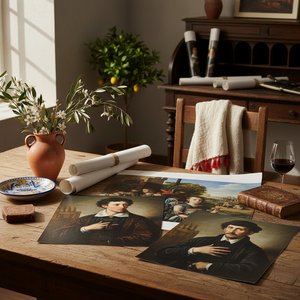
Stepping inside Palazzo Pamphilj is akin to entering a private museum curated by connoisseurs. The Galleria Doria Pamphilj, housed within the palace, boasts an extraordinary collection amassed over centuries. Perhaps most celebrated are the works by Diego Velázquez, brought back as spoils of war after the Thirty Years’ War. These portraits aren't merely depictions of individuals; they are psychological studies rendered with breathtaking realism and a masterful command of light and shadow—a technique perfected by Velázquez himself. Equally compelling is the presence of Caravaggio, whose dramatic canvases inject an intense emotionality into the palace interiors. His revolutionary use of *tenebrism* – stark contrasts between light and dark – creates scenes that feel both immediate and profoundly spiritual. But the artistic brilliance doesn’t end there. The Gallery's crowning glory is undoubtedly Pietro da Cortona’s magnificent fresco cycle adorning the vaulted ceiling—a dazzling display of illusionistic painting and allegorical storytelling, subtly linking the Pamphilj family to the noble lineage of Roman history. The long, low vault presented Cortona with unique challenges, requiring him to devise a composition that could be appreciated from multiple viewpoints – a testament to his ingenuity.
-
Velázquez’s Psychological Portraits:
Admire Velázquez's masterful portrayal of Pope Innocent X and Cardinal Scipione Borghese—capturing not just their physical likeness but also conveying their inner character with remarkable sensitivity.
-
Caravaggio’s Dramatic Light & Shadow:
Immerse yourself in Caravaggio’s emotionally charged canvases, including “Saint Jerome in His Study” and “The Martyrdom of Saint Peter”—experiencing the visceral impact of his tenebristic style.
-
Cortona's Mythological Narrative:
Marvel at Cortona’s fresco cycle depicting scenes from Virgil’s *Aeneas*, showcasing his unparalleled skill in creating illusionistic space and conveying complex narratives with visual splendor.
Notable Exhibitions:
Palazzo Pamphilj regularly hosts exhibitions exploring diverse artistic themes—from Baroque sculpture to contemporary art installations—providing visitors with fresh perspectives on Roman heritage and fostering dialogue between past and present. Recent shows have focused on Caravaggio’s influence on European painting and celebrated the Galleria's contribution to preserving and promoting Italian art history.
What Makes Palazzo Pamphilj Unique:
Beyond its breathtaking collection of Baroque masterpieces, Palazzo Pamphilj distinguishes itself as a living testament to papal patronage—a symbol of Rome’s artistic flourishing during the seventeenth century. Its enduring presence in Piazza Navona serves as a reminder of the city's rich cultural legacy and continues to inspire artists and scholars alike. The palazzo’s rooftop terrace offers panoramic views of Rome, hosting concerts and events that enrich the visitor experience and solidify Palazzo Pamphilj’s position as one of Rome’s most treasured landmarks.