

A Royal Legacy: Unveiling the Soul of Spain at the Prado
Step into the Museo Nacional del Prado, and you are not merely entering a museum; you are stepping back in time, immersing yourself within the very heart of Spanish identity. This magnificent palace-turned-art haven, nestled in the vibrant capital city of Madrid, stands as a testament to centuries of royal patronage, artistic innovation, and an unwavering celebration of Spain’s unique visual voice. More than just a repository of masterpieces, the Prado is a living tapestry woven with threads of history, ambition, and the enduring spirit of its creators—a place where brushstrokes whisper tales of conquest, faith, passion, and profound human experience. The story begins in the late 18th century, when King Charles III, recognizing Spain’s artistic potential, commissioned architect Juan de Villanueva to transform a grand palace into a royal collection. This was a deliberate act of national pride, a conscious effort to define and showcase Spain’s distinctive cultural identity on the European stage.
The building itself is an integral part of the Prado experience. Designed by Villanueva in a neoclassical style, it stands as a deliberate counterpoint to the exuberant Baroque palaces that characterized Madrid’s skyline. The symmetrical façade, with its imposing Doric columns and subtle ornamentation, reflects the Enlightenment ideals of order, reason, and harmony. As visitors move through the museum, they are guided through a chronological journey through Spanish art history, culminating in the grand Salón del Reino—a vast hall originally intended for royal audiences. This room, now housing works by Goya and other masters, offers a breathtaking view of the palace’s interior and provides a sense of the museum's historical significance, reminding every observer that they are walking through a space once graced by monarchs.
Masterpieces of Light, Shadow, and Human Emotion
The Prado's collection is dominated by its extraordinary holdings of Spanish art, yet it transcends national borders to offer an astonishing array of works spanning diverse periods and styles. Begin your journey with Diego Velázquez’s Las Meninas (The Maunt of Honour), arguably the museum’s most celebrated work. More than a portrait, it is an intricate exploration of perception, illusion, and the act of seeing itself—a masterful manipulation of light and shadow, or chiaroscuro , that blurs the boundaries between observer and observed. Velázquez's subtle meta-commentary on the creative process, with himself depicted within the painting, adds layers of complexity and intrigue, prompting endless debate about its meaning and technique.
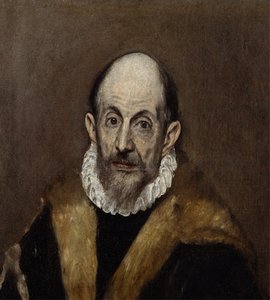
Following the trail of Spanish genius, one encounters the monumental contributions of Francisco Goya. His early works explore themes of desire and identity with exquisite sensitivity, but his later paintings reveal a much darker side of the human condition. Works such as Saturn Devouring His Son and The Third of May 1808 powerfully depict war, suffering, and political injustice, forcing us to confront uncomfortable truths about humanity through unflinching honesty and social critique. This emotional intensity is echoed in the works of El Greco, whose elongated figures and dramatic use of color infuse religious scenes with an otherworldly intensity, transporting viewers to realms beyond the earthly.
A Universal Dialogue of European Art
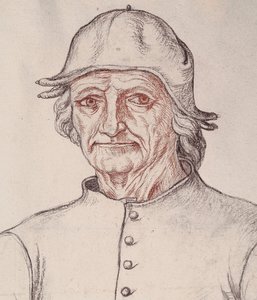
Beyond its Spanish titans, the Prado boasts a remarkable collection of European art amassed over centuries through royal acquisitions and generous donations. Treasures from across the continent find their home within these walls, creating a profound dialogue between artistic traditions. You will encounter the delicate beauty of Titian, the grace of Raphael, the dynamism of Rubens, and the surreal nightmares of Bosch. This breadth makes the Prado not merely a Spanish museum, but a celebration of European artistic achievement as a whole. For the art lover or the interior designer seeking inspiration, the collection offers an inexhaustible source of aesthetic wonder, from the Rococo charm of Luis Paret y Alcázar’s Zebra to the dramatic Renaissance narratives found in the details of Botticelli.
Today, the Museo Nacional del Prado remains a dynamic institution. It is not a static repository but a living entity that engages with contemporary audiences through regular temporary exhibitions and digital innovations. Whether through virtual tours or interactive exhibits, the museum extends its reach far beyond Madrid’s walls. It continues to serve as a vital cultural landmark where the soul of Spain is vividly brought to life, inviting collectors and dreamers alike to witness the enduring power of the human imagination.