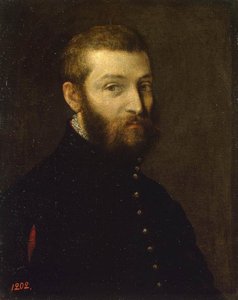
San Pantalon: A Venetian Baroque Revelation
Nestled within Venice’s labyrinthine Dorsoduro sestiere lies San Pantalon, a church that transcends mere religious observance; it embodies an unparalleled artistic achievement—a testament to Venetian Baroque grandeur and the enduring legacy of Paolo Veronese. More than just a building adorned with frescoes, San Pantalon is a portal into a pivotal moment in Venetian art history, offering visitors an immersive experience unlike any other.
The Frescoes: A Symphony of Color and Narrative
At the heart of San Pantalon’s allure resides its monumental ceiling fresco cycle by Gian Antonio Fumiani—a breathtaking panorama depicting *The Martyrdom and Apotheosis of Saint Pantaleon*. Completed between 1680 and 1704, this ambitious undertaking represents a cornerstone of Bolognese quadratura, a technique pioneered by Domenico degli Ambrogi. Fumiani’s masterful manipulation of perspective and illusion creates an astonishing visual effect—a space that feels larger than it is, brimming with dramatic movement and vibrant color. As John Ruskin famously noted, the fresco embodies “the vulgar dramatic effects of painting,” yet its sheer scale and emotive power continue to captivate audiences centuries later. The depiction of Saint Pantaleon’s martyrdom – his unjust death sentence by Galerius Maximianus—is interwoven with scenes celebrating his ascension into heaven, illuminated by angelic choirs and bathed in ethereal light. This narrative complexity reflects the Baroque preoccupation with conveying profound theological truths through theatrical spectacle.
Veronese's Masterpiece: A Touch of Venetian Genius
San Pantalon’s significance is further amplified by its housing of a masterpiece attributed to Paolo Veronese—*St Pantalon Healing a Boy*. Originally commissioned for the high altar, this monumental painting exemplifies Veronese’s signature style: opulent drapery, idealized figures, and masterful use of color. The scene portrays Saint Pantaleon miraculously curing a young boy afflicted with epilepsy, capturing a moment of divine compassion amidst elaborate architectural settings. This artwork underscores Veronese's role as Venice’s foremost painter during the Baroque period—a figure who elevated Venetian art to unparalleled heights of artistic sophistication.
Architectural Elegance and Historical Context
The church itself stands as an exemplar of Venetian Baroque architecture, constructed between 1668 and 1686 by Francesco Comino. Its orientation was deliberately rotated to face Campo San Pantalon—previously overlooked by the lagoon—creating a dramatic visual impact that reflects the grandeur of the era. The building’s interior is characterized by its spacious nave, adorned with classical architectural elements—columns and arches—that contribute to its solemn atmosphere. Furthermore, San Pantalon holds an important place in Venetian history as a site of artistic patronage and religious devotion. Its preservation of traditional Venetian art forms speaks volumes about Venice's cultural heritage.
A Hidden Gem Worth Exploring
San Pantalon distinguishes itself from other Venetian churches by safeguarding one of the most impressive—yet lesser-known—masterpieces of Baroque painting. Visitors are transported back in time as they gaze upon Fumiani’s fresco and contemplate Veronese’s monumental depiction, experiencing firsthand the artistic fervor that defined Venice during its golden age. Its serene ambiance and captivating artwork make San Pantalon an unforgettable destination for art enthusiasts and history buffs alike—a place where beauty and spirituality converge to inspire awe and wonder.