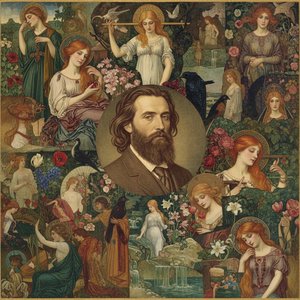
A Tapestry of Domesticity: The Soul of the Museum of the Home
Nestled within the historic fabric of Hoxton, London, stands an institution that transcends the traditional boundaries of a museum. The Museum of the Home, formerly known as The Geffrye, does not merely display objects; it curates the very essence of human existence. To step across its threshold is to leave the frantic pace of modern London behind and enter a sanctuary where the walls themselves whisper tales of centuries past. Housed in a magnificent Grade I-listed complex of 18th-century almshouses, the museum offers a profound exploration of how we live, how we have lived, and how our environments shape our deepest identities. It is a place where the distinction between history and lived experience dissolves, inviting art lovers and historians alike to feel the emotional resonance of the domestic sphere.
The architecture of the museum serves as a silent protagonist in its narrative. The foundations of the site date back to 1714, established through the legacy of Sir Robert Geffrye. While the museum bravely confronts the complex and often painful colonial histories tied to its founder, it simultaneously celebrates the architectural triumph of the almshouses. These structures, once intended as a charitable haven for the widows of ironmongers, have been transformed into a dynamic cultural hub. Following an extensive refurbishment in 2021, the museum has expanded its reach, offering more exhibition space and public areas that blend the historic weight of the stone buildings with contemporary, light-filled galleries. This seamless marriage of old and new provides a breathtaking backdrop for a collection that spans from the 1600s to the present day.
The Art of Living: Period Rooms and Material Culture
For the interior designer and the lover of fine craftsmanship, the museum’s true magic lies in its meticulously reconstructed period rooms. These are not static, sterile displays but immersive environments that breathe with the ghosts of former inhabitants. One might find themselves wandering through a 17th-century kitchen, where the imagined scent of woodsmoke and simmering stews lingers in the air, before transitioning into the bright, optimistic aesthetics of a post-war living room. Each room is a masterclass in the evolution of taste, showcasing how textiles, furniture, and even the arrangement of light have shifted alongside societal changes. The collection highlights the beauty found in the everyday—the intricate carvings of a regional English chair, the delicate patterns of period upholstery, and the functional elegance of household tools that once anchored a family's daily rhythm.
This focus on the material culture of the home allows for a unique dialogue between art and utility. The museum explores how innovations have acted as domestic game changers, reshaping our relationship with technology and comfort. Current exhibitions, such as those exploring contemporary interpretations of 'home' through the prints of Uzo Egonu, bridge the gap between historical artifact and modern artistic expression. It is this ability to connect the tangible objects of the past with the psychological and emotional landscapes of the present that makes the museum a singular destination. Here, a chair is never just a piece of furniture; it is a vessel for memory, a symbol of status, and a testament to the hands that crafted it.
Gardens, Community, and the Infinite Horizon
Beyond the curated interiors, the Museum of the Home extends its narrative into the verdant landscapes of its gardens. These spaces serve as a living chronicle of British urban horticulture, charting how city dwellers have sought to cultivate nature within the constraints of an urban environment throughout the centuries. Walking through these gardens offers a moment of quiet reflection, providing a lush, green counterpoint to the dense history contained within the galleries. It is a space where the concept of 'home' expands to include the community and the natural world, emphasizing that our domestic lives are inextricably linked to the earth and the neighbors we share it with.
What truly distinguishes this institution is its commitment to inclusivity and the democratization of history. By offering free admission, the museum ensures that these stories of human resilience, creativity, and change are accessible to all. It remains a place of continuous learning and reimagining, where programs like the Voyage Youth program foster new connections with the next generation. For the collector seeking inspiration or the wanderer seeking solace, The Museum of the Home offers more than just a glimpse into the past; it provides a mirror in which we might better understand our own place within the ongoing tapestry of human life.