A Beacon of Art and Culture on Canada’s West Coast
The Vancouver Art Gallery stands as a testament to the vibrant artistic spirit of Western Canada, a cultural landmark deeply woven into the fabric of British Columbia's identity. More than just a repository for masterpieces, it is a dynamic space where history and contemporary innovation converge, offering visitors an immersive journey through the diverse landscape of Canadian and international art. Established in 1931, the Gallery’s evolution mirrors the growth of Vancouver itself – from modest beginnings to its current stature as the largest art museum in Western Canada. Its very location speaks volumes; housed within a magnificent building that once served as a provincial courthouse, the architecture itself is a captivating blend of historical grandeur and modern adaptation. Originally designed by Francis Rattenbury in neoclassical style, renovations in the mid-20th century introduced elements of the International Style, creating a unique architectural dialogue between eras. This physical space isn’t merely a container for art; it actively participates in the experience, enhancing the emotional resonance of each exhibited work.
The Heart of British Columbia's Artistic Heritage
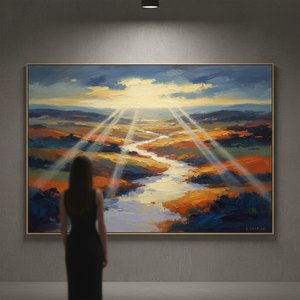
At the core of the Vancouver Art Gallery’s collection lies an unparalleled dedication to showcasing the artistic legacy of British Columbia. No artist embodies this commitment more profoundly than Emily Carr. The Gallery boasts a significant and deeply moving collection of her paintings, sketches, ceramics, photographs, and personal correspondence. To encounter Carr's work is to connect with the soul of the province – her bold colors and expressive brushstrokes capture the raw beauty and spiritual power of the landscape, often infused with the influence of local Indigenous cultures. Beyond Carr, the Gallery’s holdings encompass a comprehensive panorama of Canadian art from various periods. Historical landscapes evoke a sense of national identity, while works by contemporary luminaries like Jeff Wall, Stan Douglas, Rodney Graham, Roy Arden, and Ian Wallace push boundaries and challenge perceptions. These artists represent a distinctly Canadian voice on the global stage, exploring themes of memory, representation, and social commentary with remarkable depth and nuance.
A Global Perspective: Photography and Beyond
The Vancouver Art Gallery’s reach extends far beyond national borders, evidenced by its internationally acclaimed photography collection. Ranked among North America's most important, this assemblage features iconic images from masters such as Ansel Adams, Cindy Sherman, and Henri Cartier-Bresson. These photographs are not simply records of reality; they are powerful works of art that invite contemplation on the nature of perception, identity, and the human condition. The Gallery’s commitment to international scope is further demonstrated through its rotating exhibitions, which consistently bring groundbreaking work by leading contemporary artists from diverse disciplines to Vancouver's discerning audience. From painting and sculpture to installation and new media, the VAG embraces a wide spectrum of artistic expression, fostering dialogue between art and life.
Architectural Significance: Rattenbury’s Legacy
The Gallery’s building itself is an integral part of its story. Designed by Francis Rattenbury in 1931, it initially served as Vancouver’s provincial courthouse—a testament to the city's ambition during that era. However, recognizing the importance of fostering artistic engagement, the courthouse was repurposed into a museum, resulting in a fascinating juxtaposition between classical architectural principles and modernist design sensibilities. Renovations undertaken in the mid-20th century incorporated elements of the International Style, spearheaded by Geoffrey Clarke, creating a harmonious blend of styles that continues to inspire visitors today. The building’s soaring ceilings and expansive windows flood the galleries with natural light, enhancing the visual impact of the artworks displayed within.
Community Engagement & Future Vision
More than just an exhibition space, Vancouver Art Gallery actively cultivates connections between art and its surrounding community. Initiatives like FUSE – described as “an art museum-slash-nightclub” – exemplify this spirit of experimentation and collaboration, attracting a young audience eager to engage with artistic ideas in unconventional ways. Educational programs targeting schoolchildren and families underscore the Gallery’s dedication to nurturing future generations of art enthusiasts and fostering creativity across all ages. Despite facing funding challenges, Vancouver Art Gallery remains steadfast in its vision for expansion and continued growth—a commitment to broadening access to art and enriching cultural life on Canada's West Coast.