x

 Comprar impresión Comprar imagen en alta resolución
 Enviar
 Detalles
 Añadir a favoritos
 Descargar
 Similares
 Radiografía
 Presentación de diapositivas
Óleo sobre lienzo pintado a mano en el tamaño y marco de su elección, realizado por encargo por nuestros artistas.
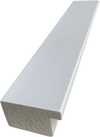
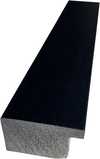
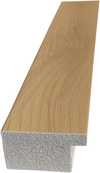

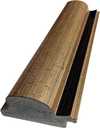

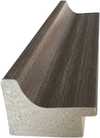
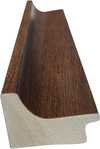
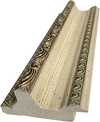

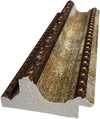
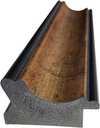
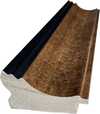



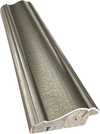


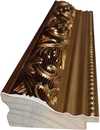
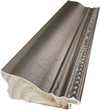

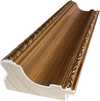
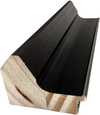



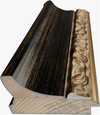

Elija entre nuestros tamaños predefinidos que respetan las proporciones originales de la obra.

Puede ingresar sus propias dimensiones para adaptarse a un marco o espacio específico. Si el tamaño seleccionado no coincide con las proporciones de la imagen original, recortaremos la obra o extenderemos la pintura con elementos adicionales pintados a mano. Se le enviará una maqueta digital para su aprobación antes de comenzar la producción.
Tenga en cuenta que la vista previa en pantalla no refleja el recorte o la extensión reales. Solo la maqueta mostrará con precisión la composición final.
Si bien existen tamaños personalizados, recomendamos seleccionar una dimensión de la lista predefinida para preservar las proporciones originales.
Entrega mundial () en 3-4 semanas en lugar de las 5 semanas estándar. (16 julio). Sin compromisos con la calidad.


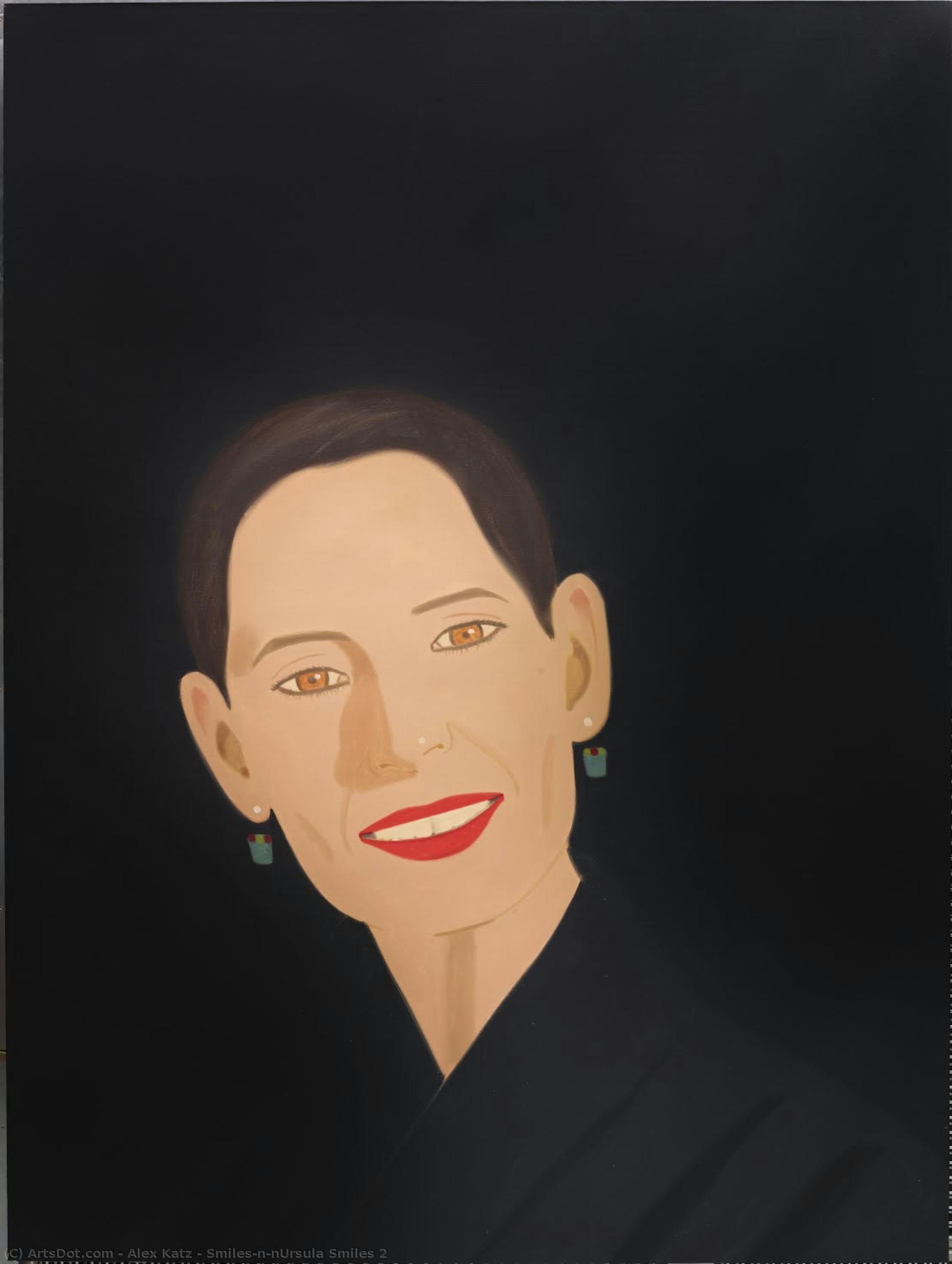
Smiles\n\nUrsula Smiles 2
Tamaño de la reproducción
Alex Katz's 1994 painting, “Smiles,” isn’t a celebration of overt joy; it’s an invitation to contemplate the subtle complexities of human connection. Within its deceptively simple composition – a woman bathed in a stark, neutral background – lies a profound exploration of representation and perception. Katz, known for his deliberate detachment and minimalist approach, eschews narrative or emotional excess, instead focusing on the fundamental act of looking and being seen. The painting’s power resides not in dramatic gesture but in the quiet intensity of the subject's gaze, an invitation to engage with a moment suspended in time.
The work emerged during a period when Katz was actively challenging conventional notions of portraiture. He deliberately distanced himself from the traditional role of capturing a sitter’s personality, opting instead to dissect and reconstruct the image itself. This shift reflects a broader artistic trend – a move away from subjective representation towards a more conceptual engagement with the very act of painting. The stark background serves not as mere backdrop but as an active participant in the composition, amplifying the figure's presence and forcing the viewer to confront her directly.
Katz’s technique is characterized by a remarkable economy of line and color. He employs a distinctive style that prioritizes flatness – a deliberate rejection of illusionistic depth. The canvas itself becomes the primary subject, its surface treated as a carefully constructed plane. This approach, reminiscent of early modernist painters like Giorgio Morandi, creates an immediate sense of immediacy and intimacy. The colors are muted yet vibrant, carefully calibrated to create a harmonious balance within the composition. Katz’s use of oil paint is precise and controlled, resulting in a smooth, almost photographic quality.
The repeated motif of the smile itself holds significant weight within the series. It’s not a boisterous or exuberant expression but rather a subtle, almost melancholic curve of the lips – a suggestion of contentment tempered by an underlying sense of introspection. Katz has described his subjects as “research tools,” using them to explore the fundamental relationship between figure and ground. The women in "Smiles" aren’t simply portraits; they are embodiments of a visual experiment, prompting us to consider how we perceive images and how those perceptions shape our understanding of human experience.
Furthermore, Katz's choice of subjects – often close friends and family members – adds another layer of complexity. These figures represent not just individual identities but also the artist’s own personal relationships and memories. The repetition of this motif across multiple canvases suggests a meditation on time, memory, and the enduring power of human connection.
“Smiles” is more than just a portrait; it's a carefully constructed visual puzzle that invites repeated viewing and contemplation. Its quiet intensity, combined with Katz’s masterful technique, creates an artwork that resonates deeply with the viewer long after the initial encounter. It stands as a testament to the artist’s ability to distill complex emotions into their most essential form – a subtle smile, a neutral background, and a profound exploration of representation itself. Reproductions capture much of this essence, offering a window into Katz's unique vision for those seeking to bring a touch of contemplative beauty into their own spaces.


1927 - , Estados Unidos de América

Comisione un retrato histórico único y personalizado con artistas expertos. Preserve su legado familiar a través de una obra maestra atemporal. ¡Descubra el valor del arte hecho a medida!

Explore the life & work of Reginald Grenville Eves, a leading British portraitist who transitioned to captivating landscape painting. Discover his legacy and prominent works at BuyPopArt.

Explore the rich history of women in art – from archetypal representations to contemporary voices challenging norms. Discover iconic artists & movements, and learn about reclaiming female narratives through painting and beyond.

Descubra el legado del retrato académico: técnica, artistas clave como Dubufe y Roden, e influencia en la historia del arte. Análisis experto y profundo.

Descubre los 10 cuadros más impactantes dominados por el negro marfil. Explora la historia de Rembrandt, Van Gogh y otros maestros del arte clásico y moderno. Encuentra reproducciones de alta calidad para tu hogar en


Manténgase al día con las últimas noticias de arte, ofertas exclusivas e ideas de decoración.
Cuéntanos sobre tu proyecto y nuestros expertos en arte te ofrecerán 3 sugerencias de obras personalizadas.
Permítenos seleccionar 3 opciones solo para ti – ¡Gratis!


 Compartir


 Ver más


 La opción de vidrio solo está disponible en tamaños inferiores a 110 cm.