Impresiones giclée o en lienzo de calidad de museo con producción rápida y opciones de acabado flexibles. ( Encargar reproducción pintada a mano Comprar descarga)





























Elija entre nuestros tamaños predefinidos que respetan las proporciones originales de la obra.

Puede introducir sus propias dimensiones para adaptarse a un marco o espacio específico. Si el tamaño seleccionado no coincide con las proporciones de la imagen original, recortaremos la obra de arte o extenderemos la imagen con un borde con efecto espejo o de color sólido. Se enviará una maqueta digital para su aprobación antes de que comience la producción.
Tenga en cuenta que la vista previa en pantalla no refleja el recorte o la extensión real. Solo la maqueta mostrará con precisión la composición final.
Aunque existen tamaños personalizados, recomendamos seleccionar una dimensión de la lista predefinida para preservar las proporciones originales.
Envío a todo el mundo () en 2 semanas en lugar de las 4/5 semanas estándar. (14 agosto)


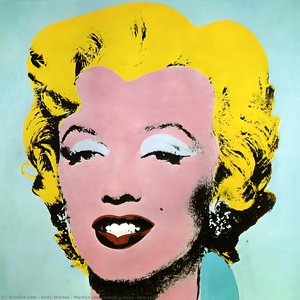
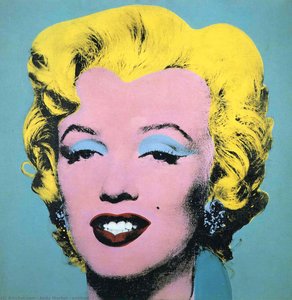
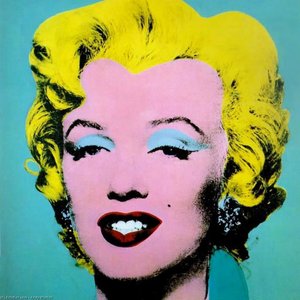
Marilyn Azul
Tamaño de la reproducción
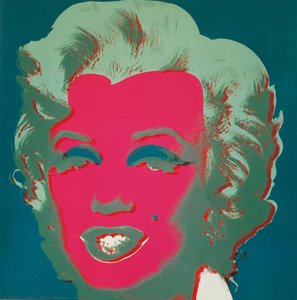
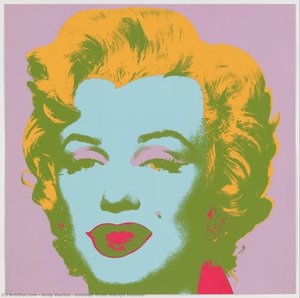
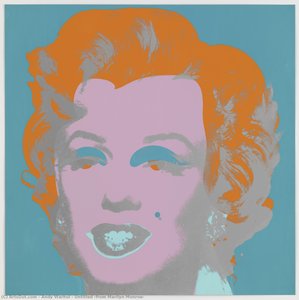
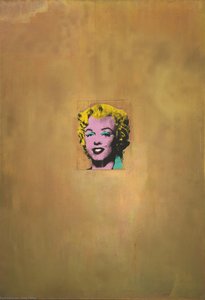
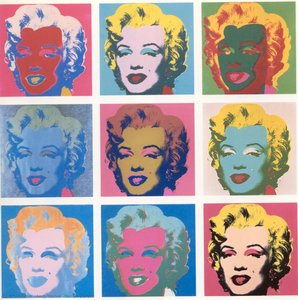
Andy Warhol's ‘Marilyn Blue’ is more than just a portrait; it’s a distillation of 20th-century celebrity, tragedy, and the burgeoning power of Pop Art. Emerging from a series created in the wake of Marilyn Monroe’s untimely death in 1962, this work doesn’t attempt to capture her likeness with traditional reverence. Instead, Warhol employs silkscreen printing – a technique borrowed from commercial advertising – to present a flattened, almost mechanical image of the actress. The vibrant blue background isn't merely aesthetic; it serves as a stark contrast to Monroe’s face, elevating her status to an icon while simultaneously stripping away some of her humanity. The repetition inherent in Warhol’s process—the layering of color and form—mirrors the relentless reproduction of images in mass media, reflecting how Monroe herself was endlessly circulated and consumed by the public.
Born Andrew Warhola Jr. in Pittsburgh in 1928, Warhol’s journey to becoming a leading figure in the art world was unconventional. A childhood illness confined him indoors, fostering an early passion for drawing and creativity. After graduating from Carnegie Institute of Technology, he found success as a commercial illustrator in New York City, honing his skills in visual communication and understanding the persuasive power of imagery. This background profoundly influenced his artistic style. Warhol wasn’t interested in creating unique masterpieces; he wanted to explore the aesthetics of mass production and challenge traditional notions of art. He saw beauty in the commonplace – soup cans, Coca-Cola bottles, and, crucially, celebrity faces. ‘Marilyn Blue’, along with other portraits from this period, exemplifies his fascination with transforming recognizable figures into symbols of consumer culture.
The silkscreen technique itself is central to understanding the artwork’s meaning. Warhol would project a photograph of Monroe onto a silk screen, then use ink to create an image on canvas. This process allowed for repetition and variation, resulting in multiple versions of the same portrait with slight differences in color and texture. In ‘Marilyn Blue’, the bold application of color isn't about achieving realism; it’s about creating impact and emphasizing the artificiality of the image. The presence of additional faces subtly incorporated into the composition adds another layer of complexity, hinting at the multiplicity of identities projected onto celebrities and the blurring lines between public persona and private life. The ‘Shot Marilyns’, a subset of this series—including works damaged by performance artist Dorothy Podber shooting at them with a revolver—further underscore the volatile relationship between fame, vulnerability, and destruction.
Despite its seemingly detached aesthetic, ‘Marilyn Blue’ evokes a powerful emotional response. The image is simultaneously glamorous and melancholic, capturing both the allure and the fragility of Monroe’s persona. Warhol doesn’t offer judgment or commentary; he simply presents an icon for our contemplation. This ambiguity allows viewers to project their own feelings onto the work, creating a deeply personal connection. Today, ‘Marilyn Blue’ remains one of Warhol’s most recognizable and sought-after images, continuing to inspire artists, designers, and collectors alike. Its enduring appeal lies in its ability to capture the spirit of an era—an era defined by celebrity worship, mass media, and a growing sense of alienation—while simultaneously questioning the very nature of art itself.
Andy Warhol’s artistic vision was deeply rooted in the traditions of Western art history. Like Leonardo da Vinci’s Mona Lisa, Warhol sought to distill the essence of his subject into a single image—a feat that would resonate across centuries. Warhol's preoccupation with classical ideals of beauty stemmed from an awareness of the enduring influence of Greek and Roman sculpture on European artistic sensibilities. Artists like Michelangelo and Raphael drew inspiration from these monumental figures, striving to emulate their grandeur and express profound emotion through idealized forms.
Warhol’s technique—silkscreen printing—was itself a deliberate departure from traditional painting methods. Embracing the principles of industrial production, Warhol adopted a process that prioritized repetition over meticulous detail. This approach mirrored the burgeoning consumer culture of the 1960s, where mass-produced images dominated advertising and popular media. Warhol’s silkscreens weren't intended to capture reality but rather to transform it—to distill it into a simplified emblem of its subject.
The blue background in ‘Marilyn Blue’, mirroring the serene hues of Renaissance paintings, serves as more than just a decorative element. It symbolizes contemplation and melancholy—a recognition of Monroe’s tragic fate and Warhol’s own artistic exploration of mortality. Warhol's deliberate choice to depict Marilyn with multiple faces subtly underscores the complexities of identity and the elusive nature of truth.
Just as Michelangelo’s David embodies the humanist ideals of Renaissance Florence, Warhol’s ‘Marilyn Blue’ represents a pivotal moment in art history—a triumph of conceptual art over representational painting. Warhol's enduring influence can be seen in contemporary artists who utilize silkscreen printing and explore themes of celebrity culture and mass media.

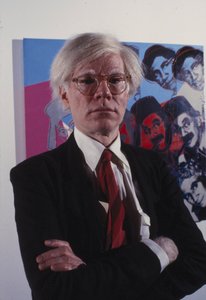
1928 - 1987 , Estados Unidos de América

Discover how the Pop Art revolution and street art vibes are redefining modern interiors. Explore trend forecasts on bold colors, iconic imagery, and high-impact graphic styles to transform your space with unapologetic, culturally-driven aesthetic energy.

Master the art of digital collage. Discover how to remix pop culture icons, glitch aesthetics, and vibrant textures into high-impact Pop Art for modern urban spaces. Elevate your collection with bold, trend-setting visual strategies from the experts in contemporary graphic art.

Level up your space with the ultimate guide to nostalgic Pop & Street Art. Discover how to use bold colors, iconic graphics, and urban aesthetics to create a high-impact, trend-driven interior that celebrates pop culture history.


Manténgase al día con las últimas noticias de arte, ofertas exclusivas e ideas de decoración.
Cuéntanos sobre tu proyecto y nuestros expertos en arte te ofrecerán 3 sugerencias de obras personalizadas.
Dejamos que nosotros seleccionemos 3 opciones exclusivas para ti – ¡Gratis!


 Vista previa
 Compartir
 Compartir
 Ver detalles

 Descargar
 Ver similares
 Radiografía
 Presentación de diapositivas

 Leer más







 La opción de vidrio solo está disponible en tamaños inferiores a 110 cm.