Impresiones giclée o en lienzo de calidad de museo con producción rápida y opciones de acabado flexibles. ( Cambiar a pintura hecha a mano Cambiar a imagen)





























Elija entre nuestros tamaños predefinidos que respetan las proporciones originales de la obra.

Puede introducir sus propias dimensiones para adaptarse a un marco o espacio específico. Si el tamaño seleccionado no coincide con las proporciones de la imagen original, recortaremos la obra de arte o extenderemos la imagen con un borde con efecto espejo o de color sólido. Se enviará una maqueta digital para su aprobación antes de que comience la producción.
Tenga en cuenta que la vista previa en pantalla no refleja el recorte o la extensión real. Solo la maqueta mostrará con precisión la composición final.
Aunque existen tamaños personalizados, recomendamos seleccionar una dimensión de la lista predefinida para preservar las proporciones originales.
Envío a todo el mundo () en 2 semanas en lugar de las 4/5 semanas estándar. (11 agosto)


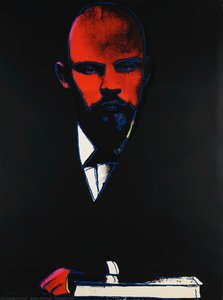
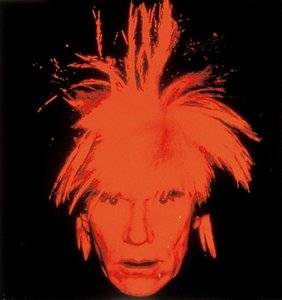
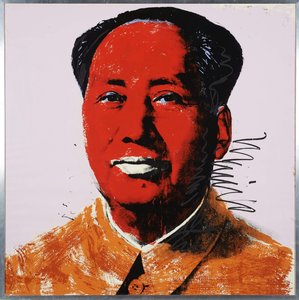
Red Lenin
Tamaño de la reproducción
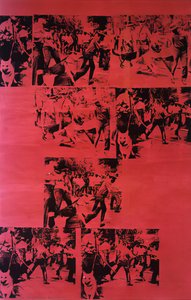
Andy Warhol’s Red Lenin stands as a cornerstone of Pop Art, encapsulating the movement's rebellious spirit and its fascination with elevating everyday imagery into monumental art. Created in 1987, shortly before Warhol’s untimely death, this silkscreen print transcends mere representation; it’s a deliberate provocation—a challenge to traditional artistic conventions and a commentary on the pervasive influence of celebrity culture.
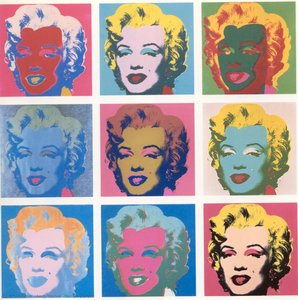
Warhol's approach was revolutionary for its time. Rejecting the emotional depth favored by Abstract Expressionism, he embraced repetition and industrial techniques – specifically screen printing – mirroring the mass production processes that dominated American advertising and consumer culture. This stylistic choice wasn’t accidental; Warhol aimed to dismantle hierarchies between high art and popular culture, arguing that beauty could be found in unexpected places.
Pop Art emerged in the mid-1950s as a reaction against the prevailing artistic trends of postwar America—namely Abstract Expressionism and Surrealism. Artists like Roy Fox Lichtenstein and Warhol sought to engage with popular culture, drawing inspiration from advertising campaigns, comic books, and mass media imagery. They questioned the elitist pretensions of the art world and championed accessibility for all audiences.
“I’ve never met a person I couldn’t call a beauty,” Warhol famously declared in 1975—a sentiment that perfectly embodies his artistic ethos. Unlike many artists of his era who prioritized emotional expression, Warhol focused on capturing the essence of his subjects through stylized representations, mirroring the visual language of commercial art.
Red Lenin’s enduring influence can be seen in its continued presence within contemporary art discourse. Warhol's deliberate use of color—the dominant red—symbolizes revolution and power, mirroring the historical context of Lenin’s leadership during the Russian Civil War.
The painting serves as a potent reminder that art doesn’t necessarily need to convey profound emotion; it can achieve its impact through visual simplicity and strategic repetition. Warhol's legacy extends far beyond his artistic output—he fundamentally reshaped perceptions of creativity and challenged established notions about what constitutes “serious” art.
The Arnot Art Museum showcases Warhol’s masterpieces, offering visitors a chance to experience the transformative power of Pop Art firsthand. Explore their collection at Arnot Art Museum (United States).

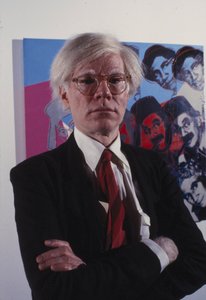
1928 - 1987 , Estados Unidos de América

Level up your space with high-impact lithography and graphic art. From Warhol-inspired pop prints to bold street art aesthetics, discover how to curate a visually powerful collection that defines your personal brand and urban style.

Discover how the Pop Art revolution and street art vibes are redefining modern interiors. Explore trend forecasts on bold colors, iconic imagery, and high-impact graphic styles to transform your space with unapologetic, culturally-driven aesthetic energy.


Manténgase al día con las últimas noticias de arte, ofertas exclusivas e ideas de decoración.
Cuéntanos sobre tu proyecto y nuestros expertos en arte te ofrecerán 3 sugerencias de obras personalizadas.
Dejamos que nosotros seleccionemos 3 opciones exclusivas para ti – ¡Gratis!


 Vista previa
 Compartir
 Compartir
 Ver detalles

 Descargar
 Ver similares
 Radiografía
 Presentación de diapositivas

 Leer más







 La opción de vidrio solo está disponible en tamaños inferiores a 110 cm.