Impresiones giclée o en lienzo de calidad de museo con producción rápida y opciones de acabado flexibles. ( Encargar reproducción pintada a mano Comprar descarga)





























Elija entre nuestros tamaños predefinidos que respetan las proporciones originales de la obra.

Puede introducir sus propias dimensiones para adaptarse a un marco o espacio específico. Si el tamaño seleccionado no coincide con las proporciones de la imagen original, recortaremos la obra de arte o extenderemos la imagen con un borde con efecto espejo o de color sólido. Se enviará una maqueta digital para su aprobación antes de que comience la producción.
Tenga en cuenta que la vista previa en pantalla no refleja el recorte o la extensión real. Solo la maqueta mostrará con precisión la composición final.
Aunque existen tamaños personalizados, recomendamos seleccionar una dimensión de la lista predefinida para preservar las proporciones originales.
Envío a todo el mundo () en 2 semanas en lugar de las 4/5 semanas estándar. (16 agosto)


Composition with knife
Tamaño de la reproducción
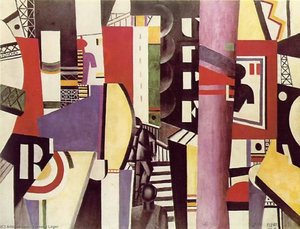
Fernand Léger’s *Composition with Knife* is not merely a painting; it's an unsettling meditation on the collision between organic life – represented by the fragmented heart – and the cold, brutal logic of industrialization. Executed in a style that anticipates the bold geometries of constructivism while retaining Léger’s distinctive approach to integrating modern themes into his art, this work immediately confronts the viewer with a jarring juxtaposition of vulnerability and violence. The central image—a crimson heart dissected by two gleaming knives—is profoundly unsettling, demanding an immediate emotional response. It's a scene that speaks to anxieties about progress, loss, and the potential for technology to both create and destroy.
Created during a period of rapid industrial growth and social upheaval in early 20th-century France, *Composition with Knife* reflects Léger's broader artistic concerns. He was deeply influenced by the rise of the machine age, viewing it not as an enemy of beauty but as a new source of form and structure. Unlike many artists who rejected representational art altogether, Léger sought to translate the essence of modern life—the rhythms of factories, the shapes of vehicles, the impact of urban sprawl—into his paintings. This approach is evident in the painting’s fragmented forms and its emphasis on geometric abstraction. Born in Argentan, Normandy, Léger's upbringing amidst agricultural labor instilled a deep appreciation for natural forms, which he then reinterpreted through the lens of modern technology.
Léger’s technique is characterized by bold brushstrokes, a textured surface, and a meticulous attention to detail. The knives are rendered with remarkable precision, their metallic surfaces gleaming under the implied light. The fragmented heart is built up from numerous smaller shapes, creating a complex and layered composition. The inclusion of the clock adds another layer of symbolism – time relentlessly marching forward, contributing to the sense of decay and disruption. Léger’s use of impasto—thickly applied paint—further enhances the painting's tactile quality and visual impact.
*Composition with Knife* transcends a simple depiction of violence; it is a profound exploration of human vulnerability in the face of overwhelming forces. The image evokes feelings of anxiety, unease, and perhaps even despair. It’s a reminder of the potential consequences of unchecked technological progress and the fragility of life itself. This powerful artwork continues to resonate with viewers today, prompting reflection on our relationship with technology, nature, and the human condition.
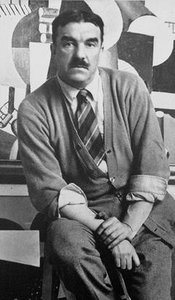
1881 - 1955 , Francia

Discover BuyPopArt.com's premium poster prints. Featuring 12-color pigment technology and museum-grade substrates, our versatile, high-fidelity prints offer vivid colors and archival quality for sophisticated modern decor. Elevate your space with professional art solutions.


Manténgase al día con las últimas noticias de arte, ofertas exclusivas e ideas de decoración.
Cuéntanos sobre tu proyecto y nuestros expertos en arte te ofrecerán 3 sugerencias de obras personalizadas.
Dejamos que nosotros seleccionemos 3 opciones exclusivas para ti – ¡Gratis!


 Vista previa
 Compartir
 Compartir
 Ver detalles

 Descargar
 Ver similares
 Radiografía
 Presentación de diapositivas
 Leer más







 La opción de vidrio solo está disponible en tamaños inferiores a 110 cm.