Impresiones giclée o en lienzo de calidad de museo con producción rápida y opciones de acabado flexibles. ( Cambiar a pintura hecha a mano Cambiar a imagen)





























Elija entre nuestros tamaños predefinidos que respetan las proporciones originales de la obra.

Puede introducir sus propias dimensiones para adaptarse a un marco o espacio específico. Si el tamaño seleccionado no coincide con las proporciones de la imagen original, recortaremos la obra de arte o extenderemos la imagen con un borde con efecto espejo o de color sólido. Se enviará una maqueta digital para su aprobación antes de que comience la producción.
Tenga en cuenta que la vista previa en pantalla no refleja el recorte o la extensión real. Solo la maqueta mostrará con precisión la composición final.
Aunque existen tamaños personalizados, recomendamos seleccionar una dimensión de la lista predefinida para preservar las proporciones originales.
Envío a todo el mundo () en 2 semanas en lugar de las 4/5 semanas estándar. (10 agosto)


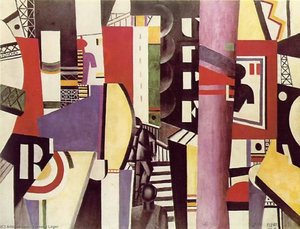
Composition4
Tamaño de la reproducción
Fernand Léger's *Composition 4*, a striking black and white photograph capturing a key example of his modernist oeuvre, offers a compelling glimpse into the heart of an artist profoundly shaped by the burgeoning industrial age. Executed in a style that would become synonymous with his name – a bold synthesis of abstraction and recognizable form – this artwork invites viewers to contemplate the relationship between humanity and machine, a theme central to Léger’s artistic exploration. The image itself presents a carefully arranged tableau: a chair, bottle, cup, bowl, vase, and wine glass coalesce into an abstract composition, their individual identities subsumed within a larger geometric vocabulary. This isn't simply a still life; it’s a deliberate investigation of the visual language emerging from the rapid transformations occurring in France at the turn of the 20th century.
Created by Léger around 1913-1916, *Composition 4* exemplifies the core principles of what he termed “Tubism.” Born from his observations of the mechanized world – locomotives, factory machinery, and urban landscapes – Tubism sought to represent objects not as they appeared in reality but as they were perceived through the lens of industrial form. Léger wasn’t rejecting representation entirely; rather, he was stripping away extraneous detail to reveal the underlying geometric structures that defined these new forms. The repetition of shapes—circles, squares, and cylinders—echoes the rhythmic patterns found in machinery, creating a visual resonance with the dynamism of modern life. This approach directly challenged the prevailing artistic trends of Impressionism and Post-Impressionism, paving the way for further developments in abstract art.
While the photograph captures the essence of the original painting, it’s crucial to understand Léger's technique. He primarily employed oil paint on canvas, often applying thick impasto layers to build up texture and emphasize the three-dimensional qualities of his forms. The stark contrast between black and white in this particular image amplifies these textural effects, highlighting the deliberate physicality of his brushstrokes. Léger’s use of color was initially limited to primary hues – red, yellow, and blue – which he later expanded to include more vibrant tones as his style evolved. This emphasis on materiality—the tangible presence of paint itself—was a defining characteristic of his work, reflecting his fascination with the industrial world's raw materials.
*Composition 4* transcends a mere depiction of objects; it’s imbued with symbolic meaning. The carefully arranged still life can be interpreted as an allegory for humanity’s place within the machine age. The fragmented forms suggest a breakdown of traditional notions of beauty and harmony, reflecting the anxieties and uncertainties surrounding rapid industrialization. Yet, despite this fragmentation, there's also a sense of order and balance, suggesting Léger’s belief in the potential for humans to adapt and thrive amidst technological change. The objects themselves – everyday items elevated to artistic significance – speak to the artist’s desire to find beauty and meaning in the mundane aspects of modern life.
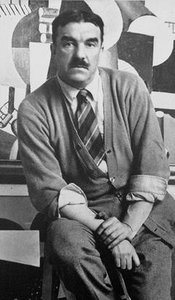
1881 - 1955 , Francia

Descubre cómo la abstracción en blanco y negro eleva el diseño arquitectónico moderno. Expertos revelan secretos de iluminación, materiales y minimalismo para espacios sofisticados y atemporales.
Descubre 10 obras maestras del arte minimalista: Mondrian, Rothko y más. Explora la historia, técnica y el impacto de estos lienzos abstractos perfectos para una decoración serena y elegante. Encuentra reproducciones de alta calidad en BuyPopArt.com.

Descubre las 25 obras maestras de Kazimir Malevich, pionero del Suprematismo. Explora la historia, el significado y la belleza del arte abstracto moderno. Reproducciones de alta calidad para inspirar tu hogar en BuyPopArt.com.
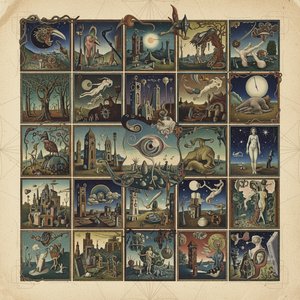
Descubre las 25 obras maestras de Max Ernst, el rey del surrealismo. Explora su arte onírico, técnicas innovadoras y simbolismo profundo. Reproducciones de alta calidad para decorar tu hogar con estilo en BuyPopArt.com

Descubre la evolución del bodegón y cómo integrar reproducciones artísticas de alta calidad en tu villa. Expertos en arte, selección exclusiva y asesoramiento personalizado.


Manténgase al día con las últimas noticias de arte, ofertas exclusivas e ideas de decoración.
Cuéntanos sobre tu proyecto y nuestros expertos en arte te ofrecerán 3 sugerencias de obras personalizadas.
Dejamos que nosotros seleccionemos 3 opciones exclusivas para ti – ¡Gratis!


 Vista previa
 Compartir
 Compartir
 Ver detalles

 Descargar
 Ver similares
 Radiografía
 Presentación de diapositivas

 Leer más







 La opción de vidrio solo está disponible en tamaños inferiores a 110 cm.