x

 Encargar reproducción Comprar imagen en alta resolución
 Enviar
 Detalles
 Añadir a favoritos
 Descargar
 Similares
 Radiografía
 Presentación de diapositivas
Impresión giclée o en lienzo de calidad de museo con producción rápida y opciones de acabado flexibles.
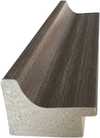
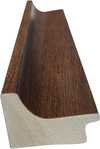
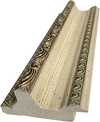
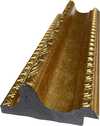
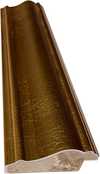
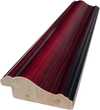
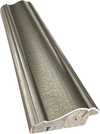
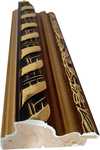
Elija entre nuestros tamaños predefinidos que respetan las proporciones originales de la obra.

Puede introducir sus propias dimensiones para adaptarse a un marco o espacio específico. Si el tamaño seleccionado no coincide con las proporciones de la imagen original, recortaremos la obra de arte o extenderemos la imagen con un borde con efecto espejo o de color sólido. Se enviará una maqueta digital para su aprobación antes de que comience la producción.
Tenga en cuenta que la vista previa en pantalla no refleja el recorte o la extensión real. Solo la maqueta mostrará con precisión la composición final.
Aunque existen tamaños personalizados, recomendamos seleccionar una dimensión de la lista predefinida para preservar las proporciones originales.
Entrega mundial () en 2 semanas en lugar de las 4/5 semanas estándar. (20 julio)


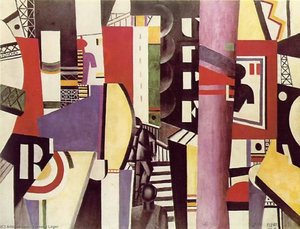
Roofs
Tamaño de la reproducción
Fernand Léger's "Roofs," painted during a period of profound societal transformation, is more than just a depiction of a city scene; it’s a visceral embodiment of the anxieties and aspirations surrounding the rise of industrial modernity. The painting immediately commands attention with its dramatic composition – buildings choked by billowing smoke, figures scattered amidst the chaos, and two birds seemingly adrift in this turbulent landscape. Léger, born Joseph Fernand Henri Léger in 1881 in Argentan, Normandy, was a key figure in the development of Cubism, yet his work transcends simple geometric abstraction. He sought to translate the impact of the machine age – its raw power, its fragmented forms, and its unsettling influence on human life – into a powerfully expressive visual language.
Léger’s artistic journey began with an interest in architecture, but his relocation to Paris around 1900 proved transformative. He quickly immersed himself in the burgeoning avant-garde scene, rejecting purely abstract approaches that distanced art from reality. Instead, he embraced a method of “analytical cubism,” meticulously dissecting objects and figures into geometric components – cylinders, cones, and planes – before reassembling them in a fragmented yet dynamic composition. In "Roofs," this technique is evident in the angular forms of the buildings, rendered with a deliberate sense of distortion that reflects their mechanical nature. The smoke itself isn’t merely atmospheric; it's a visual representation of the industrial processes churning at the heart of the city, a tangible manifestation of its relentless energy.
The inclusion of two birds within the composition is particularly significant. Often interpreted as symbols of freedom and escape, their presence amidst the urban turmoil suggests a yearning for respite from the pressures of modern life. The scattered figures, rendered with varying degrees of detail, contribute to the painting’s sense of unease and urgency. They are not heroic or idealized; rather, they represent ordinary individuals grappling with the consequences of rapid industrialization – perhaps overwhelmed by its scale, or searching for meaning within its disorienting landscape. Léger masterfully evokes a feeling of both fascination and apprehension, inviting the viewer to contemplate the complex relationship between humanity and technology.
Léger’s technique in “Roofs” is characterized by bold brushstrokes and a deliberate use of color. While the palette leans towards muted tones – grays, browns, and ochres – punctuated by flashes of red and yellow within the smoke, this restraint amplifies the painting's dramatic impact. The artist employed a layering technique, building up the composition through multiple applications of paint, creating a textured surface that adds to the sense of depth and dynamism. This meticulous approach is characteristic of Léger’s commitment to capturing the essence of form and texture, reflecting his fascination with the physicality of industrial materials.
"Roofs" stands as a powerful testament to Fernand Léger's pioneering vision. It is a painting that speaks directly to our contemporary concerns about urbanization, technological advancement, and the human condition in an age of rapid change. Its enduring appeal lies not only in its formal qualities – its masterful use of cubist principles – but also in its profound emotional resonance. A hand-painted reproduction of this artwork offers a unique opportunity to experience Léger’s artistic genius firsthand, bringing a touch of modernist drama and intellectual depth to any interior space.
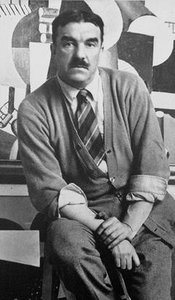
1881 - 1955 , Francia

Explore the rich history of figure painting from antiquity to the Renaissance! Discover iconic artworks, masterful techniques & enduring symbolism. Find museum-quality reproductions at BuyPopArt.
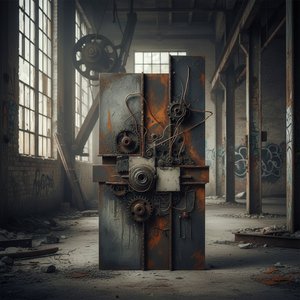
Exploramos la estética industrial en el arte moderno: del brutalismo a Breuer y su impacto emocional. Análisis profundo para coleccionistas y amantes del arte.

Descubre 10 obras maestras que capturan la esencia del arte industrial. Explora la historia de Van Gogh, Hopper y Klimt, sus técnicas y paletas. Encuentra lienzos perfectos para un hogar con carácter en BuyPopArt.com.

Descubre los 10 lienzos cubistas que revolucionaron el arte moderno. Explora la historia de Picasso, Braque y otros maestros del cubismo en . Reproducciones de alta calidad para tu hogar.
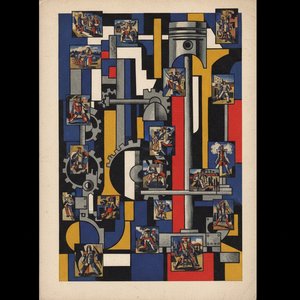
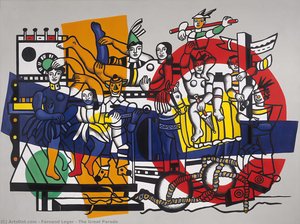
Descubre las 25 obras maestras de Fernand Léger, pionero del tubismo y la vanguardia francesa. Explora su estética industrial, composiciones geométricas y vibrantes colores. Reproducciones de arte exclusivas en BuyPopArt.com.


Manténgase al día con las últimas noticias de arte, ofertas exclusivas e ideas de decoración.
Cuéntanos sobre tu proyecto y nuestros expertos en arte te ofrecerán 3 sugerencias de obras personalizadas.
Permítenos seleccionar 3 opciones solo para ti – ¡Gratis!


 Compartir


 Ver más
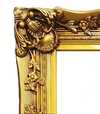
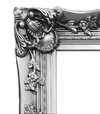
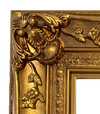
 La opción de vidrio solo está disponible en tamaños inferiores a 110 cm.