

Impresiones giclée o en lienzo de calidad de museo con producción rápida y opciones de acabado flexibles. ( Cambiar a pintura hecha a mano Cambiar a imagen)





























Elija entre nuestros tamaños predefinidos que respetan las proporciones originales de la obra.

Puede introducir sus propias dimensiones para adaptarse a un marco o espacio específico. Si el tamaño seleccionado no coincide con las proporciones de la imagen original, recortaremos la obra de arte o extenderemos la imagen con un borde con efecto espejo o de color sólido. Se enviará una maqueta digital para su aprobación antes de que comience la producción.
Tenga en cuenta que la vista previa en pantalla no refleja el recorte o la extensión real. Solo la maqueta mostrará con precisión la composición final.
Aunque existen tamaños personalizados, recomendamos seleccionar una dimensión de la lista predefinida para preservar las proporciones originales.
Envío a todo el mundo () en 2 semanas en lugar de las 4/5 semanas estándar. (11 agosto)


Un Comanche
Tamaño de la reproducción
“A Comanche” (1888) de Frederic Remington es mucho más que la simple representación de un guerrero nativo americano y su caballo; es una instantánea conmovedora de un mundo que desaparecía rápidamente. Pintada durante un período de intensa fascinación por el Oeste americano, esta obra captura la esencia de la frontera: su belleza agreste, su peligro inherente y la compleja relación entre los colonos europeos y las poblaciones indígenas que la llamaban hogar. El impacto inmediato de la pintura reside en su poderosa composición: la presencia imponente del caballo domina el primer plano, anclando la escena mientras transmite, simultáneamente, una sensación de fuerza bruta y espíritu indómitable. El guerrero comanche, plasmado con un detalle meticuloso, encarna tanto la fortaleza como la vulnerabilidad, con su mirada fija en un horizonte invisible.
El estilo artístico de Remington está firmemente arraigado en el movimiento realista, aunque infundido con una sensibilidad distintivamente romántica. No le interesaban las representaciones idealizadas del Oeste; por el contrario, buscaba retratarlo tal como lo veía, a menudo a través del lente de sus propias observaciones y los relatos de vaqueros y hombres de la frontera. Su técnica implicaba pinceladas rápidas y elecciones de color audaces, creando una sensación de inmediatez y movimiento. La aplicación de un impasto grueso, particularmente evidente en la musculatura del caballo y en la vestimenta del jinete, añade una cualidad táctil a la pintura y refuerza su impacto dramático. El uso de la luz y la sombra por parte de Remington es magistral, esculpiendo las figuras y realzando su tridimensionalidad. Este enfoque fue revolucionario para su época, alejándose de la precisión académica hacia una representación más directa y emocionalmente cargada del sujeto.
"A Comanche" fue creada durante un período crucial en la historia estadounidense: finales del siglo XIX, una época en la que la expansión hacia el oeste se aceleraba, provocando un aumento de los conflictos entre colonos y nativos americanos. La obra de Remington refleja esta tensión, a menudo romantizando la frontera mientras documenta simultáneamente sus brutales realidades. La pintura apela a una fascinación cultural más amplia por el “Lejano Oeste”, alimentada por las novelas de a centavo, los relatos sensacionalistas de la prensa y la creciente popularidad del espectáculo Wild West Show de Buffalo Bill. El propio Remington desempeñó un papel significativo en la formación de esta percepción, convirtiéndose en uno de los artistas comercialmente más exitosos de su era, debido en gran medida a su capacidad para capturar la imaginación del público con escenas de vaqueros, indígenas y el vasto paisaje americano.
Más allá de su representación literal, “A Comanche” posee un peso simbólico significativo. El caballo representa la libertad, el poder y la conexión con la tierra, valores profundamente arraigados en la cultura nativa americana. La figura solitaria del guerrero encarna la resiliencia, la independencia y una profunda conexión con su herencia. La pintura evoca una sensación de asombro y melancolía a la vez, recordándonos un modo de vida que estaba desapareciendo rápidamente. Es un poderoso testimonio de un mundo en extinción, que invita a la reflexión sobre temas como el desplazamiento cultural, el choque de civilizaciones y el encanto perdurable del Oeste americano. La resonancia emocional de esta obra continúa cautivando a los espectadores hoy en día, consolidando el legado de Remington como uno de los cronistas más importantes de esta era transformadora.

1861 - 1909 , Estados Unidos de América

Explore the captivating world of Charles Marion Russell, 'the cowboy artist.' Discover his life, iconic paintings, advocacy for Native Americans, and investment potential. A guide for discerning art collectors.
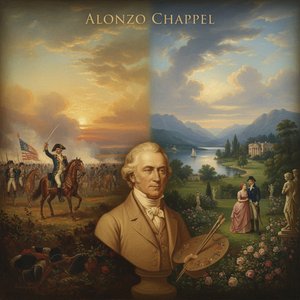
Explore the captivating world of Alonzo Chappel, a master of 19th-century American historical painting. Discover his iconic works, Romantic style & lasting legacy. Learn about collecting Chappel's art today!

Explore the captivating art of Karl Bodmer, whose detailed paintings documented Indigenous life along the Missouri River in the 19th century. Discover his legacy and lasting impact on Western art history.
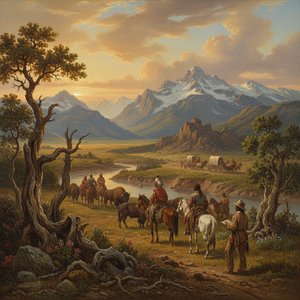
Explore the captivating art of Alfred Jacob Miller, chronicler of the American West. Discover his iconic paintings, techniques & lasting legacy – a valuable addition to any serious collection. Learn more at BuyPopArt.

Explore the life & art of Eanger Irving Couse, a pivotal figure in Southwestern Impressionism and founder of the Taos Society of Artists. Discover his captivating paintings & legacy.


Manténgase al día con las últimas noticias de arte, ofertas exclusivas e ideas de decoración.
Cuéntanos sobre tu proyecto y nuestros expertos en arte te ofrecerán 3 sugerencias de obras personalizadas.
Dejamos que nosotros seleccionemos 3 opciones exclusivas para ti – ¡Gratis!


 Vista previa
 Compartir
 Compartir
 Ver detalles

 Descargar
 Ver similares
 Radiografía
 Presentación de diapositivas


 Leer más







 La opción de vidrio solo está disponible en tamaños inferiores a 110 cm.


