

Impresiones giclée o en lienzo de calidad de museo con producción rápida y opciones de acabado flexibles. ( Encargar reproducción pintada a mano Comprar descarga)





























Elija entre nuestros tamaños predefinidos que respetan las proporciones originales de la obra.

Puede introducir sus propias dimensiones para adaptarse a un marco o espacio específico. Si el tamaño seleccionado no coincide con las proporciones de la imagen original, recortaremos la obra de arte o extenderemos la imagen con un borde con efecto espejo o de color sólido. Se enviará una maqueta digital para su aprobación antes de que comience la producción.
Tenga en cuenta que la vista previa en pantalla no refleja el recorte o la extensión real. Solo la maqueta mostrará con precisión la composición final.
Aunque existen tamaños personalizados, recomendamos seleccionar una dimensión de la lista predefinida para preservar las proporciones originales.
Envío a todo el mundo () en 2 semanas en lugar de las 4/5 semanas estándar. (13 agosto)


Verano
Tamaño de la reproducción
Giuseppe Arcimboldo (1527-1593), born in Milan during the tumultuous period of the Italian Renaissance, stands apart from his contemporaries not merely as a painter but as an innovator—a true visionary who dared to challenge artistic conventions and explore the boundaries between portraiture and still life. Initially recognized for traditional frescoes adorning churches and portraits upholding established courtly standards, Arcimboldo’s enduring fame rests upon a singular genre: composite heads constructed entirely from meticulously arranged objects – fruits, vegetables, flowers, books, even musical instruments.
Perhaps Arcimboldo’s most celebrated masterpiece, Vertumnus (1590), exemplifies this distinctive approach to portraiture. Commissioned by Holy Roman Emperor Rudolf II—a ruler known for his patronage of the arts and his embrace of unconventional ideas—the painting depicts Rudolf II as a head composed entirely of fruits, vegetables, flowers, and foliage. This deliberate choice wasn’t merely whimsical; it served as an elaborate visual metaphor reflecting Rudolf II's desire to represent the totality of human experience – intellect, emotion, and physicality – within a single image.
The artwork’s symbolism speaks volumes about Renaissance worldview: The careful arrangement of seasonal produce underscored Rudolf II’s ambition to embody the virtues of his reign—wisdom, fertility, and abundance. Arcimboldo's decision to incorporate these items was also an intentional reference to Vertumnus, the Roman god of vegetation – a deity associated with renewal and transformation.
Arcimboldo’s style aligns perfectly with Mannerism—a movement that flourished in Italy during the mid-16th century. Mannerist artists rejected the serene idealism of High Renaissance art, favoring exaggerated forms, distorted perspectives, and dramatic lighting to convey emotion and psychological complexity. Arcimboldo's approach mirrored this stylistic ethos, prioritizing visual impact over strict anatomical accuracy.
Contemporary art historians recognized Arcimboldo’s genius—he was considered one of the first pioneers of Mannerism due to his innovative use of still life images. His work stands apart from other portraits of his time because it challenged conventional artistic norms and embraced a playful, subversive aesthetic. Like Pieter Bruegel the Elder's “The Bee-Keepers,” Arcimboldo’s composite heads captivated audiences with their unsettling beauty—a testament to his ability to transform familiar subjects into unforgettable visual experiences.
Giuseppe Arcimboldo’s legacy extends far beyond his artistic achievements. He embodies the Renaissance spirit of intellectual curiosity and imaginative experimentation – a refusal to accept limitations and a willingness to explore uncharted territories of artistic expression. His influence can be seen in subsequent artists who sought to push boundaries and challenge expectations, cementing his place as one of the most singular figures in Renaissance art.
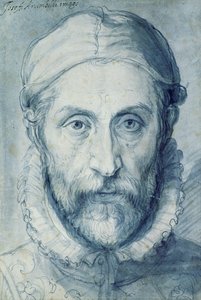
1527 - 1593 , Italia

Discover the enduring elegance of bronze sculpture. Our expert guide explores lost-wax casting, the artistry of patina, and professional advice for collectors looking to acquire or commission museum-quality metal masterpieces that define a legacy.


Manténgase al día con las últimas noticias de arte, ofertas exclusivas e ideas de decoración.
Cuéntanos sobre tu proyecto y nuestros expertos en arte te ofrecerán 3 sugerencias de obras personalizadas.
Dejamos que nosotros seleccionemos 3 opciones exclusivas para ti – ¡Gratis!


 Vista previa
 Compartir
 Compartir
 Ver detalles

 Descargar
 Ver similares
 Radiografía
 Presentación de diapositivas


 Leer más







 La opción de vidrio solo está disponible en tamaños inferiores a 110 cm.


