

Adquiera una imagen digital de alta resolución y optimizada, muy superior a la vista previa en línea.
Cada archivo es preparado meticulosamente por nuestros especialistas internos mediante el uso de herramientas avanzadas y un experto retoque manual. Nos aseguramos de que cada imagen posea una claridad excepcional, una precisión cromática impecable y un detalle minucioso.
El archivo final se entrega por correo electrónico en un plazo de 72 horas, optimizado para su uso inmediato en entornos profesionales, editoriales y de impresión. Esta es la misma calidad en la que confían los estudios de diseño, las editoriales y las galerías de primer nivel.
Descarga un archivo de alta resolución para exhibición personal, impresión y proyectos creativos. ( Comprar impresión Comprar pintura hecha a mano)
Al elegir BuyPopArt.com, no solo está adquiriendo una imagen; está recibiendo una obra de arte digital mejorada profesionalmente, elaborada con precisión y respaldada por una garantía de satisfacción. Esto es todo lo que incluye su pedido, automáticamente:

Recibirá su archivo de imagen digital en alta resolución por correo electrónico en un plazo de 72 horas tras realizar su pedido, listo para su uso inmediato.

Su obra de arte se optimiza profesionalmente mediante herramientas avanzadas de IA y edición manual, garantizando el máximo detalle, claridad y precisión cromática.

¿Has borrado o perdido tu archivo por error? No te preocupes: te lo volveremos a enviar en cualquier momento, sin coste adicional.

Disfrute de su obra de arte al instante sin aduanas, aranceles ni gastos de envío; las descargas digitales siempre están libres de impuestos.

Garantizamos que su imagen digital refleje los colores originales con la mayor fidelidad posible, mediante el uso de herramientas profesionales y gestión del color.

Si no está satisfecho con su imagen digital, la revisaremos o le reembolsaremos el 100% en un plazo de 60 días, sin preguntas.

¿No está satisfecho? Obtenga un reembolso completo dentro de los 60 días posteriores a la recepción de su archivo digital, sin necesidad de explicaciones.

Compra 3 imágenes, ahorra 10% - Compra 5, ahorra 15% - Compra 10+, ahorra 20%. Ideal para proyectos creativos, galerías y agencias.
James Ensor's "Caprice," a sketch rendered in stark black and white, is not merely a depiction of a scene; it’s an immersion into the unsettling heart of human experience. Created around 1890, this work exemplifies Ensor’s signature style – a potent blend of Symbolism, Expressionism, and a deeply rooted fascination with the grotesque and the macabre. The image presents a dramatic tableau: a colossal bird, seemingly an angel yet radiating an unnerving presence, dominates the composition, casting its shadow over a group of figures rendered as skeletal or ghostly forms. This isn’t a comforting vision of salvation; instead, it's a chilling meditation on suffering, mortality, and the anxieties simmering beneath the surface of contemporary society.
Ensor’s artistic journey was profoundly shaped by his upbringing in Ostend, Belgium – a vibrant seaside resort town brimming with carnival traditions. His family operated a souvenir shop overflowing with masks, costumes, and exotic objects, providing him with an unparalleled visual vocabulary. This early exposure to the theatricality of life, particularly the elaborate rituals surrounding Mardi Gras, became a recurring theme in his work, informing his use of disguise, symbolism, and a deliberate blurring of reality and illusion. “Caprice,” like much of Ensor’s oeuvre, draws heavily on this carnival imagery, injecting it with a distinctly unsettling atmosphere.
The monochrome palette of "Caprice" immediately establishes a mood of somber intensity. Ensor masterfully employs hatching and cross-hatching to build form and texture, creating a sense of depth and volume despite the absence of color. The bird itself is rendered with meticulous detail – its wings spread wide, almost aggressively so – drawing the viewer’s eye and anchoring the composition. Notice how he uses varying line weights to suggest movement and emotion; the skeletal figures seem to writhe in silent agony, while the bird exudes a quiet authority.
Crucially, Ensor abandons traditional perspective and realistic representation. Instead, he employs a flattened picture plane, compressing space and intensifying the claustrophobic feeling of the scene. This deliberate distortion contributes to the painting’s unsettling effect, forcing the viewer to confront the uncomfortable realities it depicts. The figures are densely packed together, almost suffocating one another, mirroring the anxieties of a rapidly changing society.
The central figure of the bird is particularly complex. While often interpreted as an angel, Ensor subverts this traditional symbolism. The bird’s imposing size and its shadowed presence suggest not benevolence but rather a force of judgment or perhaps even predation. Its wings, spread wide, could represent both ascension and entrapment – a suggestion that salvation may be elusive or even illusory.
The skeletal figures surrounding the bird are undoubtedly representations of human suffering and death. Their pallid skin tones and vacant stares evoke a sense of profound loss and despair. Ensor’s use of masks, prevalent throughout his work, further obscures their identities, transforming them into archetypal symbols of mortality. The sheer number of these figures – at least twelve visible in the sketch – underscores the pervasive nature of suffering within society.
"Caprice" is a pivotal work in Ensor’s artistic development, reflecting his growing disillusionment with societal norms and his willingness to confront uncomfortable truths. As documented by research from Wake Forest University's Print Collection (https://users.wfu.edu/martine/pcweb15/pc-ensor.html), Ensor’s work was often met with resistance due to its provocative subject matter and unconventional style. He deliberately challenged conventional artistic practices, paving the way for later Expressionist artists.
The Getty Exhibition “The Scandalous Art of James Ensor” (https://www.getty.edu/art/collection/exhibition/103PRP) highlights how Ensor’s work was initially perceived as shocking and unsettling, yet ultimately recognized for its profound psychological insight and artistic innovation. Reproductions of "Caprice," available through BuyPopArt.com, offer a powerful opportunity to experience the full impact of this haunting masterpiece – a testament to James Ensor's enduring legacy as one of the most original and challenging artists of the late 19th century.
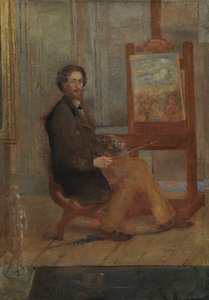
1860 - 1949 , Bélgica


Manténgase al día con las últimas noticias de arte, ofertas exclusivas e ideas de decoración.
Cuéntanos sobre tu proyecto y nuestros expertos en arte te ofrecerán 3 sugerencias de obras personalizadas.
Permítenos seleccionar 3 opciones exclusivas para ti – ¡Gratis!


 Enviar
 Compartir
 Detalles

 Descargar
 Similares
 Presentación de diapositivas

 Ver más