Impresiones giclée o en lienzo de calidad de museo con producción rápida y opciones de acabado flexibles. ( Comprar pintura hecha a mano Comprar imagen)





























Elija entre nuestros tamaños predefinidos que respetan las proporciones originales de la obra.

Puede introducir sus propias dimensiones para adaptarse a un marco o espacio específico. Si el tamaño seleccionado no coincide con las proporciones de la imagen original, recortaremos la obra de arte o extenderemos la imagen con un borde con efecto espejo o de color sólido. Se enviará una maqueta digital para su aprobación antes de que comience la producción.
Tenga en cuenta que la vista previa en pantalla no refleja el recorte o la extensión real. Solo la maqueta mostrará con precisión la composición final.
Aunque existen tamaños personalizados, recomendamos seleccionar una dimensión de la lista predefinida para preservar las proporciones originales.
Envío a todo el mundo () en 2 semanas en lugar de las 4/5 semanas estándar. (12 agosto)


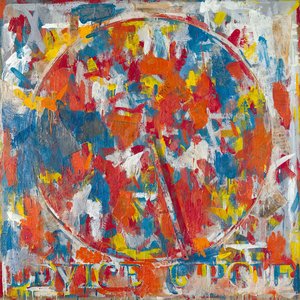
Figure
Tamaño de la reproducción
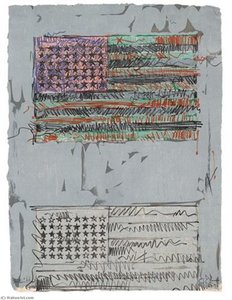
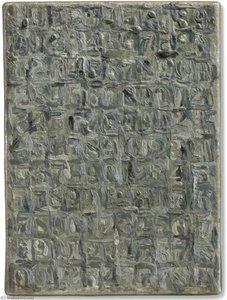
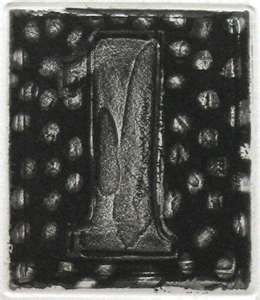
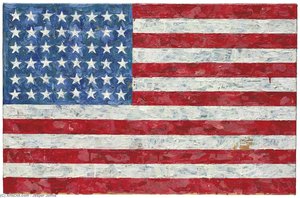
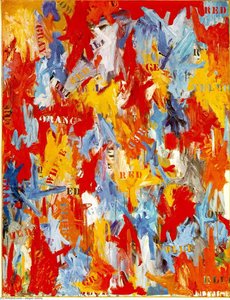
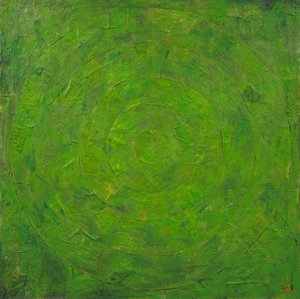
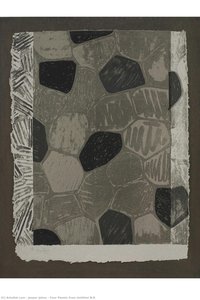
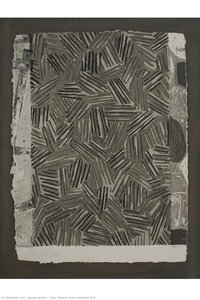
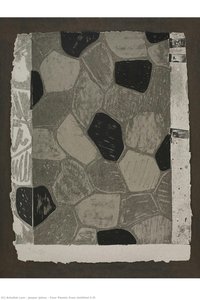
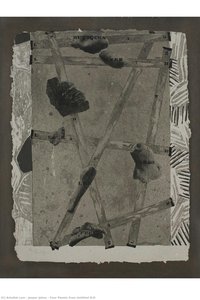
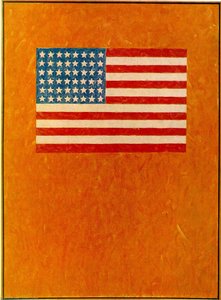
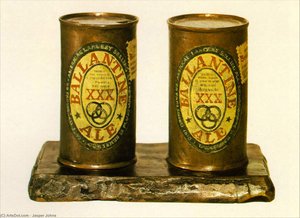
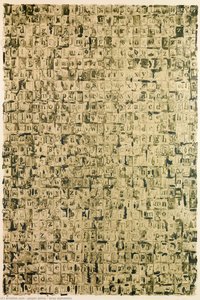
Jasper Johns' "Figure," a painting that immediately commands attention with its central, oversized numeral two, is far more than a simple depiction of quantity. It’s a carefully constructed meditation on perception, representation, and the very nature of visual language – a cornerstone of Johns’ distinctive artistic approach that bridged the gap between Abstract Expressionism and the burgeoning Pop Art movement. Born in 1930, Johns' career was defined by his deliberate subversion of conventional art-making practices, often employing familiar objects—flags, maps, targets—as subjects to challenge our assumptions about what constitutes “art.” "Figure" exemplifies this strategy brilliantly, inviting viewers to consider the inherent ambiguity and layered meanings embedded within seemingly straightforward imagery.
The painting’s palette is deliberately restrained – a muted blend of greys and browns that lends an almost photographic quality to the composition. Thick brushstrokes, applied with a controlled yet energetic hand, create a sense of texture and depth, preventing the image from feeling flat or overly stylized. Notice how Johns doesn't attempt to render the number two realistically; instead, he employs a fragmented, almost geometric approach, suggesting its presence through shape and form rather than direct representation. This technique is characteristic of Johns’ work – he prioritizes the *idea* of an object over a literal depiction, creating a visual puzzle for the viewer to unravel.
Johns' fascination with symbols—particularly those deeply rooted in American iconography—is central to understanding his work. The number two itself carries significant cultural weight, representing duality, balance, or even a sense of incompleteness. In the context of the painting, it functions as an anchor, drawing the eye and establishing a visual hierarchy. However, Johns deliberately avoids providing any definitive interpretation; he leaves the meaning open to the viewer’s own contemplation. This ambiguity is not accidental—it's a deliberate tactic designed to engage the audience in a dialogue with the artwork.
Furthermore, the painting subtly references the tradition of “figure painting,” a historical movement that emphasized realistic representation of the human form. The title itself – "Figure" – acts as a playful wink at this established artistic lineage, suggesting a connection between the abstract and the representational. The use of numerals echoes the visual language of advertising and signage, further blurring the boundaries between art and everyday life—a key characteristic of Pop Art.
“Figure” was created during a period of profound transformation in American art. Following World War II, artists were grappling with questions about identity, representation, and the role of art in society. Abstract Expressionism, with its emphasis on spontaneous gesture and emotional expression, had dominated the artistic landscape for decades. However, by the late 1950s, a new generation of artists—including Johns, Rauschenberg, and Warhol—began to challenge these conventions, exploring alternative approaches to art-making.
Johns’ shift towards using everyday objects as subjects reflected this broader cultural shift. He rejected the introspective focus of Abstract Expressionism in favor of a more outward-looking approach, engaging with the visual culture of American society. “Figure” embodies this transition—it's a painting that looks beyond the purely personal and engages with the collective consciousness.
Despite its seemingly simple composition, "Figure" possesses a remarkable emotional resonance. The muted colors, fragmented forms, and ambiguous symbolism create a sense of quiet contemplation – inviting viewers to slow down and consider the painting’s deeper meanings. Johns' work continues to resonate with audiences today because it speaks to fundamental questions about perception, representation, and the relationship between art and reality.
Reproductions of “Figure” offer a unique opportunity to experience this artwork firsthand, bringing its subtle complexities into your home or office. BuyPopArt’s hand-painted reproductions capture the essence of Johns' masterful technique and imbue the image with a vibrant, authentic quality that is unmatched by digital prints. Consider how this piece can add a touch of intellectual intrigue and understated elegance to any space – a testament to the enduring power of Jasper Johns’ artistic vision.
Nacido en Augusta, Georgia, en 1930, Jasper Johns es un artista estadounidense altamente influyente, reconocido por sus obras innovadoras y provocativas que redefinieron el arte moderno. Su carrera abarca décadas, marcada por una constante exploración de la forma, el simbolismo y la propia naturaleza de la representación.
Johns experimentó una infancia desafiante tras el divorcio de sus padres. Asistió a varias escuelas antes de estudiar en la Universidad de Carolina del Sur durante tres semestres en 1948-1949. Luego se mudó a la ciudad de Nueva York en 1949, donde estudió brevemente en la Parsons School of Design y más tarde sirvió en el Ejército de los EE. UU. durante la Guerra de Corea. Este período tuvo un impacto significativo en su desarrollo artístico.
Inicialmente influenciado por el Expresionismo Abstracto, Johns pronto comenzó a desviarse de su enfoque puramente no representacional. Buscó un nuevo lenguaje visual que incorporara imágenes reconocibles, desafiando las normas estéticas prevalecientes de la época. Las influencias clave incluyeron:
El estilo artístico de Johns se caracteriza por su audacia, simplicidad, ironía y una ambigüedad deliberada. A menudo empleó técnicas como el encausto (pigmento mezclado con cera caliente) y el collage, creando superficies texturizadas que añadieron capas de significado a sus obras.
Jasper Johns desempeñó un papel crucial en la transición del Expresionismo Abstracto al Pop Art. Su uso de imágenes reconocibles desafió la noción de que el arte no tenía que ser puramente abstracto o emocionalmente expresivo. Allanó el camino para una nueva generación de artistas que adoptaron la cultura popular y los objetos cotidianos como tema.
Su influencia se puede ver en el trabajo de:
Las obras de Johns se conservan en importantes colecciones de museos de todo el mundo, incluyendo:
Jasper Johns sigue activo hoy en día. Su exploración continua de los límites artísticos y su impacto perdurable en el arte contemporáneo consolidan su posición como uno de los artistas más importantes del siglo XX y XXI.

1930 - , Estados Unidos de América
Explore the groundbreaking abstract expressionism of Morris Louis, a pioneer of Color Field painting. Discover his innovative techniques, influential series & lasting legacy in post-war American art. Learn more at BuyPopArt.
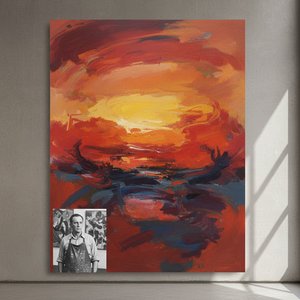
Explore the life & work of Jacob Kainen, a pivotal figure in American Abstract Expressionism and Color Field painting. Discover his journey from Social Realism to vibrant abstraction and lasting influence on 20th-century art.
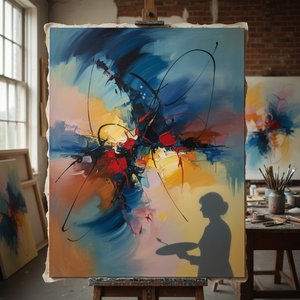
Explore the captivating world of Beatrice Parsons, a pioneering British abstract expressionist. Discover her journey from garden watercolors to evocative color field paintings and learn about her place within art history.

Descubre las 25 obras maestras de Mark Rothko, pionero del expresionismo abstracto. Explora la historia, el significado y los colores vibrantes que definen su arte emocional. Reproducciones de alta calidad en BuyPopArt.com.
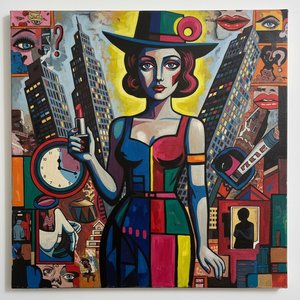
Explore the captivating world of Richard Lindner, a pivotal Pop Art figure. Discover his unique style, symbolic depth, collecting insights & lasting influence on contemporary art. Expert analysis for collectors.


Manténgase al día con las últimas noticias de arte, ofertas exclusivas e ideas de decoración.
Cuéntanos sobre tu proyecto y nuestros expertos en arte te ofrecerán 3 sugerencias de obras personalizadas.
Dejamos que nosotros seleccionemos 3 opciones exclusivas para ti – ¡Gratis!


 Vista previa
 Compartir
 Compartir
 Ver detalles

 Descargar
 Ver similares
 Radiografía
 Presentación de diapositivas
 Leer más







 La opción de vidrio solo está disponible en tamaños inferiores a 110 cm.