Impresiones giclée o en lienzo de calidad de museo con producción rápida y opciones de acabado flexibles. ( Encargar reproducción pintada a mano Comprar descarga)





























Elija entre nuestros tamaños predefinidos que respetan las proporciones originales de la obra.

Puede introducir sus propias dimensiones para adaptarse a un marco o espacio específico. Si el tamaño seleccionado no coincide con las proporciones de la imagen original, recortaremos la obra de arte o extenderemos la imagen con un borde con efecto espejo o de color sólido. Se enviará una maqueta digital para su aprobación antes de que comience la producción.
Tenga en cuenta que la vista previa en pantalla no refleja el recorte o la extensión real. Solo la maqueta mostrará con precisión la composición final.
Aunque existen tamaños personalizados, recomendamos seleccionar una dimensión de la lista predefinida para preservar las proporciones originales.
Envío a todo el mundo () en 2 semanas en lugar de las 4/5 semanas estándar. (14 agosto)


AUTUMN
Tamaño de la reproducción
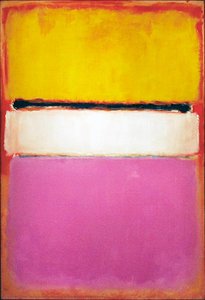
La obra ‘Autumn’ de Mark Rothko no es una representación de la estación en ningún sentido tradicional; es, más bien, una exploración de la resonancia emocional a través de las formas más simples. La pintura presenta una serie de bloques rectangulares de color —azules profundos que sugieren ventanas sombreadas, enmarcadas por un blanco intenso— dispuestos con una ambigüedad deliberada que invita a la contemplación. Es una obra profundamente arraigada en el expresionismo abstracto, pero que trasciende cualquier categorización fácil, existiendo como una poderosa declaración sobre la experiencia humana y la búsqueda de significado. Rothko no estaba interesado en representar el mundo exterior; buscaba evocar sentimientos profundos en el espectador a través del color y la escala. Las barras que atraviesan las ‘ventanas’ no son detalles arquitectónicos literales, sino que sugieren confinamiento, anhelo o, quizás, incluso una frágil esperanza que asoma hacia un espacio indefinido.
Nacido como Marcus Yakovlevich Rothkowitz en Letonia en 1903, el viaje de Rothko para convertirse en uno de los artistas más influyentes del siglo XX estuvo marcado por el desplazamiento y la curiosidad intelectual. La inmigración de su familia a América en 1913 le infundió un sentido de alteridad que, tal vez, alimentó su exploración de por vida de temas universales. Trabajando inicialmente con la pintura figurativa, representando paisajes urbanos y retratos, Rothko se alejó gradualmente de la representación, impulsado por el deseo de expresar verdades emocionales más profundas. Las ansiedades de la Segunda Guerra Mundial resultaron cruciales; comenzó a experimentar con temas mitológicos y el surrealismo antes de llegar al estilo distintivo por el cual es celebrado: las pinturas de campos de color a gran escala. Esta evolución no fue meramente estilística, sino filosófica: Rothko creía que el arte debía ser una experiencia, un conducto directo hacia las emociones primordiales, eludiendo el análisis intelectual.
La técnica en ‘Autumn’ es engañosamente simple. Rothko aplicaba la pintura en capas finas y diluidas, superponiendo color sobre color para crear campos luminosos que parecen respirar y vibrar sobre el lienzo. No se trataba de una pincelada precisa o un renderizado detallado; se trataba de permitir que los colores mismos hablaran. El azul elegido para estas 'ventanas' no es un azur alegre, sino más bien un tono sombrío, que insinúa melancolía o introspección. Los marcos blancos proporcionan un contraste marcado, intensificando el impacto emocional y creando una sensación de profundidad que atrae al espectador. La composición está cuidadosamente equilibrada, pero evita la simetría, otorgándole una cualidad orgánica que se siente tanto monumental como profundamente personal. La intención de Rothko no era crear objetos bellos, sino provocar una respuesta visceral: un sentimiento de asombro, tristeza o incluso un despertar espiritual.
La obra de Rothko continúa resonando profundamente en el público actual. Su proyecto más ambicioso, la Capilla Rothko en Houston, Texas, se erige como testimonio de su creencia en el poder del arte para trascender las fronteras religiosas y culturales. La capilla, repleta de catorce de sus lienzos oscuros, está diseñada como un espacio para la contemplación y la exploración espiritual. ‘Autumn’, aunque de menor escala que las pinturas de la capilla, comparte ese mismo compromiso con la creación de una experiencia emocional inmersiva. Poseer una reproducción de esta obra no es simplemente adquirir una pieza decorativa; es invitar un momento de reflexión silenciosa a su hogar u oficina, un recordatorio del poder del arte para conectarnos con algo más grande que nosotros mismos y para explorar las profundidades de la condición humana.
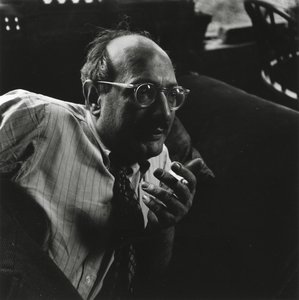
1903 - 1970 , Letonia

Dive into the high-voltage world of Abstract Expressionism. Explore the raw energy of Action Painting and the legendary masters of the New York School through a visual journey of pure chaos and color. Discover how to bring bold, high-impact abstract art into your modern space.

Master the power of Color Field painting. Discover how bold, immersive color transforms modern spaces through this expert guide to one of art's most impactful movements. Elevate your interior design with high-impact, contemporary abstract aesthetics.


Manténgase al día con las últimas noticias de arte, ofertas exclusivas e ideas de decoración.
Cuéntanos sobre tu proyecto y nuestros expertos en arte te ofrecerán 3 sugerencias de obras personalizadas.
Dejamos que nosotros seleccionemos 3 opciones exclusivas para ti – ¡Gratis!


 Vista previa
 Compartir
 Compartir
 Ver detalles

 Descargar
 Ver similares
 Radiografía
 Presentación de diapositivas

 Leer más







 La opción de vidrio solo está disponible en tamaños inferiores a 110 cm.