

 Acrylic On CanvasWallArtAbstract Expressionism
 1947Modern
 101.0 x 138.0 cm
Adquiera una imagen digital de alta resolución y optimizada, muy superior a la vista previa en línea.
Cada archivo es preparado meticulosamente por nuestros especialistas internos mediante el uso de herramientas avanzadas y un experto retoque manual. Nos aseguramos de que cada imagen posea una claridad excepcional, una precisión cromática impecable y un detalle minucioso.
El archivo final se entrega por correo electrónico en un plazo de 72 horas, optimizado para su uso inmediato en entornos profesionales, editoriales y de impresión. Esta es la misma calidad en la que confían los estudios de diseño, las editoriales y las galerías de primer nivel.
Descarga un archivo de alta resolución para exhibición personal, impresión y proyectos creativos. ( Pedir impresión Encargar reproducción pintada a mano)
Al elegir BuyPopArt.com, no solo está adquiriendo una imagen; está recibiendo una obra de arte digital mejorada profesionalmente, elaborada con precisión y respaldada por una garantía de satisfacción. Esto es todo lo que incluye su pedido, automáticamente:

Recibirá su archivo de imagen digital en alta resolución por correo electrónico en un plazo de 72 horas tras realizar su pedido, listo para su uso inmediato.

Su obra de arte se optimiza profesionalmente mediante herramientas avanzadas de IA y edición manual, garantizando el máximo detalle, claridad y precisión cromática.

¿Has borrado o perdido tu archivo por error? No te preocupes: te lo volveremos a enviar en cualquier momento, sin coste adicional.

Disfrute de su obra de arte al instante sin aduanas, aranceles ni gastos de envío; las descargas digitales siempre están libres de impuestos.

Garantizamos que su imagen digital refleje los colores originales con la mayor fidelidad posible, mediante el uso de herramientas profesionales y gestión del color.

Si no está satisfecho con su imagen digital, la revisaremos o le reembolsaremos el 100% en un plazo de 60 días, sin preguntas.

¿No está satisfecho? Obtenga un reembolso completo dentro de los 60 días posteriores a la recepción de su archivo digital, sin necesidad de explicaciones.

Compra 3 imágenes, ahorra 10% - Compra 5, ahorra 15% - Compra 10+, ahorra 20%. Ideal para proyectos creativos, galerías y agencias.
Mark Rothko’s ‘No. 3,’ painted in 1947, is more than just a canvas filled with color; it’s a profound exploration of human emotion, born from the artist’s own deeply personal experiences. Measuring 101 x 138 cm, this large-scale work exemplifies Rothko's signature style – monumental blocks of saturated color layered to create an intense and almost overwhelming sense of atmosphere. The painting immediately draws the viewer in with its central circular form, a deep blue backdrop pulsating with an inner light, while surrounding shapes—including stylized bird figures—add layers of complexity and contemplation. This piece represents a pivotal moment in Rothko’s artistic development, solidifying his commitment to expressing universal human experiences through abstract forms.
Understanding ‘No. 3’ requires acknowledging the formative influences shaping Rothko's worldview. Born in Dvinsk (now Daugavpils), Latvia, in 1903, he carried within him a legacy of displacement and hardship. His family’s emigration to Portland, Oregon, in 1913, following his father’s death, introduced him to a new culture while simultaneously exposing him to the profound grief of loss – a theme that would become central to his work. Rothko's early life was marked by instability and intellectual ferment, fostering a sensitivity to suffering and a preoccupation with existential questions. This background is palpable in ‘No. 3,’ where the seemingly simple arrangement of color evokes a sense of unease and introspection, mirroring the artist’s own struggles with mortality and meaning.
Rothko's technique was meticulously developed over years of experimentation. He employed a layering method, applying thin washes of oil paint that were allowed to bleed into one another, creating subtle gradations and shimmering effects. The dominant blues are not uniform; they shift in tone and intensity, suggesting depth and movement. The bird figures, rendered with simple geometric forms, serve as anchors within the swirling color fields, drawing the eye across the canvas. Their placement—one in the upper left corner, another in the lower right—creates a dynamic tension, preventing the composition from feeling static or overly contemplative. This careful orchestration of color and form is key to the painting’s emotional impact.
'No. 3' isn’t about literal representation; it’s about conveying profound emotions. The circular forms, often interpreted as representing the cosmos or the human soul, evoke a sense of both vastness and vulnerability. The birds, frequently recurring motifs in Rothko’s work, can be seen as symbols of hope, freedom, or perhaps even mourning – echoing his own experiences with loss and displacement. Ultimately, the painting invites viewers to confront their own anxieties about existence, mortality, and the search for solace within a chaotic world. It's a testament to Rothko's ability to tap into universal human emotions through the power of color and form.
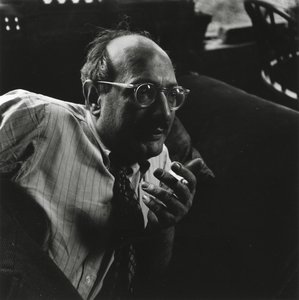
1903 - 1970 , Letonia


Manténgase al día con las últimas noticias de arte, ofertas exclusivas e ideas de decoración.
Cuéntanos sobre tu proyecto y nuestros expertos en arte te ofrecerán 3 sugerencias de obras personalizadas.
Dejamos que nosotros seleccionemos 3 opciones exclusivas para ti – ¡Gratis!


 Vista previa
 Compartir
 Compartir
 Ver detalles

 Descargar
 Ver similares
 Radiografía
 Presentación de diapositivas
 Leer más