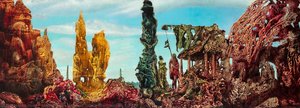
Impresiones giclée o en lienzo de calidad de museo con producción rápida y opciones de acabado flexibles. ( Encargar reproducción pintada a mano Comprar descarga)





























Elija entre nuestros tamaños predefinidos que respetan las proporciones originales de la obra.

Puede introducir sus propias dimensiones para adaptarse a un marco o espacio específico. Si el tamaño seleccionado no coincide con las proporciones de la imagen original, recortaremos la obra de arte o extenderemos la imagen con un borde con efecto espejo o de color sólido. Se enviará una maqueta digital para su aprobación antes de que comience la producción.
Tenga en cuenta que la vista previa en pantalla no refleja el recorte o la extensión real. Solo la maqueta mostrará con precisión la composición final.
Aunque existen tamaños personalizados, recomendamos seleccionar una dimensión de la lista predefinida para preservar las proporciones originales.
Envío a todo el mundo () en 2 semanas en lugar de las 4/5 semanas estándar. (14 agosto)


Buste d'oiseau
Tamaño de la reproducción
Max Ernst’s “Buste d'oiseau” presents a captivating enigma, a visual meditation on form, symbolism, and the unsettling beauty of the subconscious. The painting immediately draws the eye to its stark composition: a dominant moon rendered in a deep charcoal hue, punctuated by a central black circle that suggests both void and potential. Superimposed upon this celestial backdrop are several circles – white, smaller, and strategically placed – creating a layered effect reminiscent of dreams or fragmented memories. Three birds, delicately positioned within the scene, add to the painting’s surreal quality, their forms echoing the circular motifs and contributing to an overall sense of disorientation and wonder.
Born in Brühl, Germany, in 1891, Max Ernst was a key figure in the development of Surrealism. His artistic journey was characterized by a deliberate rejection of academic conventions and a deep engagement with psychoanalysis, particularly the theories of Sigmund Freud. Ernst sought to tap into the realm of the unconscious mind, believing that art should not merely represent reality but rather reveal hidden truths and anxieties. “Buste d'oiseau” exemplifies this approach; it’s less about literal representation and more about evoking a feeling, an atmosphere of mystery and psychological depth. His academic background – encompassing philosophy, art history, literature, psychology, and psychiatry – provided him with the intellectual tools to explore these themes with remarkable precision.
The imagery within “Buste d'oiseau” is rich in symbolic potential. The moon, a recurring motif in Ernst’s work, often represents the feminine principle, intuition, and the cyclical nature of time. The circles, with their ambiguous forms, can be interpreted as representing wholeness, unity, or perhaps the fragmented aspects of consciousness. The birds themselves are frequently associated with freedom, spirituality, and transformation – qualities that resonate strongly within Ernst’s oeuvre. Their placement within the lunar landscape suggests a yearning for transcendence, a desire to escape the constraints of the rational world.
Ernst employed a variety of techniques in his work, often combining painting with collage and frottage (rubbing) to achieve unexpected effects. “Buste d'oiseau” likely showcases his mastery of oil paint, utilizing subtle gradations of tone to create the illusion of depth and texture. The deliberate imperfections and textural qualities contribute to the painting’s dreamlike atmosphere. It is believed that Ernst utilized techniques such as decalcomania – a process where paint is transferred from one surface to another – to generate some of the more abstract forms within the composition, further enhancing its surreal quality. The overall effect is one of controlled chaos, reflecting the complexities of the human psyche.
None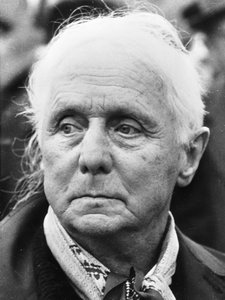
1891 - 1976 , Alemania

Discover BuyPopArt.com's premium poster prints. Featuring 12-color pigment technology and museum-grade substrates, our versatile, high-fidelity prints offer vivid colors and archival quality for sophisticated modern decor. Elevate your space with professional art solutions.


Manténgase al día con las últimas noticias de arte, ofertas exclusivas e ideas de decoración.
Cuéntanos sobre tu proyecto y nuestros expertos en arte te ofrecerán 3 sugerencias de obras personalizadas.
Dejamos que nosotros seleccionemos 3 opciones exclusivas para ti – ¡Gratis!


 Vista previa
 Compartir
 Compartir
 Ver detalles

 Descargar
 Ver similares
 Radiografía
 Presentación de diapositivas

 Leer más







 La opción de vidrio solo está disponible en tamaños inferiores a 110 cm.