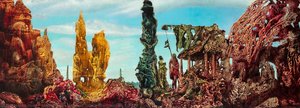
Impresiones giclée o en lienzo de calidad de museo con producción rápida y opciones de acabado flexibles. ( Encargar reproducción pintada a mano Comprar descarga)





























Elija entre nuestros tamaños predefinidos que respetan las proporciones originales de la obra.

Puede introducir sus propias dimensiones para adaptarse a un marco o espacio específico. Si el tamaño seleccionado no coincide con las proporciones de la imagen original, recortaremos la obra de arte o extenderemos la imagen con un borde con efecto espejo o de color sólido. Se enviará una maqueta digital para su aprobación antes de que comience la producción.
Tenga en cuenta que la vista previa en pantalla no refleja el recorte o la extensión real. Solo la maqueta mostrará con precisión la composición final.
Aunque existen tamaños personalizados, recomendamos seleccionar una dimensión de la lista predefinida para preservar las proporciones originales.
Envío a todo el mundo () en 2 semanas en lugar de las 4/5 semanas estándar. (18 agosto)


La Ciudad Completa
Tamaño de la reproducción
Max Ernst’s “The Entire City,” painted in 1934, stands as a cornerstone of Dada and Surrealism—a visual manifesto rejecting rational thought and embracing the unsettling beauty of chance. More than just an image; it's a distillation of anxieties surrounding modernity, technological advancement, and the looming shadow of fascism.
Ernst’s artistic journey began with a profound engagement with philosophy and psychology, equipping him to challenge conventional artistic conventions. He wasn't merely interested in replicating reality; he sought to unlock the subconscious mind—a preoccupation that would permeate his oeuvre.
The painting’s landscape is dominated by a colossal cityscape rendered in muted tones, fractured and distorted like crumbling ruins. Ernst employed grattage – scraping paint across textured surfaces – alongside collage techniques to generate an atmosphere of disintegration. This deliberate disruption mirrors the Dadaist rejection of order and precision.
"The Entire City" reflects the pervasive fear of societal collapse during Ernst’s time. The mountainous backdrop symbolizes oppressive forces—perhaps referencing the looming threat of Nazi Germany. The scattered figures represent humanity grappling with an incomprehensible environment. Ernst's use of symbolism isn’t didactic; it invites contemplation about our relationship to power and vulnerability.
The Tate Modern houses a remarkable collection of Ernst’s works, offering visitors a chance to immerse themselves in his visionary imagination. For deeper exploration, BuyPopArt provides biographical information and detailed artwork analyses: https://BuyPopArt.com
"The Entire City" profoundly impacted the trajectory of modern art, paving the way for Surrealism’s exploration of dreams and irrationality. Its unsettling imagery continues to resonate today—a testament to Ernst's ability to capture the anxieties of his era and transform them into enduring artistic expression.
Discover more about Max Ernst and Dada on Wikipedia: https://Wikipedia.org
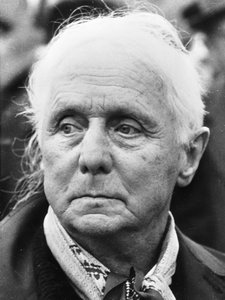
1891 - 1976 , Alemania
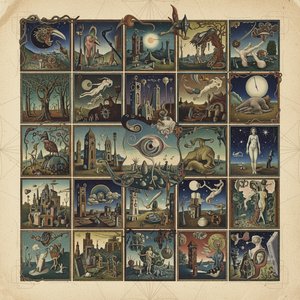
Descubre las 25 obras maestras de Max Ernst, el rey del surrealismo. Explora su arte onírico, técnicas innovadoras y simbolismo profundo. Reproducciones de alta calidad para decorar tu hogar con estilo en BuyPopArt.com
Descubre los 10 paisajes más emblemáticos de la historia del arte, desde Monet a Van Gogh. Explora su significado, técnica y belleza atemporal. Encuentra reproducciones de alta calidad e inspira tu hogar con BuyPopArt.com.
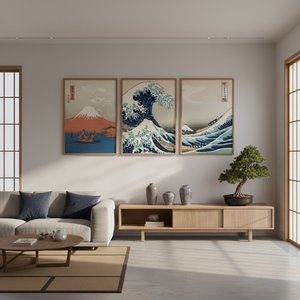
Descubre las 25 obras maestras de Katsushika Hokusai, el genio del ukiyo-e. Explora 'La Gran Ola', paisajes japoneses y su impacto en el arte moderno. Reproducciones de alta calidad para tu hogar en BuyPopArt.com.

Explore the evolution of cityscape painting from Realism to contemporary art with BuyPopArt. Discover key artists & invest in timeless urban visions. Expert guidance, museum-quality reproductions.

Descubre los 10 paisajes románticos más influyentes de artistas como Caspar David Friedrich y Turner. Explora la belleza, el simbolismo y las técnicas del movimiento romántico. Reproducciones de arte exclusivas en BuyPopArt.com.


Manténgase al día con las últimas noticias de arte, ofertas exclusivas e ideas de decoración.
Cuéntanos sobre tu proyecto y nuestros expertos en arte te ofrecerán 3 sugerencias de obras personalizadas.
Dejamos que nosotros seleccionemos 3 opciones exclusivas para ti – ¡Gratis!


 Vista previa
 Compartir
 Compartir
 Ver detalles

 Descargar
 Ver similares
 Radiografía
 Presentación de diapositivas
 Leer más







 La opción de vidrio solo está disponible en tamaños inferiores a 110 cm.