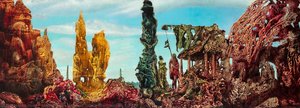
Impresiones giclée o en lienzo de calidad de museo con producción rápida y opciones de acabado flexibles. ( Encargar reproducción pintada a mano Comprar descarga)





























Elija entre nuestros tamaños predefinidos que respetan las proporciones originales de la obra.

Puede introducir sus propias dimensiones para adaptarse a un marco o espacio específico. Si el tamaño seleccionado no coincide con las proporciones de la imagen original, recortaremos la obra de arte o extenderemos la imagen con un borde con efecto espejo o de color sólido. Se enviará una maqueta digital para su aprobación antes de que comience la producción.
Tenga en cuenta que la vista previa en pantalla no refleja el recorte o la extensión real. Solo la maqueta mostrará con precisión la composición final.
Aunque existen tamaños personalizados, recomendamos seleccionar una dimensión de la lista predefinida para preservar las proporciones originales.
Envío a todo el mundo () en 2 semanas en lugar de las 4/5 semanas estándar. (13 agosto)


untitled (1997)
Tamaño de la reproducción
Max Ernst’s “The Birds,” completed in 1924, stands as an emblem of the Dada and Surrealist movements—a defiant rejection of rational thought and a fervent embrace of subconscious imagery. More than just a painting; it's a meticulously crafted manifesto of artistic liberation, reflecting Ernst’s profound skepticism towards bourgeois values and his fascination with primal instincts.
Ernst pioneered the technique of “frottage,” rubbing a textured surface—often paper or wood—with wax crayons to transfer its patterns onto another sheet. This process, combined with collage—assembling disparate materials like newspaper clippings, fabric scraps, and painted fragments—created an astonishingly complex visual tapestry. The resulting image isn’t merely observed; it's actively participated in by the viewer, inviting them into Ernst’s dreamlike realm.
"The Birds" emerged during Dada’s tumultuous period (1916-1923), a movement born from the horrors of World War I. Dada artists deliberately undermined artistic conventions, embracing absurdity and chance as tools for critique. They questioned established hierarchies—challenging notions of beauty, skill, and intellectual authority—and sought to dismantle societal illusions.
The painting’s central motif – a flock of birds dominating the composition – transcends literal representation. Ernst drew inspiration from ornithologist Oskar Kokoschka's research on bird behavior, interpreting their movements as symbolic of primal instincts and transformative processes. The birds aren’t merely decorative elements; they embody the artist’s belief in the power of subconscious forces to reshape perception.
"The Birds" exudes an unsettling atmosphere—a palpable sense of anxiety mingled with yearning. Ernst skillfully employs muted colors—primarily ochre, brown, and gray—to convey a feeling of desolate beauty. The fragmented landscape evokes the psychological turmoil experienced during the war years, mirroring Ernst’s own inner struggles. Yet, amidst the darkness lies a glimmer of hope—represented by the birds' upward trajectory, symbolizing aspiration and the possibility of transcendence.
A stunning reproduction of “The Birds” captures the essence of Ernst’s visionary style—a testament to his enduring influence on Surrealist art and a captivating glimpse into the depths of the human psyche.

1891 - 1976 , Alemania
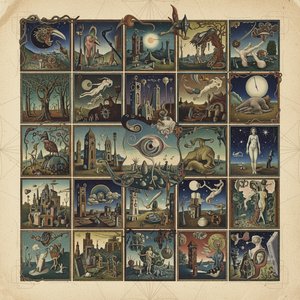
Descubre las 25 obras maestras de Max Ernst, el rey del surrealismo. Explora su arte onírico, técnicas innovadoras y simbolismo profundo. Reproducciones de alta calidad para decorar tu hogar con estilo en BuyPopArt.com
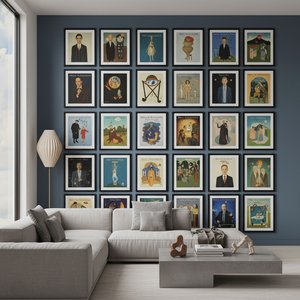
Descubre las 25 obras maestras de René Magritte, el rey del surrealismo. Explora su arte moderno, significado oculto y técnica única. Encuentra reproducciones de alta calidad e inspira tu hogar con BuyPopArt.com.

Embark on a journey through the subconscious with our expert guide to Surrealism. Discover the profound symbolism of masters like Dalí and Ernst, exploring how dreamlike imagery reshaped art history and continues to inspire collectors and enthusiasts worldwide.

Explore the captivating world of Pop Surrealism. Discover how vibrant Pop Art meets dreamlike subconscious imagery through the works of masters like Jeff Soto and Ryan Heshka. An expert guide for discerning collectors seeking to understand this profound contemporary art movement.
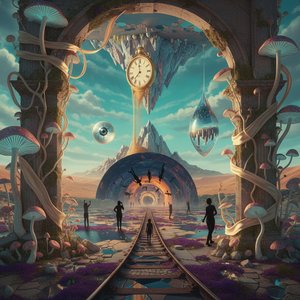
Explore the fascinating world of Surrealism! Discover its origins, key artists like Dalí & Magritte, and enduring influence on art & culture. Expert insights & high-quality reproductions at BuyPopArt.


Manténgase al día con las últimas noticias de arte, ofertas exclusivas e ideas de decoración.
Cuéntanos sobre tu proyecto y nuestros expertos en arte te ofrecerán 3 sugerencias de obras personalizadas.
Dejamos que nosotros seleccionemos 3 opciones exclusivas para ti – ¡Gratis!


 Vista previa
 Compartir
 Compartir
 Ver detalles

 Descargar
 Ver similares
 Radiografía
 Presentación de diapositivas
 Leer más







 La opción de vidrio solo está disponible en tamaños inferiores a 110 cm.