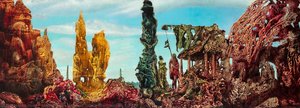
Impresiones giclée o en lienzo de calidad de museo con producción rápida y opciones de acabado flexibles. ( Encargar reproducción pintada a mano Comprar descarga)





























Elija entre nuestros tamaños predefinidos que respetan las proporciones originales de la obra.

Puede introducir sus propias dimensiones para adaptarse a un marco o espacio específico. Si el tamaño seleccionado no coincide con las proporciones de la imagen original, recortaremos la obra de arte o extenderemos la imagen con un borde con efecto espejo o de color sólido. Se enviará una maqueta digital para su aprobación antes de que comience la producción.
Tenga en cuenta que la vista previa en pantalla no refleja el recorte o la extensión real. Solo la maqueta mostrará con precisión la composición final.
Aunque existen tamaños personalizados, recomendamos seleccionar una dimensión de la lista predefinida para preservar las proporciones originales.
Envío a todo el mundo () en 2 semanas en lugar de las 4/5 semanas estándar. (15 agosto)


untitled (3252)
Tamaño de la reproducción
Max Ernst’s “untitled (3252)” isn't merely a painting; it’s an immersion into the fractured psyche, a visual echo of anxieties and intellectual pursuits that defined the early 20th century. The image – a figure enveloped in a swirling blue void, surrounded by what appear to be fragmented faces – immediately commands attention with its unsettling beauty. It’s a work born from a profound engagement with the burgeoning field of psychology, particularly Freud's theories on the unconscious, and a desire to represent not just outward appearance but the complex, often contradictory, inner landscape of the human mind.

Ernst was a key figure in the development of Surrealism, a movement that emerged from the ashes of World War I as a direct reaction against the perceived failures of rational thought. Influenced heavily by Dada – a deliberately anti-art movement characterized by chaos and absurdity – Ernst sought to liberate art from the constraints of representation and logic. “untitled (3252)” embodies this spirit perfectly, employing techniques like automatism – spontaneous drawing or painting without conscious control – to tap into the subconscious and reveal hidden truths. The blue background isn’t simply a color choice; it represents the vast, unknowable depths of the unconscious mind, a space where reason dissolves and dreams take hold.
The painting's technique is characterized by layered applications of oil paint, creating a textured surface that adds to its unsettling quality. Ernst’s meticulous brushwork, combined with the deliberate distortion of form, generates a sense of unease. The central figure, seemingly constructed from multiple faces, suggests a disintegration of identity – a common theme in Surrealist art. The arrangement is deliberately chaotic yet carefully balanced; it's not random but meticulously crafted to evoke a specific emotional response. Note the subtle use of perspective, creating an illusion of depth within the confined space, further enhancing the feeling of disorientation.
The multiple faces surrounding the central figure are open to interpretation, but they likely represent the various facets of the self – memories, desires, fears, and suppressed emotions. The bird, a recurring motif in Ernst's work, often symbolizes freedom or escape, yet here it seems trapped within the blue void, suggesting a struggle for liberation. “untitled (3252)” can be seen as a deeply personal exploration of Ernst’s own anxieties and intellectual struggles, reflecting his fascination with psychology and his desire to understand the hidden forces that shape human behavior. It's a testament to the power of art to confront uncomfortable truths and challenge conventional perceptions.
Max Ernst’s “untitled (3252)” stands as a pivotal work in the history of 20th-century art, demonstrating the profound impact of Surrealism on artistic expression. Its exploration of the subconscious, its innovative techniques, and its haunting imagery continue to resonate with viewers today. Reproductions like this offer a unique opportunity to experience the power of Ernst’s vision – a reminder that true beauty can be found in the unsettling, the fragmented, and the profoundly human.
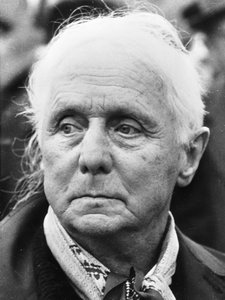
1891 - 1976 , Alemania
Descubre las 25 obras maestras de Max Ernst, el rey del surrealismo. Explora su arte onírico, técnicas innovadoras y simbolismo profundo. Reproducciones de alta calidad para decorar tu hogar con estilo en BuyPopArt.com
Descubre las 25 obras maestras de René Magritte, el rey del surrealismo. Explora su arte moderno, significado oculto y técnica única. Encuentra reproducciones de alta calidad e inspira tu hogar con BuyPopArt.com.

Descubre las 25 obras maestras de Marc Chagall, el pintor del sueño y la fantasía. Explora su arte moderno, surrealismo y vibrante paleta de colores en BuyPopArt.com. Reproducciones de alta calidad para decorar tu hogar con belleza.

Explore the captivating world of Pop Surrealism. Discover how vibrant Pop Art meets dreamlike subconscious imagery through the works of masters like Jeff Soto and Ryan Heshka. An expert guide for discerning collectors seeking to understand this profound contemporary art movement.

Embark on a journey through the subconscious with our expert guide to Surrealism. Discover the profound symbolism of masters like Dalí and Ernst, exploring how dreamlike imagery reshaped art history and continues to inspire collectors and enthusiasts worldwide.


Manténgase al día con las últimas noticias de arte, ofertas exclusivas e ideas de decoración.
Cuéntanos sobre tu proyecto y nuestros expertos en arte te ofrecerán 3 sugerencias de obras personalizadas.
Dejamos que nosotros seleccionemos 3 opciones exclusivas para ti – ¡Gratis!


 Vista previa
 Compartir
 Compartir
 Ver detalles

 Descargar
 Ver similares
 Radiografía
 Presentación de diapositivas

 Leer más







 La opción de vidrio solo está disponible en tamaños inferiores a 110 cm.