

 Acrylic On CanvasWallArtColor Field Painting
 1961
1961 260.0 x 449.0 cm
 Museo de Arte de Cleveland
Impresiones giclée o en lienzo de calidad de museo con producción rápida y opciones de acabado flexibles. ( Cambiar a pintura hecha a mano Cambiar a imagen)





























Elija entre nuestros tamaños predefinidos que respetan las proporciones originales de la obra.

Puede introducir sus propias dimensiones para adaptarse a un marco o espacio específico. Si el tamaño seleccionado no coincide con las proporciones de la imagen original, recortaremos la obra de arte o extenderemos la imagen con un borde con efecto espejo o de color sólido. Se enviará una maqueta digital para su aprobación antes de que comience la producción.
Tenga en cuenta que la vista previa en pantalla no refleja el recorte o la extensión real. Solo la maqueta mostrará con precisión la composición final.
Aunque existen tamaños personalizados, recomendamos seleccionar una dimensión de la lista predefinida para preservar las proporciones originales.
Envío a todo el mundo () en 2 semanas en lugar de las 4/5 semanas estándar. (8 agosto)


Delta Lambda
Tamaño de la reproducción
Morris Louis's “Delta Lambda,” painted in 1961, isn’t merely a canvas adorned with color; it’s an invitation to lose oneself within a flowing, ethereal landscape. This monumental work, measuring nearly six feet tall and over four and a half feet wide, embodies the core tenets of Color Field painting – a movement that sought to elevate color itself to the status of subject matter, divorced from representational imagery. Louis, a pivotal figure in this aesthetic revolution, masterfully employed a technique he pioneered: staining thin washes of acrylic paint directly onto unprimed canvas, allowing the colors to bleed and mingle organically, creating an illusion of depth and movement that defies traditional perspective.
The painting’s composition is strikingly asymmetrical. Two distinct streams of color – vibrant yellows, greens, blues, and reds – emerge from the lower corners, gracefully ascending towards a central point before subtly dissolving into the surrounding white expanse. This deliberate imbalance isn't haphazard; it generates a dynamic tension, drawing the viewer’s eye along the converging pathways while simultaneously suggesting an infinite space beyond the confines of the canvas. The stark contrast between the saturated colors and the pristine white background amplifies the luminosity of each hue, creating a visual experience that is both intense and serene.
Louis’s process was remarkably unconventional for its time. He rejected the traditional layering of paint, opting instead to apply multiple thin washes directly onto the canvas, allowing them to interact and bleed into one another. This technique, coupled with his use of Magna acrylic paint – a revolutionary medium developed specifically for him by Leo Sebak – resulted in a remarkable transparency. The colors don’t simply cover the surface; they seem to float within it, revealing glimpses of the underlying white canvas beneath. Close inspection might reveal subtle variations in the layering process, but the overall effect is one of seamless fluidity and effortless grace.
The artist's deliberate choice to work on unprimed canvas was crucial to achieving this ethereal quality. The paint penetrated the fibers of the fabric, creating a unique textural interplay that further enhanced the sense of depth and movement. It’s a testament to Louis’s intuitive understanding of material properties – he wasn’t simply applying color; he was conducting an alchemical experiment, transforming the very essence of pigment into light and atmosphere.
While “Delta Lambda” resists definitive interpretation, its evocative power lies in its ability to tap into primal emotions. The flowing colors can be seen as representing natural phenomena – water currents, shifting skies, or the dappled light filtering through leaves. However, Louis himself resisted assigning specific meanings to his works, preferring that viewers derive their own interpretations from the experience of looking at them. The asymmetrical composition and the sense of infinite space suggest a journey inward, inviting contemplation and reflection.
Furthermore, the painting’s origins within the context of 1960s America – a period of social upheaval and artistic experimentation – imbue it with an added layer of significance. Louis's work can be viewed as a rejection of traditional representational art, embracing instead the pure sensory experience of color. It reflects a desire to break free from the constraints of the past and explore new possibilities for artistic expression.
BuyPopArt’s meticulously crafted reproductions capture the essence of “Delta Lambda” with remarkable fidelity, allowing art lovers to experience its beauty and complexity in their own homes. The careful attention to detail ensures that the transparency and luminosity of Louis's original technique are faithfully reproduced, creating a stunning visual statement. Whether displayed as a centerpiece or incorporated into a broader interior design scheme, this iconic work continues to inspire and captivate audiences worldwide.

1912 - 1962 , Estados Unidos de América
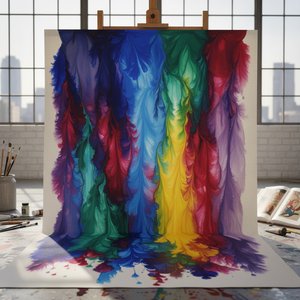
Explore the groundbreaking abstract expressionism of Morris Louis, a pioneer of Color Field painting. Discover his innovative techniques, influential series & lasting legacy in post-war American art. Learn more at BuyPopArt.

Explore the captivating world of Paul Jenkins, a pioneer of abstract expressionism & color field painting. Discover his unique ‘Phenomena’ series and investment potential for art collectors. Expert insights at BuyPopArt.

Descubra la evolución y el impacto de la pintura Color Field. Análisis experto de Rothko, Newman y otros maestros. Guía para coleccionistas exigentes en BuyPopArt.

Explore the vibrant world of Gene Davis and the Washington Color School. Discover his iconic stripe paintings, innovative techniques, and lasting impact on American abstract art. A deep dive for collectors & enthusiasts.
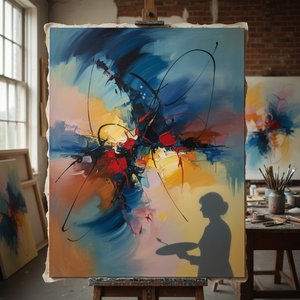
Explore the captivating world of Beatrice Parsons, a pioneering British abstract expressionist. Discover her journey from garden watercolors to evocative color field paintings and learn about her place within art history.


Manténgase al día con las últimas noticias de arte, ofertas exclusivas e ideas de decoración.
Cuéntanos sobre tu proyecto y nuestros expertos en arte te ofrecerán 3 sugerencias de obras personalizadas.
Dejamos que nosotros seleccionemos 3 opciones exclusivas para ti – ¡Gratis!


 Vista previa
 Compartir
 Compartir
 Ver detalles

 Descargar
 Ver similares
 Radiografía
 Presentación de diapositivas
 Leer más







 La opción de vidrio solo está disponible en tamaños inferiores a 110 cm.


