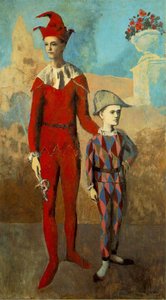
Óleo sobre lienzo pintado a mano en el tamaño y marco de su elección, realizado por encargo por nuestros artistas. ( Cambiar a impresión Cambiar a imagen)





























Elija entre nuestros tamaños predefinidos que respetan las proporciones originales de la obra.

Puede ingresar sus propias dimensiones para adaptarse a un marco o espacio específico. Si el tamaño seleccionado no coincide con las proporciones de la imagen original, recortaremos la obra o extenderemos la pintura con elementos adicionales pintados a mano. Se le enviará una maqueta digital para su aprobación antes de comenzar la producción.
Tenga en cuenta que la vista previa en pantalla no refleja el recorte o la extensión reales. Solo la maqueta mostrará con precisión la composición final.
Si bien existen tamaños personalizados, recomendamos seleccionar una dimensión de la lista predefinida para preservar las proporciones originales.
Envío a todo el mundo () en 3-4 semanas en lugar de las 5 semanas estándar. (2 agosto). Sin comprometer la calidad.


Claude Writing
Tamaño de la reproducción
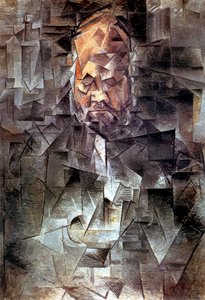
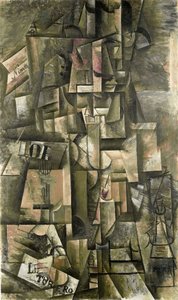
Pablo Picasso’s “Claude Writing,” painted in 1913 during the height of Synthetic Cubism, isn't merely a portrait; it’s an exploration of perception itself. Created amidst the fervor of artistic innovation—a movement spearheaded by Picasso alongside Georges Braque—the painting transcends simple representation, delving into the complexities of capturing fleeting moments and subjective experience.
The artwork depicts Claude Monet, renowned Impressionist painter, seated at his desk, attempting to write. Picasso’s masterful use of collage is immediately striking. Fragments of newspaper – a deliberate choice reflecting the anxieties of the time—are interwoven with geometric shapes and textures, disrupting traditional perspective. This technique embodies the core principles of Cubism: breaking down objects into constituent parts and presenting them simultaneously from multiple viewpoints.
Beyond its formal innovations, “Claude Writing” resonates with deeper symbolic meanings. The act of writing itself represents creativity, intellectual pursuit, and the desire to communicate ideas—themes central to Monet’s artistic legacy. Picasso's decision to portray Monet in this vulnerable posture speaks to the artist’s own struggles for self-expression and his unwavering commitment to capturing the essence of human experience.
The painting finds its place within a broader historical context – the turbulent years leading up to World War I. Cubism emerged as a reaction against academic conventions, reflecting a desire for artistic freedom and experimentation. Its influence extended far beyond Picasso’s studio, shaping movements like Futurism and Surrealism and fundamentally altering the trajectory of modern art.
“Claude Writing” resides prominently in the Museo Thyssen-Bornemisza in Madrid, Spain—a testament to Picasso's enduring impact on European artistic heritage. Visiting this museum offers a chance to immerse oneself in the vibrant tapestry of Impressionism and Cubism, appreciating masterpieces that continue to inspire awe and contemplation.
To gain a deeper understanding of Cubism's transformative influence on art history, delve into Wikipedia’s comprehensive article: Cubism. This resource provides invaluable insights into the movement’s theoretical underpinnings and its lasting legacy.
Finally, consider exploring Pablo Picasso's broader oeuvre on BuyPopArt.com: Pablo Picasso – a journey through one of the most prolific and visionary artists of the 20th century.
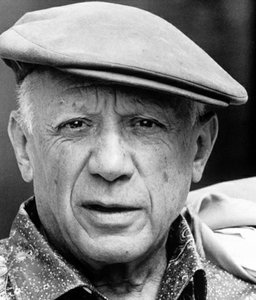
1881 - 1973 , España

Descubre la historia y el legado de la pintura académica. Analizamos sus técnicas, ideología, artistas clave como Klimt y Manet, y su influencia perdurable en el arte. ¡Un recorrido experto!

Descubre los 10 lienzos cubistas que revolucionaron el arte moderno. Explora la historia de Picasso, Braque y otros maestros del cubismo en . Reproducciones de alta calidad para tu hogar.

Descubre los 10 retratos cubistas esenciales de Picasso, Braque y otros maestros. Explora la historia, técnica y significado de este revolucionario movimiento artístico. Encuentra reproducciones de arte exclusivas en BuyPopArt.com.

Descubre las 25 obras maestras de Georges Braque, pionero del cubismo. Explora su innovadora técnica, colores y el legado del arte moderno francés. Reproducciones de alta calidad en BuyPopArt.com. ¡Encuentra tu inspiración!

Transforme sus fotos en obras de arte atemporales con pinturas al óleo hechas a mano por artistas expertos. Calidad museo, personalización total y un legado para generaciones. ¡Solicite su presupuesto!


Manténgase al día con las últimas noticias de arte, ofertas exclusivas e ideas de decoración.
Cuéntanos sobre tu proyecto y nuestros expertos en arte te ofrecerán 3 sugerencias de obras personalizadas.
Seleccionamos 3 opciones exclusivas para ti – ¡Gratis!


 Vista previa
 Compartir
 Compartir
 Ver detalles

 Descargar
 Ver similares
 Radiografía
 Presentación de diapositivas

 Leer más







 La opción de vidrio solo está disponible en tamaños inferiores a 110 cm.