

 Óleo sobre tablaAlto Renacimiento
 1502Renacimiento
 281.0 x 165.0 cm
 Galería Nacional
Impresiones giclée o en lienzo de calidad de museo con producción rápida y opciones de acabado flexibles. ( Encargar reproducción pintada a mano Comprar descarga)





























Elija entre nuestros tamaños predefinidos que respetan las proporciones originales de la obra.

Puede introducir sus propias dimensiones para adaptarse a un marco o espacio específico. Si el tamaño seleccionado no coincide con las proporciones de la imagen original, recortaremos la obra de arte o extenderemos la imagen con un borde con efecto espejo o de color sólido. Se enviará una maqueta digital para su aprobación antes de que comience la producción.
Tenga en cuenta que la vista previa en pantalla no refleja el recorte o la extensión real. Solo la maqueta mostrará con precisión la composición final.
Aunque existen tamaños personalizados, recomendamos seleccionar una dimensión de la lista predefinida para preservar las proporciones originales.
Envío a todo el mundo () en 2 semanas en lugar de las 4/5 semanas estándar. (16 agosto)


Crucifixión
Tamaño de la reproducción
Raffaello Sanzio da Urbino, known to the world as Raphael, emerged from a remarkably fertile cultural landscape. Born in 1483 within the walls of Urbino, a small but intellectually vibrant city-state in central Italy, his earliest years were steeped in an atmosphere that prized both artistic skill and humanist learning. His father, Giovanni Santi, was not merely a painter employed by Duke Federico da Montefeltro—he was a man deeply engaged with the currents of Renaissance thought, a poet who chronicled the Duke’s life and actively sought out innovative artistic ideas from across Italy and beyond. This immersion in a courtly environment, one that valued refinement and intellectual discourse, profoundly shaped the young Raphael's sensibilities.
The loss of his father at age eleven thrust responsibility upon him, but also provided an opportunity to hone his skills within the family workshop, absorbin ## Compositional Harmony and Artistic Style
The composition is remarkably balanced, a hallmark of Raphael’s style. Christ occupies the central focus, yet the surrounding figures – angels, mourners, and witnesses – are arranged in a harmonious manner that draws the eye throughout the scene. Raphael’s mastery of perspective creates depth, while his use of *sfumato*—a subtle blending of colors—softens forms and lends an ethereal quality to the work. The painting exemplifies High Renaissance characteristics: realism achieved through anatomical accuracy, idealized beauty in the figures, and a focus on emotional expression. It's a clear departure from earlier, more stylized depictions of this biblical scene.
## Symbolism Woven into the NarrativeBeyond its immediate depiction of the crucifixion, *The Crucifixion* is rich with symbolic meaning. Three birds are prominently featured, often interpreted as representing the Holy Spirit and the souls of the righteous ascending to heaven. Perhaps most intriguing is the inclusion of a clock in the upper left corner. This detail has sparked debate among art historians; it could symbolize the passage of time leading up to Christ’s death, or represent the precise moment of sacrifice. The *INRI* inscription—Jesus Nazarene, King of the Jews—is clearly visible on the cross, reinforcing the narrative's religious core.
## Historical Context and Renaissance IdealsCreated during a period of immense artistic flourishing in Italy, Raphael’s *Cruifixion* reflects the humanist spirit of the Renaissance. Artists were increasingly interested in portraying human emotion and experience alongside traditional religious themes. Raphael, along with contemporaries like Leonardo da Vinci and Michelangelo, pushed the boundaries of artistic technique and subject matter. This painting demonstrates a shift towards more naturalistic representations and a greater emphasis on individual expression within a sacred context. While influenced by artists such as Taddeo Gaddi and Hieronymus Bosch in terms of broader Renaissance ideals, Raphael forged his own distinct style characterized by grace and clarity.
## Emotional Resonance and Enduring Appeal*The Crucifixion* is not merely a historical or religious artwork; it’s an emotionally resonant experience. Raphael captures the profound sorrow and sacrifice inherent in the scene, inviting viewers to connect with the suffering of Christ and the grief of those who witnessed his death. The painting's enduring appeal lies in its ability to evoke empathy and inspire contemplation on universal themes of faith, mortality, and hope. It remains a powerful testament to Raphael’s artistic genius and his profound understanding of the human condition.
Raffaello Sanzio da Urbino, known to the world as Raphael, emerged from a remarkably fertile cultural landscape. Born in 1483 within the walls of Urbino, a small but intellectually vibrant city-state in central Italy, his earliest years were steeped in an atmosphere that prized both artistic skill and humanist learning. His father, Giovanni Santi, was not merely a painter employed by Duke Federico da Montefeltro—he was a man deeply engaged with the currents of Renaissance thought, a poet who chronicled the Duke’s life and actively sought out innovative artistic ideas from across Italy and beyond. This immersion in a courtly environment, one that valued refinement and intellectual discourse, profoundly shaped the young Raphael's sensibilities.
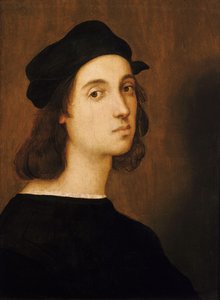
1483 - 1520 , Italia

Master the art of impact with our expert guide to oil on panel. Discover how impasto textures and heavy-body pigments create 3D depth and bold visual energy for modern interiors. Elevate your space with high-impact, hand-painted masterpieces designed for maximum aesthetic punch.

Discover why oil on panel is the ultimate power move for modern collectors. Master the secrets of impasto texture and architectural depth to transform your space with high-impact, sculptural contemporary art that demands attention.


Manténgase al día con las últimas noticias de arte, ofertas exclusivas e ideas de decoración.
Cuéntanos sobre tu proyecto y nuestros expertos en arte te ofrecerán 3 sugerencias de obras personalizadas.
Dejamos que nosotros seleccionemos 3 opciones exclusivas para ti – ¡Gratis!


 Vista previa
 Compartir
 Compartir
 Ver detalles

 Descargar
 Ver similares
 Radiografía
 Presentación de diapositivas
 Leer más







 La opción de vidrio solo está disponible en tamaños inferiores a 110 cm.


