Impresión giclée o en lienzo de calidad de museo con producción rápida y opciones de acabado flexibles. ( Switch to hand made Painting Switch to Image)
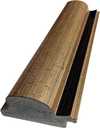
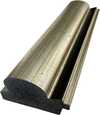
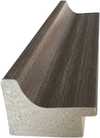

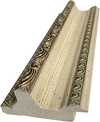




Elija entre nuestros tamaños predefinidos que respetan las proporciones originales de la obra.

Puede introducir sus propias dimensiones para adaptarse a un marco o espacio específico. Si el tamaño seleccionado no coincide con las proporciones de la imagen original, recortaremos la obra de arte o extenderemos la imagen con un borde con efecto espejo o de color sólido. Se enviará una maqueta digital para su aprobación antes de que comience la producción.
Tenga en cuenta que la vista previa en pantalla no refleja el recorte o la extensión real. Solo la maqueta mostrará con precisión la composición final.
Aunque existen tamaños personalizados, recomendamos seleccionar una dimensión de la lista predefinida para preservar las proporciones originales.
Entrega mundial () en 2 semanas en lugar de las 4/5 semanas estándar. (28 julio)


Small explosion
Tamaño de la reproducción
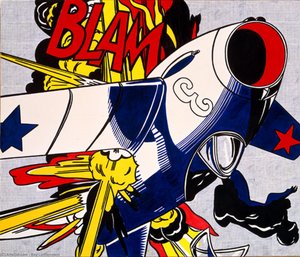
Roy Lichtenstein’s “Small Explosion,” painted in 1965, is more than just a depiction of a red circle; it’s a meticulously crafted detonation of Pop Art principles. This deceptively simple image, rendered with the signature techniques of comic book illustration, encapsulates the anxieties and vibrant energy of the mid-20th century. The painting's immediate impact stems from its bold color palette – a stark yellow background dramatically juxtaposed against the assertive red – immediately drawing the viewer into its dynamic composition. Lichtenstein’s masterful use of Ben-Day dots, painstakingly applied to create the illusion of shading and texture, elevates this work beyond mere imitation; it’s an embodiment of the Pop Art movement's fascination with mass production and visual communication.
Born in Manhattan in 1923, Roy Fox Lichtenstein emerged as a key figure during a period of profound cultural change. His artistic journey began with an interest in realistic drawing, nurtured by early exposure to museums and jazz music – experiences that would profoundly shape his later work. Lichtenstein’s formal training at the Art Students League under Reginald Marsh, followed by studies at Ohio State University, provided him with a foundation in traditional techniques before he deliberately rejected them, embracing the visual language of commercial art. The painting "Small Explosion" reflects this deliberate choice – a conscious appropriation and subversion of comic book aesthetics, reflecting the growing influence of popular culture on high art.
The seemingly random arrangement of smaller circles within “Small Explosion” is far from accidental. These repeating forms echo the visual language of comic panels, reinforcing the artwork’s connection to the graphic novel tradition. The central red circle, often interpreted as an explosion or a target, speaks to themes of violence and disruption – anxieties prevalent during the Cold War era. Lichtenstein's meticulous application of Ben-Day dots isn't simply a stylistic choice; it’s a technical demonstration of how mass-produced images are created, highlighting the relationship between art and consumer culture. The painting’s scale further amplifies its impact, demanding attention and inviting contemplation on the nature of representation.
"Small Explosion" remains a powerfully evocative work, demonstrating Lichtenstein's ability to distill complex emotions into a deceptively simple image. Its bold colors, dynamic composition, and technical mastery have secured its place as an iconic piece within the Pop Art canon. This reproduction offers collectors and interior designers alike the opportunity to own a tangible connection to this pivotal moment in art history – a testament to Lichtenstein’s innovative spirit and his enduring influence on contemporary visual culture.


1923 - 1997 , Estados Unidos de América
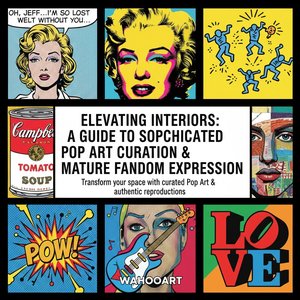
Guía experta para integrar el vibrante Arte Pop en tu hogar con sofisticación. Descubre artistas clave, consejos de decoración y cómo invertir inteligentemente en arte. ¡Transforma tus espacios!
Explora cómo el cine y los cómics inspiran el arte moderno. Descubre reproducciones de alta calidad en y personaliza tu espacio con obras únicas.

Descubre las 25 obras maestras de Joan Miró, el genio del surrealismo catalán. Explora su arte abstracto, colores vibrantes y la historia detrás de cada cuadro. Reproducciones de alta calidad en BuyPopArt.com para transformar tu hogar con arte original.
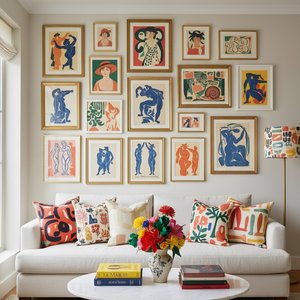
Descubre las 25 obras maestras de Henri Matisse, el rey del color y padre del fauvismo. Explora su arte moderno, lienzos vibrantes y la historia detrás de cada pintura icónica. Encuentra reproducciones de alta calidad en BuyPopArt.com.

Explore the rich symbolism of the red dress in art history! From ancient power displays to iconic portraits like Cézanne’s 'Madame Cezanne', discover the cultural and artistic significance behind this captivating color. Expert analysis & insights.


Manténgase al día con las últimas noticias de arte, ofertas exclusivas e ideas de decoración.
Cuéntanos sobre tu proyecto y nuestros expertos en arte te ofrecerán 3 sugerencias de obras personalizadas.
Permítenos seleccionar 3 opciones solo para ti – ¡Gratis!


 Preview
 Enviar
 Compartir
 Detalles

 Descargar
 Similares
 Radiografía
 Presentación de diapositivas

 Ver más
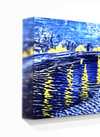
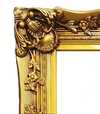
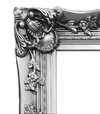
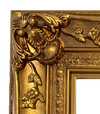
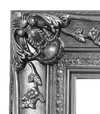
 La opción de vidrio solo está disponible en tamaños inferiores a 110 cm.