Encargar reproducción Encargar reproducciónComprar imagen en alta resolución Comprar imagen en alta resolución EnviarEnviar
DetallesDetalles Añadir a favoritos Añadir a favoritos DescargarDescargar SimilaresSimilares RadiografíaRadiografía Presentación de diapositivasPresentación de diapositivas

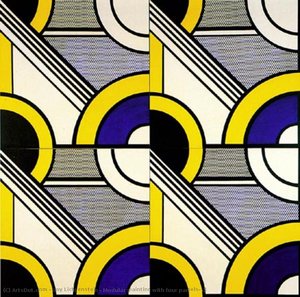
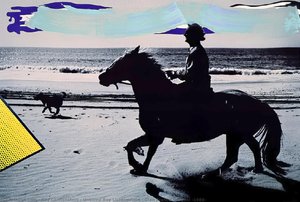
Yellow and withe drip

Bold Pop Art by Roy Lichtenstein captures a striking yellow drip against a white canvas—a vibrant testament to American art history. Explore this iconic 1966 masterpiece and bring its playful aesthetic into your home.

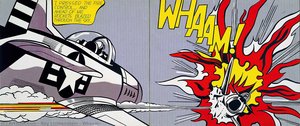
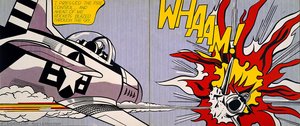
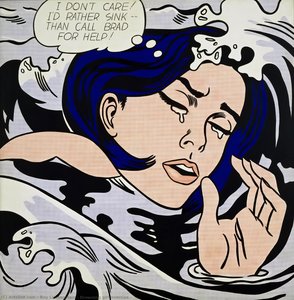
Roy Lichtenstein (1923-1997) fue una figura destacada del arte Pop estadounidense, conocido por sus pinturas icónicas con estilo de cómic que exploran el consumismo y el arte fino. Descubre 'Whaam!', 'Drowning Girl' y más.

Giclée / Impresión de arte

Impresión giclée o en lienzo de calidad de museo con producción rápida y opciones de acabado flexibles.

P118B $10
P118H $10
P118W $10
P438Z $10
P508JH $12
P508YH $12
P805H $10
P805Z $10
P919BZ $10
P919G $10
P919XJ $10
P959ZH $10
P968JZ $12
W106C $8
W218G $10
W218JH $8
W218Y $10
W307PJ $10
W316G $10
W316PJ $8
W316Y $10
W398PJ $8
W4111J $10
W500HY $15
W500JH $15
W692G $12
W849H $8
W940BG $15
W953PJ $8

Standard
custom
CM
INCH

Elija entre nuestros tamaños predefinidos que respetan las proporciones originales de la obra.

ancho
altura

Puede introducir sus propias dimensiones para adaptarse a un marco o espacio específico. Si el tamaño seleccionado no coincide con las proporciones de la imagen original, recortaremos la obra de arte o extenderemos la imagen con un borde con efecto espejo o de color sólido. Se enviará una maqueta digital para su aprobación antes de que comience la producción.
Tenga en cuenta que la vista previa en pantalla no refleja el recorte o la extensión real. Solo la maqueta mostrará con precisión la composición final.
Aunque existen tamaños personalizados, recomendamos seleccionar una dimensión de la lista predefinida para preservar las proporciones originales.

Entrega mundial () en 2 semanas en lugar de las 4/5 semanas estándar. (21 julio)

why_choose_icon
Envío exprés gratuito a todo el mundo
why_choose_icon
Lienzo de lino de alta calidad
why_choose_icon
Seguro de envío total
why_choose_icon
Garantía de reembolso de impuestos aduaneros
why_choose_icon
Garantía de fidelidad de color
why_choose_icon
Política de devolución de 60 días (solo por defectos)
why_choose_icon
Garantía de devolución del 100% del dinero
why_choose_icon
Descuento por pedido múltiple

Precio total

-

reproduction

Yellow and withe drip

Giclée / Impresión de arte

Tamaño de la reproducción

-

Precio total final

-

Descripción de la obra

A Bold Statement Against Tradition: Exploring Roy Lichtenstein’s “Yellow and White Drip”

The painting "Yellow and White Drip," created by Roy Lichtenstein in 1966, stands as a cornerstone of Pop Art—a movement that fundamentally questioned the boundaries between high art and popular culture. More than just a visually striking composition, it embodies Lichtenstein’s deliberate rejection of academic conventions and his embrace of graphic techniques borrowed from commercial illustration. This seemingly simple artwork speaks volumes about the anxieties and aspirations of its time, offering a fascinating glimpse into the artistic dialogues shaping the mid-century landscape.

The Genesis of Pop Art: Contextualizing Lichtenstein's Vision

Born in Manhattan in 1923, Roy Fox Lichtenstein’s artistic journey began with an appreciation for realism honed during his early training at the Art Students League and Ohio State University. However, he swiftly recognized the limitations of traditional methods when confronted by the burgeoning influence of American popular culture—specifically comic strips—during World War II. Artists like Lichtenstein responded to this cultural shift by adopting techniques reminiscent of advertising and printing presses, prioritizing bold colors and halftone dots over meticulous brushstrokes. This stylistic choice wasn’t merely aesthetic; it was a conscious effort to dismantle the elitist hierarchies that had dominated the art world for decades.

Decoding the Visual Language: Technique and Composition

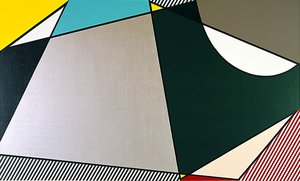
“Yellow and White Drip” exemplifies Lichtenstein's signature technique—the halftone print. This process involves dividing an image into tiny dots of color, varying their density to simulate shading and texture. The resulting effect is remarkably flat and stylized, mimicking the appearance of printed material rather than capturing a naturalistic representation. The stark contrast between the vibrant yellow drip and the pristine white background amplifies this illusion of flatness, emphasizing geometric shapes—specifically green squares—that punctuate the canvas. These squares serve as visual anchors, grounding the dynamic splash of color within a carefully constructed framework.

Symbolism Beyond Surface Appearance: Exploring Lichtenstein’s Intent

While superficially resembling a comic strip panel, “Yellow and White Drip” transcends its source material to convey deeper symbolic meanings. The drip itself can be interpreted as representing spontaneity and disruption—a deliberate antithesis to the precision demanded by academic painting. Furthermore, the repetition of geometric shapes echoes the modernist preoccupation with abstraction, albeit filtered through the lens of commercial imagery. Lichtenstein’s intention wasn't simply to reproduce a visual element; he aimed to provoke contemplation about the relationship between art and everyday life, questioning notions of beauty and originality.

Emotional Resonance: Capturing the Zeitgeist

Ultimately, “Yellow and White Drip” resonates with the emotional landscape of its era—a period marked by postwar optimism tempered by anxieties surrounding nuclear proliferation and societal change. Lichtenstein’s bold aesthetic reflects a desire to escape from the constraints of intellectualism, embracing instead a visual language that speaks directly to the viewer's senses. Reproductions of this artwork offer an opportunity to engage with a pivotal moment in art history—a testament to Lichtenstein’s enduring legacy as one of Pop Art’s most influential innovators.

Biografía del artista

vida temprana y educación

Roy Fox Lichtenstein, un destacado artista pop estadounidense, nació el 27 de octubre de 1923 en la ciudad de Nueva York. Creció en una familia judía de clase media alta, con su padre como corredor de bienes raíces y su madre como ama de casa. El interés de Lichtenstein por el arte y el diseño comenzó como un pasatiempo durante sus años escolares.

Carrera artística

Después de completar su educación secundaria en la Dwight School en 1940, Lichtenstein asistió a la Art Students League of New York bajo la tutela de Reginald Marsh. Luego continuó con una licenciatura en artes visuales de la Universidad de Ohio, que fue interrumpida por un servicio militar de tres años durante la Segunda Guerra Mundial.
  • Look Mickey (1961, Galería Nacional de Arte, Washington D.C.), una de las primeras obras pop art de Lichtenstein, marcó el comienzo de su influyente carrera.
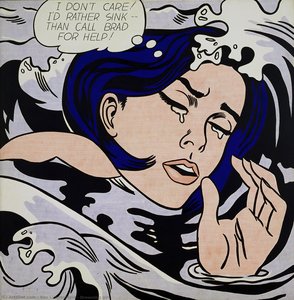
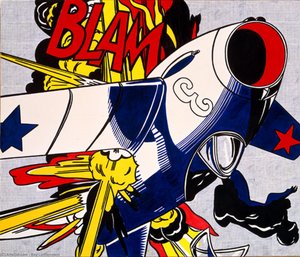
  • Su trabajo estuvo fuertemente influenciado por los estilos de publicidad y cómics populares, con obras notables como Wham!, Drowning Girl y Oh, Jeff... I love you too... but...
  • La obra más cara de Lichtenstein, Masterpiece, se vendió por 165 millones de dólares en enero de 2017.

Enseñanza e influencias

Lichtenstein enseñó en varias instituciones, incluyendo la Universidad Estatal de Nueva York en Oswego y la Universidad Rutgers. Su trabajo fue influenciado por Allan Kaprow, un colega profesor en Rutgers, lo que reavivó su interés en las imágenes proto-pop. Exposiciones notables:
  • The Museum Chambre de Commerce (Tolosa, Francia), que presentaba varias obras de arte, incluyendo aquellas del movimiento pop art.
  • El trabajo de Lichtenstein fue exhibido en la Leo Castelli Gallery en la ciudad de Nueva York, con su primera exposición individual en 1962 siendo comprada por completo por coleccionistas influyentes antes de que abriera.

Legado e impacto

Roy Lichtenstein falleció el 29 de septiembre de 1997, dejando atrás un legado como figura destacada del movimiento pop art. Su obra continúa siendo celebrada por su innovadora mezcla de arte alto y bajo, haciendo que sea accesible a una audiencia más amplia. Referencias:
Roy Lichtenstein

Roy Lichtenstein

1923 - 1997 , Estados Unidos de América
Datos clave

  • Artistas Que Influyeron:
    • Reginald Marsh
    • Allan Kaprow
  • Fecha De Muerte: 29 de septiembre de 1997
  • Fecha De Nacimiento: 27 de octubre de 1923
  • Lugar De Nacimiento: Manhattan, EE. UU.
  • Movimiento Artístico: Pop Art
  • Nacionalidad: Estadounidense
  • Nombre Completo: Roy Lichtenstein
  • Obras Notables:
    • Look Mickey
    • Whaam!
    • Drowning Girl
    • Masterpiece
Explore obras de arte organizadas por temas, estilos y características.