

Óleo sobre lienzo pintado a mano en el tamaño y marco de su elección, realizado por encargo por nuestros artistas. ( Pedir impresión Comprar descarga)





























Elija entre nuestros tamaños predefinidos que respetan las proporciones originales de la obra.

Puede ingresar sus propias dimensiones para adaptarse a un marco o espacio específico. Si el tamaño seleccionado no coincide con las proporciones de la imagen original, recortaremos la obra o extenderemos la pintura con elementos adicionales pintados a mano. Se le enviará una maqueta digital para su aprobación antes de comenzar la producción.
Tenga en cuenta que la vista previa en pantalla no refleja el recorte o la extensión reales. Solo la maqueta mostrará con precisión la composición final.
Si bien existen tamaños personalizados, recomendamos seleccionar una dimensión de la lista predefinida para preservar las proporciones originales.
Envío a todo el mundo () en 3-4 semanas en lugar de las 5 semanas estándar. (22 agosto). Sin comprometer la calidad.


Green Fields
Tamaño de la reproducción
Sir George Clausen’s “Green Fields,” painted around 1906, isn't merely a depiction of a rural landscape; it’s an invitation to step into a moment of profound tranquility. The painting captures a quintessential English scene – rolling hills bathed in the diffused light of an overcast sky, dotted with figures engaged in the rhythms of agricultural life. More than just a pretty picture, “Green Fields” speaks volumes about the enduring connection between humanity and the land, a theme that resonated deeply within Clausen’s oeuvre and the broader artistic currents of his time.
Clausen, born in London in 1852, initially trained within the rigid structures of the Royal Academy Schools. However, he quickly gravitated towards the burgeoning Impressionist movement, absorbing its emphasis on capturing fleeting moments of light and color. This shift is strikingly evident here; the brushstrokes are loose and visible, creating a sense of dynamism and immediacy. The painting isn’t striving for photographic realism but rather attempting to convey the *feeling* of being present in this idyllic setting – the warmth of the sun filtering through the clouds, the scent of damp earth, the quiet hum of rural activity.
The composition is carefully orchestrated, guiding the viewer’s eye across a layered landscape. The foreground is dominated by a substantial stack of hay bales – a tactile element that grounds the scene and provides a visual anchor. Moving into the middle ground, we encounter a young man, his back turned to us, seemingly lost in contemplation as he gazes out over the expansive fields. This figure, often interpreted as representing the farmer or laborer, serves as a silent observer of the landscape’s beauty. The background fades gently into a hazy horizon, utilizing atmospheric perspective – a technique where distant objects appear paler and less distinct – to create a convincing sense of depth.
The color palette is dominated by variations of green and brown, reflecting the natural world with remarkable subtlety. Clausen masterfully employs muted greens to depict the fields, avoiding overly bright or saturated hues. The browns and yellows of the hay bales and earth tones provide a grounding contrast, while subtle washes of gray and blue in the sky add depth and mood. The overall effect is one of understated elegance – a celebration of the quiet beauty of the English countryside.
Beyond its purely visual appeal, “Green Fields” carries significant symbolic weight. The scene evokes a sense of peace, solitude, and a deep connection to nature—themes that were particularly resonant in late 19th-century England, a period marked by rapid industrialization and urbanization. The solitary figure gazing into the distance can be interpreted as representing humanity’s yearning for simplicity and connection with the natural world. The painting subtly suggests a longing for a slower pace of life, a respite from the anxieties of modernity.
Further research reveals fascinating details about the painting's creation. A study by the Royal Academy of Arts highlights how Clausen meticulously rendered the texture of the hay bales and the implied movement of the fields through his loose brushstrokes. The song “Four Green Fields” by Tommy Makem, which shares a similar theme of Irish identity and connection to the land, offers a parallel perspective on this enduring motif. The painting’s quiet contemplation mirrors the spirit of that folk ballad.
“Green Fields” stands as a testament to Sir George Clausen's skill as an Impressionist painter and his profound appreciation for the English countryside. It is a work that invites viewers to pause, reflect, and reconnect with the beauty and tranquility of nature—a timeless message rendered in exquisite detail and imbued with a quiet emotional resonance. Reproductions of this captivating artwork offer a window into a bygone era, capturing not just a landscape but also the spirit of a nation.
Sir George Clausen (1852-1944) fue una figura destacada en el arte británico de finales del siglo XIX y principios del XX, reconocido por su combinación distintiva de técnicas impresionistas con un enfoque en la representación de la vida rural y, posteriormente, el impacto de la guerra. Nacido en Londres, Reino Unido, el viaje artístico de Clausen refleja tanto tragedias personales como cambios sociales más amplios.
La formación temprana de Clausen se basó en métodos académicos tradicionales. Sin embargo, pronto gravitó hacia un enfoque más moderno, influenciado por la creciente corriente impresionista en Francia. Estudió en las Escuelas de la Royal Academy y viajó extensamente por Europa, absorbiendo los principios de la pintura al aire libre y capturando momentos fugaces de luz y atmósfera. Un momento clave en su desarrollo fue su participación con el New English Art Club, fundado en 1886. Este grupo defendió un estilo artístico más progresivo, rechazando las convenciones rígidas de la Royal Academy y abrazando un enfoque más libre y expresivo para la pintura.
La producción artística de Clausen se caracteriza por varios temas recurrentes:
Su estilo evolucionó a lo largo del tiempo, pero siempre mantuvo una conexión con la tradición impresionista.
El estallido de la Primera Guerra Mundial afectó profundamente la vida y el arte de Clausen. Sirvió como artista oficial de guerra, documentando el conflicto a través de pinturas y dibujos. Una tragedia personal golpeó cuando el prometido de su hija murió en combate. Se cree que este evento inspiró su conmovedora pintura Youth Mourning (1916), que representa a una joven afligida en un paisaje desolado.
Clausen disfrutó de reconocimiento durante su vida:
El significado histórico de Sir George Clausen radica en su contribución al desarrollo del impresionismo británico, su capacidad para capturar la esencia de la vida rural con sensibilidad y habilidad, y sus reflexiones conmovedoras sobre el impacto de la guerra. Sigue siendo un artista valorado cuyo trabajo continúa resonando con el público.

1852 - 1944 , Reino Unido

Descubre las 25 obras maestras de Alfred Munnings, el pintor británico de caballos por excelencia. Explora su impresionismo inglés, escenas campestres y técnica única. Encuentra reproducciones de arte de alta calidad en BuyPopArt.com.
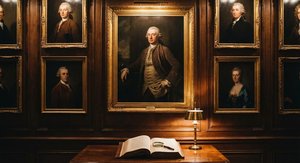
Descubre las 25 obras maestras de Sir Joshua Reynolds, el pintor inglés que elevó el retrato a la categoría de arte. Explora su técnica clásica, estilo rococó y significado histórico en BuyPopArt.com. ¡Encuentra reproducciones de alta calidad para tu hogar!
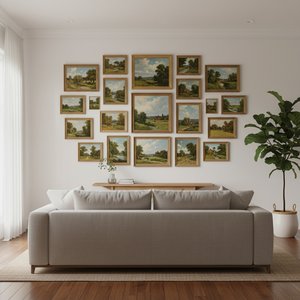
Descubre las 25 obras maestras de John Constable, el pintor romántico inglés que capturó la belleza del paisaje. Explora su técnica, historia y significado en BuyPopArt.com. Reproducciones de arte de alta calidad para tu hogar.

Explore the rich history & symbolism of green in art! Discover iconic paintings, techniques, and how to bring verdant harmony into your home with BuyPopArt's expert guide.
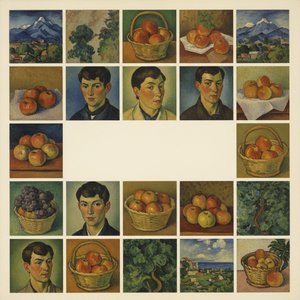
Descubre las 25 obras maestras de Paul Cézanne que revolucionaron el arte moderno. Explora su técnica, inspiración y significado en paisajes, bodegones y retratos. Reproducciones de alta calidad para decorar tu hogar con arte inolvidable. ¡Explora la colección completa en BuyPopArt.com!


Manténgase al día con las últimas noticias de arte, ofertas exclusivas e ideas de decoración.
Cuéntanos sobre tu proyecto y nuestros expertos en arte te ofrecerán 3 sugerencias de obras personalizadas.
Dejamos que nosotros seleccionemos 3 opciones exclusivas para ti – ¡Gratis!


 Vista previa
 Compartir
 Compartir
 Ver detalles

 Descargar
 Ver similares
 Radiografía
 Presentación de diapositivas

 Leer más







 La opción de vidrio solo está disponible en tamaños inferiores a 110 cm.


