


 Preview
 Encargar reproducción Comprar imagen en alta resolución
 Enviar
 Detalles
 Añadir a favoritos
 Descargar
 Similares
 Radiografía
 Presentación de diapositivas
 Óleo sobre tablaGothic art
 1333
1333 63.0 x 41.0 cm
 Staatliche Museen zu Berlin
Impresión giclée o en lienzo de calidad de museo con producción rápida y opciones de acabado flexibles.





























Elija entre nuestros tamaños predefinidos que respetan las proporciones originales de la obra.

Puede introducir sus propias dimensiones para adaptarse a un marco o espacio específico. Si el tamaño seleccionado no coincide con las proporciones de la imagen original, recortaremos la obra de arte o extenderemos la imagen con un borde con efecto espejo o de color sólido. Se enviará una maqueta digital para su aprobación antes de que comience la producción.
Tenga en cuenta que la vista previa en pantalla no refleja el recorte o la extensión real. Solo la maqueta mostrará con precisión la composición final.
Aunque existen tamaños personalizados, recomendamos seleccionar una dimensión de la lista predefinida para preservar las proporciones originales.
Entrega mundial () en 2 semanas en lugar de las 4/5 semanas estándar. (27 julio)


Triptych (interior)
Tamaño de la reproducción
Within the hallowed halls of Berlin’s Staatliche Museen resides a poignant testament to 14th-century Italian piety – Taddeo Gaddi’s “Triptych (interior).” Crafted around 1333, this intimate work offers a window into the fervent religious landscape of Florence during a period of artistic transition. More than just a devotional object, it's a masterful display of Gaddi’s skill as Giotto’s most celebrated pupil, showcasing his ability to blend the innovative naturalism of his mentor with the lingering grace of Gothic tradition. The triptych, measuring 63 x 41 cm for the central panel and smaller dimensions for each wing, is rendered in poplar wood, a common material for Florentine panels of the era, and its preservation allows us to connect directly with the artistic sensibilities of a bygone age.
Upon opening this hinged masterpiece, one is immediately drawn into a world of quiet contemplation. The central panel depicts the Virgin Mary enthroned, cradling the Christ Child amidst a gathering of apostles and prophets. This iconic image, a cornerstone of Christian iconography, radiates serenity and maternal tenderness. Flanking this central scene are two smaller panels that narrate key moments in Mary’s life. The left wing portrays an early Nativity scene, imbued with a gentle warmth and human connection. Above it, we see Saint Nicholas freeing Adeodatus from slavery – a story of divine intervention and compassion. The right wing presents a depiction of the Crucifixion, underscored by another episode featuring Saint Nicholas restoring Adeodatus to his parents. This pairing of events—the sacrifice of Christ alongside acts of selfless kindness—highlights the interconnectedness of faith, suffering, and redemption within the medieval worldview.
Taddeo Gaddi’s style in this triptych is a fascinating blend of influences. While clearly indebted to Giotto’s revolutionary approach to depicting human figures with greater realism and emotional depth, Gaddi retains certain characteristics of the late Gothic period. Observe the elongated proportions of the figures, the elegant drapery folds, and the stylized architectural backgrounds—all hallmarks of the preceding artistic style. However, Gaddi's use of light and shadow is more nuanced than earlier Gothic works, hinting at the emerging Renaissance interest in creating a sense of three-dimensionality. The details are meticulously rendered; from the intricate patterns on Mary’s robes to the expressive faces of the apostles, each element contributes to the overall narrative power of the piece. The use of color, while restrained by medieval conventions, is nonetheless effective in conveying mood and highlighting key figures.
Beyond its aesthetic qualities, the “Triptych (interior)” is rich in symbolic meaning. The triptych format itself—three panels hinged together—was a popular choice for devotional art during this period, allowing viewers to open and close the work as a form of prayer or meditation. The inclusion of Saint Nicholas reinforces themes of charity and divine grace. Mary’s central position underscores her pivotal role in Christian theology. The overall effect is one of profound reverence and spiritual contemplation—a tangible expression of faith intended to inspire devotion in its viewers. This wasn't merely an artistic creation; it was a tool for fostering piety, a visual sermon designed to deepen the connection between the individual and the divine.

1290 - 1366 , Italia
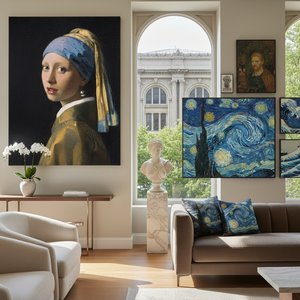
Descubre las 25 obras maestras del MET de Nueva York: Van Gogh, Monet, Rembrandt y más. Explora la historia, el arte y los colores que inspiran tu hogar. Reproducciones de museo en BuyPopArt.com.
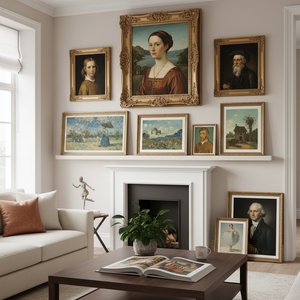
Descubre las 25 obras maestras del National Gallery of Art, Washington. Explora la historia de Cézanne, Matisse, Picasso y más. Encuentra reproducciones de arte exclusivas e ideas para decorar tu hogar con lienzos inolvidables en BuyPopArt.com.
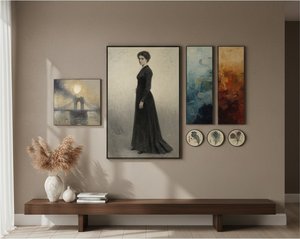
Descubre las 25 obras maestras de James Abbott McNeill Whistler, el maestro del impresionismo y la armonía en arte. Explora retratos icónicos, nocturnos evocadores y su innovadora paleta de colores. Reproducciones de arte exclusivas en BuyPopArt.com.
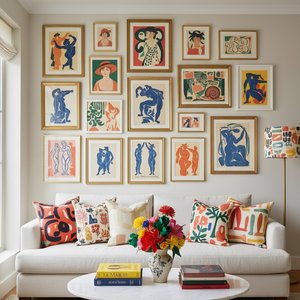
Descubre las 25 obras maestras de Henri Matisse, el rey del color y padre del fauvismo. Explora su arte moderno, lienzos vibrantes y la historia detrás de cada pintura icónica. Encuentra reproducciones de alta calidad en BuyPopArt.com.
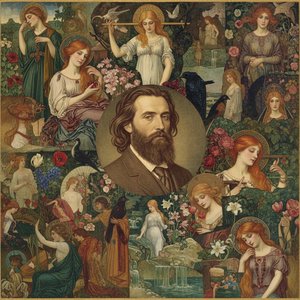
Descubre las 25 obras maestras de Dante Gabriel Rossetti, el máximo exponente del Prerrafaelismo. Explora su simbolismo, retratos victorianos y la belleza femenina en lienzos inolvidables. Reproducciones de arte exclusivas en BuyPopArt.com.


Manténgase al día con las últimas noticias de arte, ofertas exclusivas e ideas de decoración.
Cuéntanos sobre tu proyecto y nuestros expertos en arte te ofrecerán 3 sugerencias de obras personalizadas.
Permítenos seleccionar 3 opciones solo para ti – ¡Gratis!


 Compartir

 Ver más







 La opción de vidrio solo está disponible en tamaños inferiores a 110 cm.


