

Impresiones giclée o en lienzo de calidad de museo con producción rápida y opciones de acabado flexibles. ( Encargar reproducción pintada a mano Comprar descarga)





























Elija entre nuestros tamaños predefinidos que respetan las proporciones originales de la obra.

Puede introducir sus propias dimensiones para adaptarse a un marco o espacio específico. Si el tamaño seleccionado no coincide con las proporciones de la imagen original, recortaremos la obra de arte o extenderemos la imagen con un borde con efecto espejo o de color sólido. Se enviará una maqueta digital para su aprobación antes de que comience la producción.
Tenga en cuenta que la vista previa en pantalla no refleja el recorte o la extensión real. Solo la maqueta mostrará con precisión la composición final.
Aunque existen tamaños personalizados, recomendamos seleccionar una dimensión de la lista predefinida para preservar las proporciones originales.
Envío a todo el mundo () en 2 semanas en lugar de las 4/5 semanas estándar. (19 agosto)


La Luna Errante
Tamaño de la reproducción
William Blake’s The Wandering Moon transcends mere depiction; it embodies the very spirit of Romanticism—a fervent belief in imagination as a conduit to divine truth and an unwavering fascination with the sublime beauty of nature intertwined with spiritual contemplation.
Created in 1820 during Blake’s prolific artistic output, this watercolour painting isn't simply a visual representation but rather a carefully crafted allegory. The central figure—a woman ascending into the night sky—represents humanity striving for enlightenment and liberation from earthly constraints. Her outstretched arms symbolize yearning, aspiration, and an unwavering faith in something beyond the tangible world.
Blake’s masterful composition draws inspiration from biblical narratives and mythological symbolism. The woman's flight is juxtaposed against a backdrop of swirling clouds illuminated by the silvery glow of the moon—a celestial body traditionally associated with femininity, intuition, and cyclical renewal. This lunar luminescence casts an ethereal light upon the scene, fostering an atmosphere of mystery and wonder.
Beneath her gaze lies a tranquil hillside dotted with trees, hinting at earthly grounding while simultaneously acknowledging the interconnectedness between humanity and the natural realm. The church steeple punctuates the landscape, symbolizing faith and spiritual aspiration—a deliberate inclusion that underscores Blake’s Romantic conviction in the transformative power of religion.
Blake’s choice of watercolor is pivotal to conveying the painting’s emotive core. The medium allows for subtle gradations of color and luminous washes, creating a dreamlike quality that captures the essence of Romantic idealism. Each brushstroke is imbued with intention—a deliberate effort to evoke feelings of serenity, contemplation, and spiritual yearning.
Blake's technique demonstrates his profound understanding of watercolor’s capabilities. He skillfully blends hues to achieve atmospheric depth and luminosity, mirroring the ethereal beauty of the night sky. The delicate texture of the paint surface contributes to the overall impression of tranquility and invites viewers into a meditative state—a hallmark of Romantic art.
William Blake stands as one of the foremost figures in the Romantic movement, alongside poets like Wordsworth and Coleridge. His artistic vision was profoundly shaped by influences ranging from Dante Alighieri’s Divine Comedy to Milton’s Paradise Lost—texts that explored themes of morality, spirituality, and the human condition.
Blake's exploration of visionary experience—drawing inspiration from his own mystical encounters—became a cornerstone of Romantic aesthetics. He championed imagination as an antidote to reason and dogma, asserting its capacity to reveal hidden truths about existence. The Wandering Moon exemplifies this Romantic impulse—a testament to Blake’s enduring legacy as a prophet of beauty and spiritual insight.
For those seeking to immerse themselves in the grandeur of Romantic art, The Wandering Moon awaits at https://BuyPopArt.com. Explore Blake’s broader oeuvre and discover the transformative power of artistic contemplation.
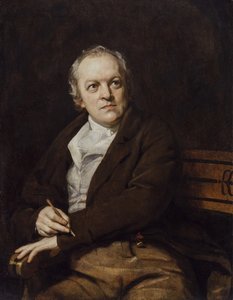
1757 - 1827 , Reino Unido

Descubre 10 acuarelas legendarias de Turner, Monet y Sargent que revolucionaron el arte. Explora la historia, técnica y belleza de estas obras maestras impresionistas y románticas. Reproducciones de museo en BuyPopArt.com.

Descubre la fascinante historia de la acuarela, desde sus orígenes hasta su expresión contemporánea. Explora técnicas, artistas clave como Paul Klee y encuentra reproducciones de alta calidad en BuyPopArt.

Explore the captivating world of watercolor painting! Discover its rich history, essential techniques, influential artists & collecting tips. A comprehensive guide for art enthusiasts from BuyPopArt.

Explore the mystical art & poetic genius of William Blake (1757-1827). Discover his revolutionary illuminated printing, rich symbolism, and lasting influence on Romanticism. Find handmade reproductions at BuyPopArt.

Descubre la fascinante historia y las técnicas de la acuarela. Explora obras maestras, aprende con expertos y encuentra reproducciones o comisiones personalizadas en .


Manténgase al día con las últimas noticias de arte, ofertas exclusivas e ideas de decoración.
Cuéntanos sobre tu proyecto y nuestros expertos en arte te ofrecerán 3 sugerencias de obras personalizadas.
Dejamos que nosotros seleccionemos 3 opciones exclusivas para ti – ¡Gratis!


 Vista previa
 Compartir
 Compartir
 Ver detalles

 Descargar
 Ver similares
 Radiografía
 Presentación de diapositivas

 Leer más







 La opción de vidrio solo está disponible en tamaños inferiores a 110 cm.


