

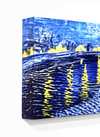
Meie kunstnike poolt tellimusel valmistatud käsitsi maalitud õli-kainaste teos teie soovitud suuruses ja raamis. ( Lülita trükile Vaata pilti)
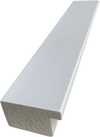
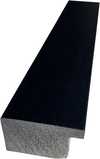
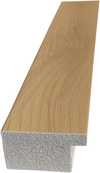
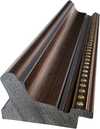
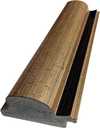
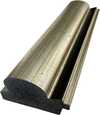
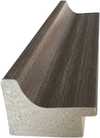
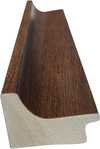
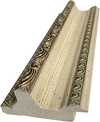
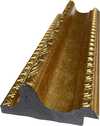
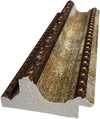
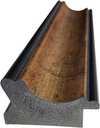
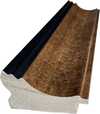
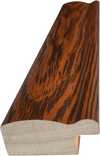
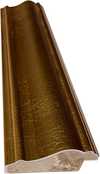
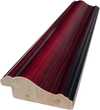
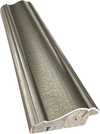
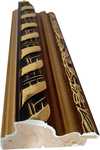
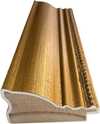
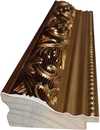
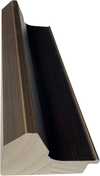
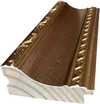
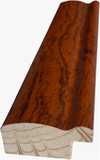
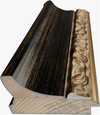
Vali meie eelmääratud suurused, mis vastavad teose algupärastele proportsioonidele.

Sa võite sisestada oma mõõtmed konkreetse raami või ruumi sobivuse tagamiseks. Kui teie valitud suurus ei vasta originaalpildi proportsioonidele, siis kärvime kunstiteost või laiendame maali täiendavate käsitsi maalitud elementidega. Enne tootmise algust saadetakse teile heakskiitmiseks digitaalne eelvaade.
Palun pidage meeles, et ekraanil kuvatav eelvaade ei kajasta tegelikku kärpimist või laiendamist. Ainult eelvaade näitab täpselt lõplikku kompositsiooni.
Kuigi on saadaval kohandatud suurused, soovitame originaalproportsioonide säilimiseks valida mõõdud eelmääratletud nimekirjast.
Maailmline tarne 3–4 nädala jooksul tavalise 5 nädala asemel. (30 juuli). Kvaliteedis kompromisse ei tehta.


Pietà
Reproduktsiooni suurus
Carlo Crivelli's Pietà, a masterpiece housed within the Pinacoteca Vaticana, isn’t merely a depiction of loss; it’s an immersion into profound sorrow and a testament to enduring maternal love. Completed around 1476, this tempera-on-wood panel transcends its religious subject matter to become a deeply human exploration of grief, capturing a moment suspended between earthly suffering and spiritual solace. Crivelli, a Venetian painter known for his late Gothic sensibilities and meticulous detail, masterfully blends the decorative flourishes of his region with a raw emotional intensity rarely seen in his contemporaries.
The scene unfolds within a dimly lit interior, likely a chapel or sanctuary, rendered with an almost dreamlike quality. At its heart lies Jesus Christ, lifeless yet radiating a quiet dignity. His body, draped in simple linen robes, is cradled by the Virgin Mary, her face etched with an anguish that mirrors his own. The composition isn’t one of idealized beauty; instead, it embraces the stark reality of death – the pallor of his skin, the slight distortion of his limbs, and the subtle details of wounds inflicted during his Passion. Crivelli deliberately avoids romanticizing suffering, presenting it with a poignant honesty that resonates deeply with the viewer.
Crivelli’s technique is characterized by a remarkable restraint and precision. He employs a meticulous layering of tempera paint, building up textures and details with painstaking care. The use of gold leaf, particularly in the background and highlighting certain elements like Mary's garments, adds a luminous quality to the scene, drawing attention to the central figures while simultaneously emphasizing their vulnerability. Noticeably, Crivelli departs from the prevalent trends of his time, eschewing vibrant colors for a more subdued palette dominated by deep reds, blues, and greens – hues traditionally associated with mourning and solemnity.
Symbolism permeates every aspect of the painting. The three figures surrounding Christ—John the Evangelist, Mary Magdalene, and an unnamed mourner—represent the universal human response to loss. John’s anguished expression mirrors Mary's grief, while Mary Magdalene’s posture conveys a sense of quiet contemplation. The architectural setting, with its arches and columns, evokes a sense of timelessness and spiritual significance. The inclusion of angels in the background, rendered in a more ethereal style, suggests the presence of divine comfort amidst earthly sorrow. Even the carefully chosen drapery—flowing and voluminous—contributes to the overall atmosphere of grief and mourning.
Crivelli's Pietà emerged during a period of significant artistic innovation in Italy, marked by the rise of the Renaissance. While he retained elements of late Gothic style—particularly his preference for decorative detail and meticulous rendering—he also absorbed influences from contemporary artists like Giovanni Bellini and Mantegna. His work reflects a desire to bridge the gap between these diverse styles, creating a unique visual language that is both deeply rooted in tradition and forward-looking in its emotional intensity.
The painting’s provenance – originally part of an altarpiece intended for the high altar of San Domenico at Ascoli Piceno – reveals its original context within a religious setting. It's believed to have been commissioned as a central panel, serving as a focal point for contemplation and devotion. The fact that it survives today is a testament to its enduring power and artistic merit.
Carlo Crivelli’s Pietà remains a profoundly moving work of art, offering viewers an opportunity to connect with universal themes of loss, grief, and maternal love. Its masterful technique, evocative symbolism, and emotional depth continue to resonate centuries after its creation. Whether viewed as a religious icon or simply as a powerful depiction of human suffering, the Pietà stands as a testament to the enduring legacy of one of Renaissance Italy’s most gifted artists.
Itaalia renessansimaalija Carlo Crivelli sündis Venetsias umbes aastatel 1430–1435. Ta pärines maalijate perest ning sai oma kunstilise hariduse nii Venetsias kui ka Paduas. Arvatakse, et Crivelli esialgne õpetaja oli Jacobello del Fiore, kes tegutses veelgi 1436. Lisaks sellele õppis ta Venetsias Vivarinite koolkonnas.
Crivelli veetis oma noernes aastades Veneto piirkonda, imeldes mõju Vivarinilt, Squarcionelt ja MantegnaLT. 1458. aastaks lahkus ta Veneto piirkonnast ning veetis suure osa oma karjäärist Anconas, arendades välja eripärase isikupärase stiili, mis erineb märgatavalt tema venetsialase kaasaegase Giovanni Bellini loomingust. Crivelli tööde iseloomuliseks tunnusomust on konservatiivne hilispgootiline dekoratiivsus, mida iseloomustavad lineaalsus, suurepärane täpsus detailides ning silmapaistav "trompe l'oeil" tehnika kasutamine.
* Carlo Crivelli maali "Madonna ja laps troonil" (106 x 55 cm, Budapesti Fine Arts muuseum, Ungari) on tema stiili suurepärane näide. * Ta tegi koostööd oma noema noema venn Vittorio Crivelliga mitmel projektil. * Tema õpilaseks ja koostööliseks sai Pietro Alemanno, maalija, kes emigreeris Saksamaalt või Austriast Ancona piirkonda.
* Milanos asuvas Pinacoteca di Brera muuseumis on näitaval Crivelli mitmed teosed, sealhulgas "Pietà" (128 x 241 cm). * Venetsias asuvas San Giovanni in Bragora muuseumis on kogutud kunstiteoseid erinevatest ajastu ja stiilidest, sealhulgas mõned teosed, mida atribuutseeritakse Crivellile.
Crivelli pärand inspireerib jätkuvalt nii kunstihuvilisi kui ka teadureid, ning tema töö on tõend püsivale jõule, mida peitub konservatiivses hilispgootilises dekoratiivses tundlikuses.

1435 - 1495 , Italia

Explore the captivating world of Maerten van Heemskerck, a pivotal Dutch Renaissance painter bridging Mannerism & Italian influence. Discover his masterpieces and legacy with BuyPopArt.
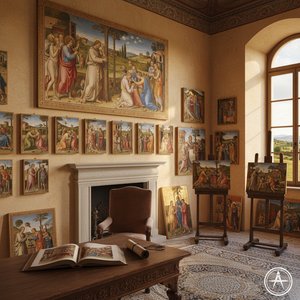
Avastage Giotto di Bondone 25 suurimat meistriteost! Sukelduge renessansi kunstimaailma, imetlege freskosid ja maale. Leidke täiuslik seina kaunistus BuyPopArt.com-ist – kvaliteetsed reproduktsioonid ja inspiratsioon interjööri jaoks. Avastage kogu kollektsioon veebis!

Explore the profound history of grief in art, from Renaissance masterpieces to Baroque drama. Discover how artists captured loss, mourning & faith through powerful imagery. Expert insights at BuyPopArt.

Explore the profound history of grief in art with BuyPopArt. Discover Renaissance & Baroque masterpieces depicting loss, mourning, and faith. Expert insights & handmade reproductions available.

Explore 10 Renaissance Humanism masterpieces by Leonardo da Vinci, Michelangelo & Raphael. Discover the stories behind these iconic paintings & sculptures and bring timeless art into your home with museum-quality reproductions from BuyPopArt.com. Explore the full collection online!


Püsige kursis viimaste kunstiuudistega, eksklusiivsete pakkumistega ja sisustamisideetega.
Kirjeldage meile oma projekti ja meie kunstieksperdid pakuvad teile 3 isikupärast kunstiettepanekut.
Laske meil koostada just teile mõeldud 3 valikut – tasuta!


 Eelvaade
 Saada
Saada Jaga
Jaga
 Teave teose kohta

 Laadi alla
 Sarnased teosed
 Röntgenuuring
 Slaidietendus

 Loe lähemalt
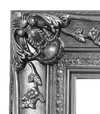
 Klaasivalik on saadaval ainult suuruses kuni 110 cm


