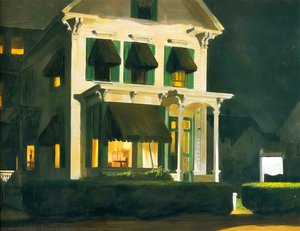
Muuseumikvaliteediga giclée- või kangasprint kiire tootmisega ja paindlikud viimistlusvõimalused. ( Osta käsitsi maalitud maal Osta pilt)





























Vali meie eelmääratud suurused, mis vastavad teose algupärastele proportsioonidele.

Saate sisestada oma mõõdud, et need sobiks konkreetse raami või ruumi sisse. Kui valitud suurus ei vasta originaalteose proportsioonidele, lõigame teose ära või laiendame pilti peegeldatud või ühtlase servaga. Enne tootmisprotsessi algust saadetakse Teie kinnitamiseks digitaalne näidis.
Palun märka, et ekraanil kuvatav eelvaade ei kajasta tegelikku lõigamist või laiendamist. Ainult näidis kujutab täpselt lõplikku kompositsiooni.
Kuigi erimõõdu on saadaval, soovitame originaaproportsioonide säilitamiseks valida mõõt ette määratud nimekirjast.
Ülemaailmne tarne () 2 nädala jooksul, tavalise 4/5 nädala asemel. (17 august)


stepsin paris
Reproduktsiooni suurus
This evocative painting captures a seemingly ordinary scene – a stone staircase ascending into shadow – yet imbues it with a profound sense of quietude and introspection. Rendered in a masterful blend of realism and atmospheric suggestion, the artwork invites viewers to contemplate themes of isolation, transition, and the subtle poetry found within urban landscapes.
The work demonstrates clear influences from late 19th and early 20th-century movements like Impressionism and Post-Impressionism. While not strictly adhering to either style’s tenets, it shares their emphasis on capturing light and atmosphere through visible brushwork and a restrained color palette. The artist's approach leans towards realism, yet avoids meticulous detail in favor of conveying mood and emotional resonance. This stylistic choice places the artwork within a tradition of American Realism that sought to depict modern life with honesty and psychological depth.
Executed likely in oil on canvas, the painting showcases a skillful handling of texture and tone. Noticeable brushstrokes build up the surface, particularly on the steps, suggesting the rough materiality of stone. The artist employs atmospheric perspective – softening colors and details as they recede into the distance – to create a convincing illusion of depth and shadow. This technique draws the eye upwards along the diagonal staircase while simultaneously emphasizing the ambiguity of what lies beyond.
Staircases are potent symbols, often representing ascent, progress, or escape. However, in this instance, the upward journey feels less triumphant and more ambiguous. The darkness at the top, combined with the absence of human figures, evokes a sense of loneliness and perhaps even melancholy. The cropped composition – we don’t see where the stairs begin or end – reinforces this feeling of incompleteness and isolation. It's a space caught between worlds, inviting contemplation on themes of transition and the unknown.
While the precise date of creation is unknown, the artwork aligns with a period of rapid urbanization and social change. The early 20th century witnessed increasing feelings of alienation and anonymity within modern cities. This painting can be interpreted as a visual expression of these anxieties, capturing a fleeting moment of quiet desperation amidst the bustling energy of urban life. It speaks to the universal human experience of solitude and the search for meaning in an increasingly complex world.
This artwork’s subdued color palette – blending pinks, oranges, purples, and golds within a predominantly neutral scheme – makes it remarkably versatile. It would complement a range of interior design styles, from minimalist modern spaces to more traditional settings. Its contemplative mood lends itself well to bedrooms, studies, or living areas where a sense of calm and introspection is desired. A high-quality reproduction allows art lovers and collectors alike to experience the emotional power and artistic merit of this compelling work.

1931 - 1967 , USA

Avastage Edward Hopperi 25 parimat teost! Sukelduge valgusest ja varjust täis maailma, mis peegeldab ameerika hingust. Leidke inspiratsiooni kodukaunistuseks ja kvaliteetsed kunstireproduktsioonid BuyPopArt.com-ist. Vaadake kogu kollektsiooni online!

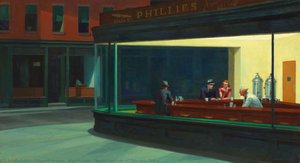
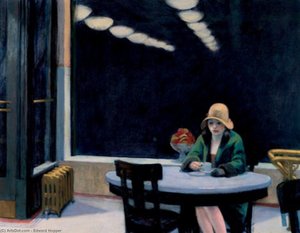
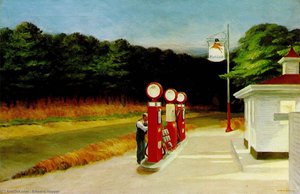
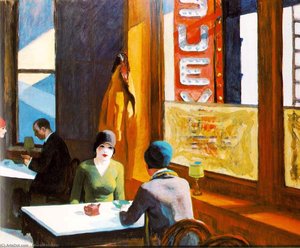
Explore the profound world of Edward Hopper's American realism. Discover the symbolism, themes & enduring legacy of this iconic artist – from 'Nighthawks' to his lesser-known masterpieces. Expert analysis and insights.

Discover the profound emotional depth of Impressionist and Post-Impressionist masterpieces. Explore how legends like Monet, Van Gogh, and Gauguin captured light and soul through evocative landscapes and vibrant brushwork for a timeless connection to art history.
Avastage Pierre-Auguste Renoiri 25 parimat teost! Sukelduge impressioonismi maailma, nautides valgusrikkaid maale ja romantikat. Kunstiteosed kodu sisustuseks – eksklusiivne kollektsioon BuyPopArt.com'is. Vaata kohe!

Journey through Impressionistic Realism with 10 iconic masterpieces by Monet, Renoir & Van Gogh. Explore art history, techniques & find museum-quality reproductions for your home at BuyPopArt.com. Discover all masterpieces online!


Püsige kursis viimaste kunstiuudistega, eksklusiivsete pakkumistega ja sisustamisideetega.
Kirjeldage meile oma projekti ja meie kunstieksperdid pakuvad teile 3 isikupärast kunstiettepanekut.
Laske meil koostada just teile mõeldud 3 valikut – tasuta!


 Eelvaade
 Saada
Saada Jaga
Jaga
 Teave teose kohta

 Laadi alla
 Sarnased teosed
 Röntgenuuring
 Slaidietendus
 Loe lähemalt







 Klaasivalik on saadaval ainult suuruses kuni 110 cm