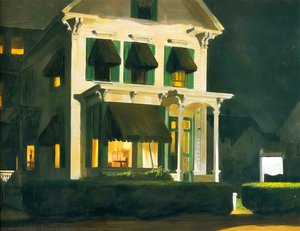
Muuseumikvaliteediga giclée- või kangasprint kiire tootmisega ja paindlikud viimistlusvõimalused. ( Osta käsitsi maalitud maal Osta pilt)





























Vali meie eelmääratud suurused, mis vastavad teose algupärastele proportsioonidele.

Saate sisestada oma mõõdud, et need sobiks konkreetse raami või ruumi sisse. Kui valitud suurus ei vasta originaalteose proportsioonidele, lõigame teose ära või laiendame pilti peegeldatud või ühtlase servaga. Enne tootmisprotsessi algust saadetakse Teie kinnitamiseks digitaalne näidis.
Palun märka, et ekraanil kuvatav eelvaade ei kajasta tegelikku lõigamist või laiendamist. Ainult näidis kujutab täpselt lõplikku kompositsiooni.
Kuigi erimõõdu on saadaval, soovitame originaaproportsioonide säilitamiseks valida mõõt ette määratud nimekirjast.
Ülemaailmne tarne () 2 nädala jooksul, tavalise 4/5 nädala asemel. (15 august)


untitled (202)
Reproduktsiooni suurus
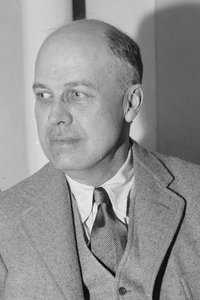
Edward Hopper, a name inextricably linked to the quietude and subtle melancholy that permeated 20th-century American life, wasn’t simply a painter of scenes; he was a poet of light and shadow, a chronicler of modern isolation. Born in Nyack, New York, in 1882, to middle-class parents of Dutch ancestry, Hopper's early years provided a stable upbringing that nurtured his artistic inclinations. From childhood sketches meticulously dated and signed, it became evident that keen observation and an innate talent for drawing were central to his being.
Though initially encouraged towards commercial illustration – a pragmatic suggestion from his parents – Hopper’s ambitions leaned toward fine art, leading him to the New York School of Art where he studied under William Merritt Chase and Robert Henri. These formative years instilled not only technical skill but also an appreciation for realism and a commitment to depicting the world as he saw it. He sought to capture the essence of everyday life—the loneliness, the unspoken anxieties—with unflinching honesty.
Hopper’s oeuvre is characterized by its meticulous realism, achieved through smooth brushstrokes and careful attention to detail. He employed oil paints on canvas—a practice consistent with the artistic conventions of his time—to render scenes bathed in diffused light that heighten emotional resonance. The artist's technique prioritized clarity and precision, creating a sense of detachment rather than overt sentimentality.
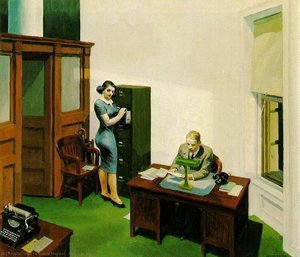
Perhaps no painting embodies Hopper’s signature aesthetic more powerfully than “untitled (202).” This artwork depicts a solitary figure seated on a bed within a sparsely furnished room—a motif recurrent throughout his career. The composition is dominated by strong geometric shapes – the rectangular window, the bed, and the walls – creating a feeling of confinement that speaks to the anxieties inherent in modern urban existence.
The muted color palette—primarily cool blues, grays, and pale pinks—underscores the melancholic mood. A warm pink hue highlights the figure’s garment, providing subtle visual contrast against the cooler tones of the room. Hopper's masterful use of perspective subtly suggests depth while maintaining a flattened surface, reinforcing the sense of detachment characteristic of his style.
“untitled (202)” resonates deeply with viewers because it captures a universal experience: the quiet contemplation of solitude amidst the bustle of daily life. It’s a poignant reminder of human vulnerability and longing—themes that Hopper explored consistently throughout his prolific artistic output, cementing his place as one of America's most enduring visual artists.
1931 - 1967 , USA

Explore the profound depth of American Realism. From the gritty Ashcan School to poignant social landscapes, discover how masters captured the raw soul of a nation through evocative oil paintings and timeless art history.


Püsige kursis viimaste kunstiuudistega, eksklusiivsete pakkumistega ja sisustamisideetega.
Kirjeldage meile oma projekti ja meie kunstieksperdid pakuvad teile 3 isikupärast kunstiettepanekut.
Laske meil koostada just teile mõeldud 3 valikut – tasuta!


 Eelvaade
 Saada
Saada Jaga
Jaga
 Teave teose kohta

 Laadi alla
 Sarnased teosed
 Röntgenuuring
 Slaidietendus
 Loe lähemalt







 Klaasivalik on saadaval ainult suuruses kuni 110 cm