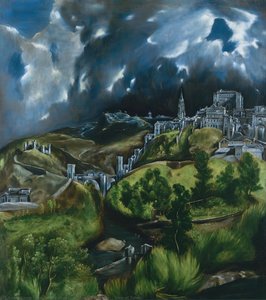
Acrylic On CanvasWallArtmannerist painting
 1614Renaissance
 174.0 x 210.0 cm
Meie kunstnike poolt tellimusel valmistatud käsitsi maalitud õli-kainaste teos teie soovitud suuruses ja raamis. ( Osta print Osta pilt)





























Vali meie eelmääratud suurused, mis vastavad teose algupärastele proportsioonidele.

Sa võite sisestada oma mõõtmed konkreetse raami või ruumi sobivuse tagamiseks. Kui teie valitud suurus ei vasta originaalpildi proportsioonidele, siis kärvime kunstiteost või laiendame maali täiendavate käsitsi maalitud elementidega. Enne tootmise algust saadetakse teile heakskiitmiseks digitaalne eelvaade.
Palun pidage meeles, et ekraanil kuvatav eelvaade ei kajasta tegelikku kärpimist või laiendamist. Ainult eelvaade näitab täpselt lõplikku kompositsiooni.
Kuigi on saadaval kohandatud suurused, soovitame originaalproportsioonide säilimiseks valida mõõdud eelmääratletud nimekirjast.
Maailmline tarne 3–4 nädala jooksul tavalise 5 nädala asemel. (15 august). Kvaliteedis kompromisse ei tehta.


Laocoön
Reproduktsiooni suurus
El Greco’s *Laocoön* transcends mere depiction; it embodies the very essence of Mannerist art—a deliberate rejection of Renaissance ideals in favor of heightened emotion, distorted perspective, and unsettling dynamism. Unearthed in Rome in 1506, this monumental sculpture commemorates the myth of Laocoön, a Trojan priest who dared to challenge Poseidon’s decree forbidding the Greeks from bringing the Trojan Horse into their city.
The sculpture's arrangement is deliberately unsettling, prioritizing expressive gesture over anatomical accuracy. The central figure, Laocoön himself, dominates the composition, wrestling desperately with a serpent while his sons assist him in vain. Their bodies twist and contort in poses that defy gravity—a visual manifestation of their struggle against overwhelming force. The sculptor skillfully employs chiaroscuro – dramatic contrasts between light and shadow – to heighten the emotional impact, emphasizing the musculature of the figures and conveying a sense of impending doom.
*Laocoön* is laden with symbolic significance. The serpents represent divine retribution and Poseidon’s wrath, embodying forces beyond human control. Simultaneously, the sculpture serves as a commentary on human hubris—the folly of challenging divine authority. El Greco's innovative approach to sculptural representation profoundly influenced subsequent artists, establishing Mannerism as a distinct artistic idiom.
Ultimately, *Laocoön* remains a haunting reminder of humanity’s confrontation with mortality and divine judgment. Its dramatic composition, masterful technique, and profound symbolism solidify its place as one of the most iconic sculptures of the Renaissance—a testament to El Greco's artistic genius and his unwavering commitment to capturing the complexities of human experience.
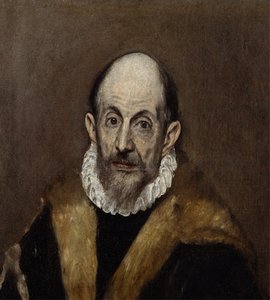
1541 - 1614 , Kreeka

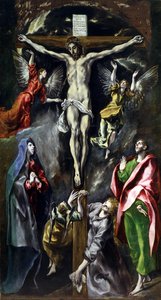
Avastage El Greco 25 parimat teost! Sukelduge hispaania renessansi ja baroki maailma. Vaadake ikoonilisi maale nagu St Sebastian, Laagendatud Maria ja palju muud. Leidke täiuslik kunstiteos oma kodule BuyPopArt.com-is – kvaliteetsed reproduktsioonid ja inspiratsioon interjööridisainiks. Avastage kogu

Explore the captivating world of El Greco! Discover his unique style, spiritual intensity, and lasting impact on art history. Learn about this Renaissance master's life, iconic paintings & legacy.
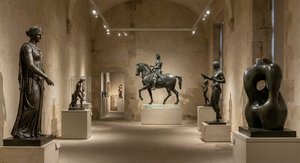
Journey through art history with our Top 10 bronze sculptures! Explore masterpieces by Rodin, Michelangelo & more. Discover stories behind iconic statues and find museum-quality reproductions for your home decor at BuyPopArt.com.

Explore the rich history of sculpture from ancient masterpieces to contemporary innovations. Discover key techniques, influential artists & investment potential for discerning art collectors.
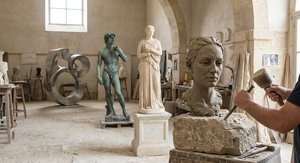
Explore the rich history of sculpture with BuyPopArt. Discover key techniques, influential artists & investment potential for discerning collectors. Expert insights into valuing and collecting timeless masterpieces.


Püsige kursis viimaste kunstiuudistega, eksklusiivsete pakkumistega ja sisustamisideetega.
Kirjeldage meile oma projekti ja meie kunstieksperdid pakuvad teile 3 isikupärast kunstiettepanekut.
Laske meil koostada just teile mõeldud 3 valikut – tasuta!


 Eelvaade
 Saada
Saada Jaga
Jaga
 Teave teose kohta

 Laadi alla
 Sarnased teosed
 Röntgenuuring
 Slaidietendus
 Loe lähemalt







 Klaasivalik on saadaval ainult suuruses kuni 110 cm