AkrüülkainalSeinakunstmannerism
 1610Renessanss
 110.0 x 64.0 cm
 Metropolitani Kunstimuuseum
Meie kunstnike poolt tellimusel valmistatud käsitsi maalitud õli-kainaste teos teie soovitud suuruses ja raamis. ( Osta print Osta pilt)





























Vali meie eelmääratud suurused, mis vastavad teose algupärastele proportsioonidele.

Sa võite sisestada oma mõõtmed konkreetse raami või ruumi sobivuse tagamiseks. Kui teie valitud suurus ei vasta originaalpildi proportsioonidele, siis kärvime kunstiteost või laiendame maali täiendavate käsitsi maalitud elementidega. Enne tootmise algust saadetakse teile heakskiitmiseks digitaalne eelvaade.
Palun pidage meeles, et ekraanil kuvatav eelvaade ei kajasta tegelikku kärpimist või laiendamist. Ainult eelvaade näitab täpselt lõplikku kompositsiooni.
Kuigi on saadaval kohandatud suurused, soovitame originaalproportsioonide säilimiseks valida mõõdud eelmääratletud nimekirjast.
Maailmline tarne 3–4 nädala jooksul tavalise 5 nädala asemel. (16 august). Kvaliteedis kompromisse ei tehta.


Saint Andrew
Reproduktsiooni suurus
Doménikos Theotokópoulos, universally known as El Greco – “the Greek” – stands apart in the annals of art history as a painter who wrestled with both Byzantine tradition and Western innovation. Born in Crete in 1541, amidst the waning Venetian dominion, his artistic odyssey traversed Venice and Rome before anchoring him firmly in Spain’s Toledo, where he forged a singular style that foreshadowed the expressive fervor of Expressionism and the fractured perspectives of Cubism centuries hence.
El Greco wasn't merely responding to his surroundings; he actively synthesized them into something profoundly original. His early training within Byzantine iconography instilled in him meticulous detail and an acute understanding of religious symbolism—a foundation that wouldn’t confine him. He signed his canvases in Greek, appending “Krḗs” – Cretan – as a defiant assertion of his heritage, even as he embraced new artistic horizons.
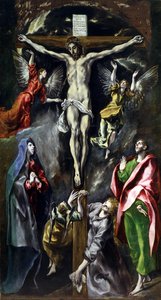
The workshop replica of Saint Andrew, housed at The Metropolitan Museum of Art in New York, offers a glimpse into the artist’s masterful approach. Measuring 110 x 64 cm, it exemplifies El Greco's ability to fuse Byzantine solemnity with Western artistic experimentation.
Historical Context: This painting is a reflection of El Greco’s larger canvas, Saints Andrew and Francis (circa 1595), residing in Madrid’s Museo del Prado. The popularity of El Greco’s style during his lifetime underscores its enduring resonance. Saint Andrew's martyrdom—a poignant symbol of sacrifice for faith—is portrayed with palpable emotion.
Symbolism: The outstretched arms of Saint Andrew convey humility and supplication, while the two crosses he holds represent Christ’s crucifixion and symbolize redemption. The cloudy backdrop contributes to an atmosphere of spiritual contemplation.
El Greco's influence extends far beyond his own time. He is regarded as a precursor to movements like Expressionism and Cubism, inspiring artists and writers alike—Rainer Maria Rilke and Nikos Kazantzakis among them. Saint Andrew by El Greco remains an unforgettable testament to artistic genius and spiritual conviction.
For those seeking inspiration or contemplating acquiring a high-quality reproduction of this iconic artwork, further exploration into El Greco’s oeuvre is highly recommended.
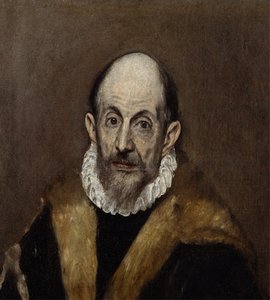
1541 - 1614 , Kreeka

Avastage El Greco 25 parimat teost! Sukelduge hispaania renessansi ja baroki maailma. Vaadake ikoonilisi maale nagu St Sebastian, Laagendatud Maria ja palju muud. Leidke täiuslik kunstiteos oma kodule BuyPopArt.com-is – kvaliteetsed reproduktsioonid ja inspiratsioon interjööridisainiks. Avastage kogu

Explore the captivating world of El Greco! Discover his unique style, spiritual intensity, and lasting impact on art history. Learn about this Renaissance master's life, iconic paintings & legacy.

Explore the rich history & techniques of oil painting – from Renaissance masters to Impressionism. Discover pigments, layering methods, and why this timeless medium endures. Expert insights for artists & art enthusiasts.

Explore the rich history & enduring techniques of oil painting with BuyPopArt. Discover masterpieces, learn about art collecting, and find authentic handmade reproductions crafted by skilled artists.

Explore the rich history & enduring techniques of oil painting on canvas. Discover the science behind its longevity, conservation practices, and contemporary relevance. Expert insights for art enthusiasts.


Püsige kursis viimaste kunstiuudistega, eksklusiivsete pakkumistega ja sisustamisideetega.
Kirjeldage meile oma projekti ja meie kunstieksperdid pakuvad teile 3 isikupärast kunstiettepanekut.
Laske meil koostada just teile mõeldud 3 valikut – tasuta!


 Eelvaade
 Saada
Saada Jaga
Jaga
 Teave teose kohta

 Laadi alla
 Sarnased teosed
 Röntgenuuring
 Slaidietendus
 Loe lähemalt







 Klaasivalik on saadaval ainult suuruses kuni 110 cm