Muuseumikvaliteediga giclée- või kangasprint kiire tootmisega ja paindlikud viimistlusvõimalused. ( Osta käsitsi maalitud maal Osta pilt)





























Vali meie eelmääratud suurused, mis vastavad teose algupärastele proportsioonidele.

Saate sisestada oma mõõdud, et need sobiks konkreetse raami või ruumi sisse. Kui valitud suurus ei vasta originaalteose proportsioonidele, lõigame teose ära või laiendame pilti peegeldatud või ühtlase servaga. Enne tootmisprotsessi algust saadetakse Teie kinnitamiseks digitaalne näidis.
Palun märka, et ekraanil kuvatav eelvaade ei kajasta tegelikku lõigamist või laiendamist. Ainult näidis kujutab täpselt lõplikku kompositsiooni.
Kuigi erimõõdu on saadaval, soovitame originaaproportsioonide säilitamiseks valida mõõt ette määratud nimekirjast.
Ülemaailmne tarne () 2 nädala jooksul, tavalise 4/5 nädala asemel. (18 august)


The Stove
Reproduktsiooni suurus
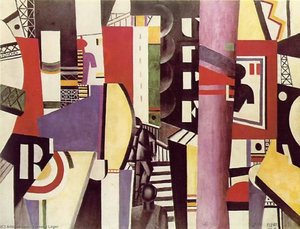
In the wake of the Great War, as the dust of conflict settled over a transforming Europe, Fernand Léger captured a moment of profound transition in his 1918 masterpiece, "The Stove." This work stands as a definitive emblem of Tubism, a revolutionary movement that sought to find beauty within the rhythmic, mechanical pulse of the modern age. Rather than retreating into pure abstraction, Léger utilized the language of geometry to celebrate the burgeoning influence of industrial machinery on human perception. The painting immediately captivates the viewer with its bold, unapologetic palette; dominant yellows and deep blues intertwine with assertive reds, creating a visual dynamism that mirrors the relentless energy of a world being rebuilt by steel and steam.
Léger’s technique in "The Stove" eschews traditional illusionistic representation, opting instead for a fascinatingly flattened spatial compression. Through his signature Tubist style, cylindrical forms—reminance of pipes, chimneys, and pistons—dominate the composition. These geometric shapes do not merely exist on the canvas; they interact with a sense of weight and volume that feels both architectural and organic. By utilizing these tubular structures, Léger mirrors the impact of mechanized life on our understanding of space, inviting the eye to navigate a landscape where the boundaries between domestic objects and industrial components begin to blur.
At first glance, the subject matter suggests a scene of quiet domesticity, yet beneath the surface lies a complex layer of symbolism. The stove itself serves as a potent anchor for the composition, representing warmth, comfort, and the stability of the home amidst the unsettling uncertainties of the post-war era. However, Léger deliberately disrupts this sense of traditional comfort through his fragmented, geometric approach. By deconstructing familiar objects—a clock, a chair, a bowl, and vases—into sharp, intersecting planes, he prompts the viewer to confront the underlying tension between the nostalgic pull of tradition and the inevitable march of progress.
The emotional resonance of the piece is found in this very friction. There is a palpable sense of disorientation caused by the busy, competing elements within the frame, yet there is also an unwavering conviction in the transformative power of form. The masterful use of color further deepens this emotional journey: the bright yellows embody a sense of optimism and newfound energy, while the cooler blues introduce a touch of melancholy and reflection. For the collector or interior designer, "The Stove" offers more than just a visual centerpiece; it provides a sophisticated dialogue between light and shadow, stability and movement.
For those seeking to infuse a contemporary space with historical depth and intellectual vigor, a high-quality reproduction of "The Stove" serves as an extraordinary focal point. Its vibrant primary colors and structured composition possess a unique ability to anchor a room, providing a sense of curated complexity. Whether placed in a minimalist setting to provide a burst of rhythmic energy or integrated into a more eclectic gallery wall, Léger’s work brings the spirit of the avant-garde into the modern home. It is an invitation to contemplate the beauty of structure and the enduring strength of the human spirit in an ever-changing technological landscape.
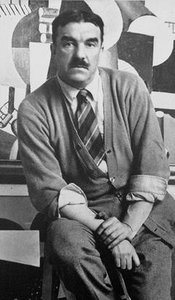
1881 - 1955 , Prantsusmaa

Discover the power of Neo-Abstract art. Explore how bold geometric forms and high-impact visual energy are redefining modern design. Learn to curate sophisticated, high-energy spaces with the latest trends in contemporary abstraction and structural color.

Discover the high-impact world of Geometric Abstraction. From Cubist roots to modern urban trends, explore how bold shapes and colors redefine contemporary design. Elevate your space with expert art insights and custom-made abstract masterpieces.

Dive into the sharp, industrial world of Precisionism. Discover how this bold American movement used geometric precision and machine-age aesthetics to redefine modern art through skyscrapers, factories, and sleek, structural beauty.

Master the high-impact world of contemporary abstraction. Discover how bold colors, textures, and modern movements like Abstract Expressionism can transform your space with premium, high-energy art curated for the design-conscious professional.


Püsige kursis viimaste kunstiuudistega, eksklusiivsete pakkumistega ja sisustamisideetega.
Kirjeldage meile oma projekti ja meie kunstieksperdid pakuvad teile 3 isikupärast kunstiettepanekut.
Laske meil koostada just teile mõeldud 3 valikut – tasuta!


 Eelvaade
 Saada
Saada Jaga
Jaga
 Teave teose kohta

 Laadi alla
 Sarnased teosed
 Röntgenuuring
 Slaidietendus

 Loe lähemalt







 Klaasivalik on saadaval ainult suuruses kuni 110 cm