Muuseumikvaliteediga giclée- või kangasprint kiire tootmisega ja paindlikud viimistlusvõimalused. ( Osta käsitsi maalitud maal Osta pilt)





























Vali meie eelmääratud suurused, mis vastavad teose algupärastele proportsioonidele.

Saate sisestada oma mõõdud, et need sobiks konkreetse raami või ruumi sisse. Kui valitud suurus ei vasta originaalteose proportsioonidele, lõigame teose ära või laiendame pilti peegeldatud või ühtlase servaga. Enne tootmisprotsessi algust saadetakse Teie kinnitamiseks digitaalne näidis.
Palun märka, et ekraanil kuvatav eelvaade ei kajasta tegelikku lõigamist või laiendamist. Ainult näidis kujutab täpselt lõplikku kompositsiooni.
Kuigi erimõõdu on saadaval, soovitame originaaproportsioonide säilitamiseks valida mõõt ette määratud nimekirjast.
Ülemaailmne tarne () 2 nädala jooksul, tavalise 4/5 nädala asemel. (14 august)


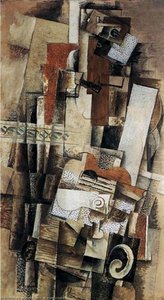
untitled (3111)
Reproduktsiooni suurus
Georges Braque’s “Untitled (3111),” a cornerstone of the Analytical Cubist movement, isn't merely a depiction of a vase; it’s an invitation to reconsider the very nature of seeing. Created around 1912, during a period of intense experimentation and collaboration with Pablo Picasso, this painting embodies the radical shift in artistic perspective that defined early 20th-century art. It emerged from a confluence of influences – Cézanne's geometric investigations, African sculpture’s stark forms, and the burgeoning interest in scientific theories of perception. Braque, deeply immersed in these currents, sought to dismantle traditional representation, not to abandon it entirely, but to expose the underlying structures that shape our visual experience.
The painting’s genesis lies within a deliberate effort to deconstruct reality into its fundamental components – planes, lines, and angles. Rather than striving for an illusion of depth or volume, Braque presents a fractured, multi-faceted view of the vase, simultaneously revealing its form from numerous vantage points. This technique, central to Analytical Cubism, rejects single-point perspective in favor of a simultaneous representation of multiple viewpoints, creating a dynamic and intellectually stimulating image. It’s a deliberate rejection of the comfortable familiarity of traditional painting, forcing the viewer to actively engage with the artwork and reconstruct its meaning.
The color palette of “Untitled (3111)” is deliberately restrained – a muted symphony of beige, grey, brown, and white. These earthy tones contribute to a sense of quiet contemplation, anchoring the fragmented forms within a subdued emotional space. Rather than blending smoothly, the colors are applied in distinct blocks, reinforcing the painting’s geometric structure and emphasizing its Cubist aesthetic. The strategic use of blue-green in the background provides a subtle yet crucial contrast, subtly directing the eye through the complex arrangement of shapes.
Lines in “Untitled (3111)” are primarily employed to delineate edges and define planes, often rendered with sharp, angular precision. These lines contribute significantly to the painting’s fragmented feel, visually dissecting the vase into its constituent parts. The texture appears relatively smooth, a product of careful brushwork, yet retains a subtle impression of flatness – a deliberate choice that reinforces the Cubist rejection of traditional three-dimensionality. Perspective is deliberately distorted; objects overlap and intersect in ways that defy conventional spatial relationships, further emphasizing the painting’s conceptual focus over realistic representation.
While a still life at its core, “Untitled (3111)” transcends mere depiction. The vase itself can be interpreted as a symbol of domesticity – a vessel for nourishment and connection – yet it’s simultaneously transformed into an abstract exploration of perception. The fragmented forms suggest the instability of visual experience, prompting viewers to question how we construct meaning from the world around us. Braque's work isn't about representing a vase; it's about representing *seeing* itself.
Reproductions of “Untitled (3111)” offer a remarkable opportunity to experience the power and intellectual depth of this pivotal work. When selecting a reproduction, consider the quality of materials – an oil-on-canvas print will capture the painting's rich texture and nuanced color palette with greater fidelity than a digital image. This artwork’s enduring appeal lies not only in its aesthetic qualities but also in its profound exploration of perception, making it a captivating addition to any art collection or interior space.
Georges Braque, kes sündis 1882. aastal Prantsusmaal Argenteuilis, astus ette teele, mis oli sügavalt seotud moderniseeruva kunstimaastikuga. Tema kasvupõlved majaülesehajatest ja dekoratoridest pärines enough tehniline meisterlikkus materjalide suhtes, kuid ka varajane arusaatus vormist ja struktuurist. Kuigi alguses järgnes ta oma isa kutsetööle, viisid Braque loomulikud kunstilised kalduseid teda kiiresti Le Havre'i École des Beaux-Arts koolituse juurde, tähistades algust teekonnal, mille lõpus sai temast üks 20. sajandi mõjuvaimaid maalareid. See alus – praktilise käsitöö ja akadeemilise õppimise kooslus – osutuks määravaks, kui ta hiljem dekonstrueeris ja re-imagineeris traditsioonilisi kunstiline konventsioone.
Pärast Pariisi asumist 1902. aastal jätkas Braque oma õpinguid Académie Humbertis, süvenedes linna vibratil kunstilisse keskkonda. Just siin kohtus ta Marie Laurencin ja Francis Picabia sarnasuste ja sidemetega kunstnikega, mis kujundasin tema varajast arengut. Tema esialgsed teosed peegeldasid valitsevaid mõjudest impressionismi ja postimpressionismi, kuid 1eks võtupunktiks sai 1905. aastal toimunud kohtumine fauvismiga, mille julge värvikasus ja ekspressiivne vabadus süütele uue suunale tema kunstilises uurimistöös.
Braque võtmine fauvistlikud printipeed – mida iseloomustavad intensiivne, mitte-naturalistlik värv ja emotsionaalne avaldus – on selgelt nähtav nii nagu maalides The Patience. Sel perioodil töötas ta koos Henri Matisse ja André Derainiga, eksperimenteerides kirevate palettide ja lihtsustatud vormidega. Kuid Braque kaasamine fauvismis ei olnud pelgalt imiteerimine; ta infuseeris seda unikaalse tundlikkusega, pehmendades liikumise piiramatu lopsakuse kontrollitudma ja analüütilisema lähenemise.
Murdepunkt saabus 1907. aastal, kui ta puutus Paul Cézanne'i retrospektiivsembaga. Cézanne'i rõhuasetus geomeetrilistele vormidele ja mitmele perspektiivile mõjutas Braque'i sügavalt, ette valmistades lavast tema murdiliku koostöö Pablo Picasso'ga. Alates 1908. aastast alustasid need kaks kunstilist titaanit intensiivset intellektuaalset vahetust, mis andis elu kubismile – revolutsioonile, mis purustas traditsioonilised esituse mõisted.
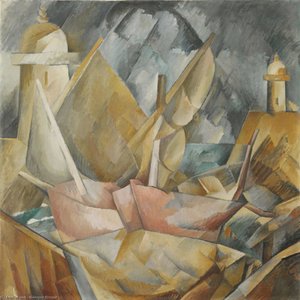
Koos arendasid Braque ja Picasso analüütilist kubismi, lahendades objektid fragmenteritud geomeetilisteks kujudeks ja esitades mitmeid vaatepunktid korraga. Teosed nagu Houses at L'Estaque demonstreerivad seda varajast faasi, näidates radikaalset kõrvalekaldet tavalistest perspektiividest ja keskendumist vormide alusstruktuurile. Nende palett muutus teadlikult vaigendatudks, eelistades vormi värvi üle, kuna nad püüdisid esitada objekti oleku tervikut rather enn vaid selle välimust.
Braque'i ja Picasso partnerlus jätkas kunstilise avalduse piiride laiendamist, viies umbes 1912. aastal sündinud sümmeetrilise kubismi arenguni. See faas tõi kaasa kollaasi – reaalsetest materjalidest koosneva elemendi lisamise maalidele, nagu ajalehefragmentid, tapeet ja kangas. See innovatsioon väljakutsus traditsioonilist hierarhiat maali ja skulptuuri vahel, hämarustades piire kunsti ja elu vahel.
Braque'i uuenduslik *papier collé* (liimatud paber) tähistas olulist pöördet tema kunstilises evolutsioonis. Integreerides igapäevaste esemete fragmente oma kompositsioonidesse, rikkus ta traditsioonilise maali illusioonilist ruumi ja lisas uue taseme materjaalsusele ja tekstuurile. See tehnika ei laiendanud mitte ainult kunsti vormilisi võimalusi, vaid peegeldas ka kasvavat huvi esituse ja reaalsuse vahelise suhte vastu.
Esmase maailmasõja puhkemine 1914. aastal tõi selle intensiivse koostöö lõpu, kuna Braque kutsuti sõjalisele teenistusele. Tema sõjakogemused mõjutasid sügavalt tema kunstilist visiooni, suunates teda pärast sõda uurima isiklikumaid ja lyrilisemaid teemasid.
Pärast sõda arenes Braque'i stiil kaugemale kubismi rangest piiridest, sisaldades klassikalise kompositsiooni elemente ja uuenenud huvi hüviku (still life) vastu. Hoides kõrgil geomeetrilisi mõjud, mis olid tema varasemaid teoseid iseloomustanud, arendas ta peenetuma ja mõttelise lähenemise maalile. Tema hilisema ajastu maastikud ja interjöörid on tuntud oma rahustava atmosfääri ja värvide peenete harmooniate poolest.
Kogu oma karjääri jooksul püüdles Braque uurima vormi, ruumi ja esituse põhimõlikke väärtusi. Ta jätkas eksperimenteerimist erinevate materjalide ja tehnikatega, lükates kunstilise avalduse piire kuni oma suremiseni 1963. aastal. Tema mõju järgnevatele kunstnikutest on mõõdamatu, kujustades modernkunsti suunda ning inspireerides lugematuid maalareid, skulptoreid ja kollaazkunstnikke.
Georges Braque pärand ulatub kaugemale kui tema üksikud teosed; ta muutis fundamentaalselt meie arusaamat, kuidas me ümbritsevat maailma tajume ja esitame. Tema koostöös Pirricoega, koos tema enda unikaalse kunstilise visiooniga, kinnitas tema koha tõelise modernkunsti pioneerina – meistrina, kes julges väljakutsuda konventsioone ja määrata maalimise uusi võimalusi.
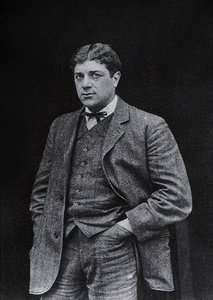
1882 - 1963 , Prantsusmaa

Discover the power of Neo-Abstract art. Explore how bold geometric forms and high-impact visual energy are redefining modern design. Learn to curate sophisticated, high-energy spaces with the latest trends in contemporary abstraction and structural color.

Discover the high-impact world of Geometric Abstraction. From Cubist roots to modern urban trends, explore how bold shapes and colors redefine contemporary design. Elevate your space with expert art insights and custom-made abstract masterpieces.


Püsige kursis viimaste kunstiuudistega, eksklusiivsete pakkumistega ja sisustamisideetega.
Kirjeldage meile oma projekti ja meie kunstieksperdid pakuvad teile 3 isikupärast kunstiettepanekut.
Laske meil koostada just teile mõeldud 3 valikut – tasuta!


 Eelvaade
 Saada
Saada Jaga
Jaga
 Teave teose kohta

 Laadi alla
 Sarnased teosed
 Röntgenuuring
 Slaidietendus

 Loe lähemalt







 Klaasivalik on saadaval ainult suuruses kuni 110 cm