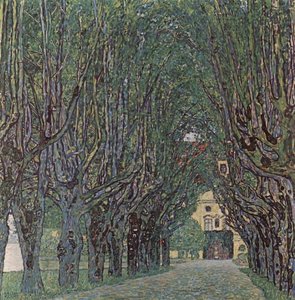
Meie kunstnike poolt tellimusel valmistatud käsitsi maalitud õli-kainaste teos teie soovitud suuruses ja raamis. ( Osta print Osta pilt)
Vali meie eelmääratud suurused, mis vastavad teose algupärastele proportsioonidele.

Sa võite sisestada oma mõõtmed konkreetse raami või ruumi sobivuse tagamiseks. Kui teie valitud suurus ei vasta originaalpildi proportsioonidele, siis kärvime kunstiteost või laiendame maali täiendavate käsitsi maalitud elementidega. Enne tootmise algust saadetakse teile heakskiitmiseks digitaalne eelvaade.
Palun pidage meeles, et ekraanil kuvatav eelvaade ei kajasta tegelikku kärpimist või laiendamist. Ainult eelvaade näitab täpselt lõplikku kompositsiooni.
Kuigi on saadaval kohandatud suurused, soovitame originaalproportsioonide säilimiseks valida mõõdud eelmääratletud nimekirjast.
Maailmline tarne 3–4 nädala jooksul tavalise 5 nädala asemel. (15 august). Kvaliteedis kompromisse ei tehta.


Painted composition draft Jusisprudenz
Reproduktsiooni suurus
Gustav Klimt's “Painted Composition Draft Jusisprudenz,” created in 1898, stands as a pivotal moment in the artist’s oeuvre—a precursor to his iconic Golden Phase and a testament to his fascination with Art Nouveau principles. This unassuming pencil drawing offers a fascinating insight into Klimt’s artistic process and foreshadows the opulent decorative style that would soon define his most celebrated works.
The artwork immediately captivates with its central focus on a monumental horse-like form, radiating outwards to encompass numerous human figures arranged in dynamic poses. Klimt eschews meticulous realism, prioritizing expressive figuration achieved through masterful line work—a technique that would become synonymous with his signature style. Hatching and crosshatching dominate the surface texture, meticulously building up tonal values and conveying a palpable sense of movement. The flattened perspective contributes to an emotional immediacy, mirroring the artist’s exploration of psychological depth.
More than just a visual depiction, “Painted Composition Draft Jusisprudenz” embodies profound symbolic resonance. The horse figure—a recurring motif in Klimt's work—represents strength, power, and perhaps even an acknowledgement of the natural world. Surrounding it are human figures engaged in contemplation and interaction, hinting at themes of justice and jurisprudence as suggested by the title itself. Klimt’s deliberate simplification of form underscores his intention to communicate ideas rather than merely represent appearances.
Created during the burgeoning Art Nouveau movement, “Painted Composition Draft Jusisprudenz” reflects the stylistic currents of its time—characterized by flowing lines, organic shapes, and a preoccupation with decorative elements. Klimt’s rejection of academic conventions aligns with the broader artistic impulse to liberate art from restrictive rules and embrace expressive freedom. The drawing serves as an important document in understanding Klimt's evolving aesthetic sensibilities.
Despite its muted palette—solely shades of gray—the artwork exudes a palpable emotional intensity. The distorted figures convey psychological complexity and hint at underlying anxieties, mirroring the artist’s personal struggles during this formative period. “Painted Composition Draft Jusisprudenz” remains a compelling study in line work and symbolic representation, offering viewers a glimpse into Klimt's artistic vision before his dazzling Golden Phase cemented his place as one of Austria’s most influential artists.
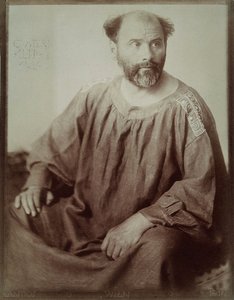
1862 - 1918 , Austria

Explore the captivating world of graphite drawing! Discover its rich history, master essential techniques like chiaroscuro, and learn how artists evoke emotion through this timeless medium. Expert insights for art enthusiasts.

Sukeldu Art Nouveau maailma! Avasta 10 ikoonilist meistriteost – Klimt, Mucha jt – ja nende ajatu ilu. Loe kunstnike lugusid ning saa inspiratsiooni sisekujunduseks. Kvaliteetsed kunsti reproduktsioonid BuyPopArt.com-ilt! Uuri kogu kollektsiooni veebis.

Explore the anatomical mastery of George B. Bridgman & his revolutionary figure drawing techniques. Discover how his methods transformed art instruction and continue to inspire artists today. Learn more at BuyPopArt.

Explore the rich history of drawing! Discover key techniques like linear perspective & iconic artists from the Renaissance to modern times. Enhance your art appreciation with BuyPopArt.

Explore the rich history of horses in fine art! From ancient depictions to Renaissance masterpieces & beyond, discover iconic artworks and artists. Learn about symbolism, techniques, and find museum-quality reproductions at BuyPopArt.


Püsige kursis viimaste kunstiuudistega, eksklusiivsete pakkumistega ja sisustamisideetega.
Kirjeldage meile oma projekti ja meie kunstieksperdid pakuvad teile 3 isikupärast kunstiettepanekut.
Laske meil koostada just teile mõeldud 3 valikut – tasuta!


 Eelvaade
 Saada
Saada Jaga
Jaga
 Teave teose kohta

 Laadi alla
 Sarnased teosed
 Röntgenuuring
 Slaidietendus

 Loe lähemalt




































 Klaasivalik on saadaval ainult suuruses kuni 110 cm