

 Acrylic On CanvasWallArtArt Nouveau
 1906
1906 44.0 x 31.0 cm
 Rahvusgalerii (National Gallery of Canada)
Ostke kõrglahutusel ja täiustatud digitaalne pilt, mis on oluliselt parem kui veebilehel näidatud eelvaade.
Iga fail on meie spetsialistide poolt hoolikalt ette valmistatud, kasutades kaasaegseid tööriistu ja professionaalset käsitsi retušeerimist. Tagame, et igal pildil on erakordne selgus, täpne värvitäpsus ja peen detail.
Lõplik fail saadetakse e-posti teel 72 tunni jooksul, olles optimeeritud koheseks kasutamiseks professionaalsetes, toimetuslikes ja trüki keskkondades. See on sama kvaliteet, mida usaldavad tipptasemel disainistuudiod, kirjastused ja galeriid.
Laadi alla kõrge resolutsiooniga fail isiklikuks vaatamiseks, trükkimiseks ja loomingulisteks projektideks. ( Osta print Osta käsitsi maalitud maal)
Valides BuyPopArt.com, ei saa sa lihtsalt pilti – saad professionaalselt parandatud digitaalse teose, mida on valmistatud täpsusega ja mis on toetatud rahuldamatusgarantiiga. Siin on kõik, mis sinu tellimusega automaatselt kaasneb:

Teie kõrge resolutsiooniga digitaalne pildifail saadetakse teile e-posti 72 tunni jooksul pärast tellimist – kohe kasutamiseks valmis.

Teie teos on professionaalselt optimeeritud arenenud tehisintellekti tööriistade ja käsitsi redigeerimise abil, tagades maksimaalse detailitaseme, selguse ja värvitäpsuse.

Kas kustutasid faili kogukalu unustamisel või kustutamisel? Puudub mure – saad selle uuesti igal ajal ilma lisatasuta.

Nautige oma teoseid koheselt ilma tolli-, maksude või tarnimaskuludeta – digiletchargused on alati maksuvabadud.

Me tagame, et teie digitaalne pilt kajastaks originaali värve professionaalsete tööriistade ja värvihalduse abil võimalikult täpselt.

Kui te ei ole oma digipildiga rahul, parandame seda või tagastame 100% summast 60 päeva jooksul – küsimusi ei esita.

Ei ole rahul? Saate täielise tagastaja 60 päeva jooksul pärast digitaalse faili kättesaamist – küsimata.

Osta 3 pilti, säästa 10% - Osta 5, säästa 15% - Osta 10+, säästa 20%. Sobib suurepäraselt loomingulisteks projektideks, galeriideks ja agentuurideks.
This exquisite study, executed in 1906 by the Austrian Symbolist painter Gustav Klimt, offers a rare glimpse into the artist's process and a poignant meditation on domesticity and introspection. The drawing captures a woman seated comfortably in bed, her posture relaxed yet alert, a book resting gently upon her lap. The scene is deceptively simple, yet brimming with subtle details that speak volumes about Klimt’s evolving artistic vision and his fascination with the human psyche. It's not merely a portrait; it’s a carefully constructed tableau designed to evoke a specific mood – one of quiet contemplation, perhaps even melancholy.
Klimt’s artistic journey was marked by a constant experimentation, culminating in his signature style that blended Symbolism, Art Nouveau, and elements of Byzantine art. This study demonstrates a crucial transitional phase. While still rooted in the realism of his earlier works, we begin to see the seeds of the opulent ornamentation and decorative patterns that would characterize his later masterpieces, particularly “The Kiss.” The use of charcoal is deliberate; it provides a foundation for layering and building up tonal values, allowing Klimt to capture both the softness of the woman’s skin and the texture of the fabrics. Crucially, this piece foreshadows the incorporation of gold leaf – a technique he would fully embrace in his final paintings—though its presence here is subtle, hinting at the richness that was to come.
Technique Notes:To understand this study fully, we must consider the broader context of Klimt's life and artistic concerns during this period. Vienna at the turn of the century was a city undergoing rapid social and cultural change—a vibrant hub of art, music, and intellectual discourse. Klimt, like many artists of his generation, was deeply engaged with these developments, exploring themes of sexuality, mortality, and the search for meaning in a rapidly modernizing world. The woman in this drawing could be interpreted as representing the ideal of feminine beauty – a figure both vulnerable and strong, caught in a moment of quiet reflection. The clock, a recurring motif in Klimt’s work, often symbolizes the passage of time and the inevitability of death. It serves as a subtle reminder of life's fleeting nature.
Historical Context:Despite its seemingly simple subject matter, this study possesses a remarkable emotional depth. The woman's gaze is averted, suggesting a private world of thoughts and feelings. The arrangement of the room—the comfortable furniture, the book in her lap—creates an atmosphere of intimacy and tranquility. Klimt masterfully captures not just a physical likeness but also a sense of inner life – a quiet moment of contemplation that invites the viewer to share in the woman’s solitude. This reproduction offers a unique opportunity to connect with one of Klimt's most intimate and revealing works, bringing a touch of timeless beauty and profound introspection into your home or studio.
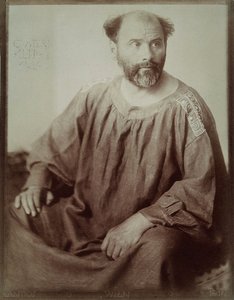
1862 - 1918 , Austria


Püsige kursis viimaste kunstiuudistega, eksklusiivsete pakkumistega ja sisustamisideetega.
Kirjeldage meile oma projekti ja meie kunstieksperdid pakuvad teile 3 isikupärast kunstiettepanekut.
Laske meil koostada just teile mõeldud 3 valikut – tasuta!


 Eelvaade
 Saada
Saada Jaga
Jaga
 Teave teose kohta

 Laadi alla
 Sarnased teosed
 Röntgenuuring
 Slaidietendus
 Loe lähemalt