Muuseumikvaliteediga giclée- või kangasprint kiire tootmisega ja paindlikud viimistlusvõimalused. ( Lülita käsitsi maalatud版本le Vaata pilti)
Vali meie eelmääratud suurused, mis vastavad teose algupärastele proportsioonidele.

Saate sisestada oma mõõdud, et need sobiks konkreetse raami või ruumi sisse. Kui valitud suurus ei vasta originaalteose proportsioonidele, lõigame teose ära või laiendame pilti peegeldatud või ühtlase servaga. Enne tootmisprotsessi algust saadetakse Teie kinnitamiseks digitaalne näidis.
Palun märka, et ekraanil kuvatav eelvaade ei kajasta tegelikku lõigamist või laiendamist. Ainult näidis kujutab täpselt lõplikku kompositsiooni.
Kuigi erimõõdu on saadaval, soovitame originaaproportsioonide säilitamiseks valida mõõt ette määratud nimekirjast.
Ülemaailmne tarne () 2 nädala jooksul, tavalise 4/5 nädala asemel. (6 august)


Cripples
Reproduktsiooni suurus
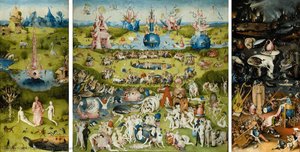
Hieronymus Bosch’s “Cripples” stands as a chilling testament to the anxieties of the Northern Renaissance, capturing not merely physical deformity but a profound psychological unease. Painted around 1500, this enigmatic triptych—a monumental work measuring approximately 31.4 × 21 cm (12.3 × 8.3 inches)—immediately confronts the viewer with an unsettling panorama of grotesque figures engaged in bizarre activities within a meticulously crafted architectural setting.
Bosch’s artistic genius resided in his ability to fuse religious allegory with fantastical imagery, creating scenes that simultaneously depict earthly suffering and foreshadow divine retribution. The composition is dominated by rows of crippled individuals—men, women, and children—each bearing visible signs of injury or disability. These figures are not merely presented as victims of misfortune; they embody a broader critique of human weakness and vulnerability in the face of God’s judgment.
The painting's remarkable detail is achieved through masterful draughtsmanship utilizing ink and pen on paper—a technique characteristic of Bosch’s workshop. Lines are employed with astonishing precision, establishing a grid-like structure that lends order to the chaotic scene while simultaneously emphasizing the contours of each figure. Crosshatching creates rich textures, conveying the roughness of clothing and skin, adding depth and visual interest.
Bosch's meticulous attention to detail extends beyond mere representation; it serves as a conduit for conveying emotion. The muted palette—primarily browns, ochres, and blacks—contributes to an atmosphere of gloom and despair. Light is diffused, lacking any dramatic highlights, reinforcing the painting’s solemn mood.
“Cripples” overflows with symbolic references rooted in medieval Christian thought. The crippled figures represent humanity's fallen state—burdened by sin and destined for eternal punishment. Their postures convey helplessness and despair, mirroring the theological concept of purgatory—a realm of purification where souls endure torment before entering heaven.
Furthermore, Bosch’s depiction of fantastical creatures—winged demons, grotesque animals—underscores the pervasive influence of folklore and superstition during his time. These elements serve as reminders that earthly existence is fraught with peril and that salvation requires unwavering faith. The painting's unsettling imagery continues to fascinate scholars and artists alike, prompting ongoing debate about its precise meaning and enduring legacy.
“Cripples” remains one of Bosch’s most arresting works—a haunting portrayal of human suffering and divine judgment that transcends its historical context. Its meticulous technique, combined with its profound symbolic content, secures its place as a cornerstone of Northern Renaissance art and a timeless exploration of the darker recesses of the human psyche.
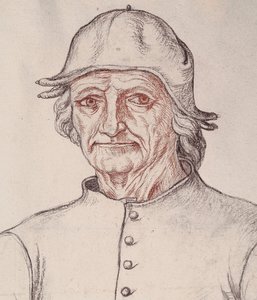
1450 - 1516 , Madalmaad

Journey through High Medieval Art! Explore 10 iconic masterpieces – from Giotto's frescoes to stunning Gothic cathedrals. Discover the stories behind these timeless paintings, sculptures & illuminated manuscripts. Find museum-quality art reproductions at BuyPopArt.com.

Explore the captivating world of Gerard David, a pivotal figure bridging late medieval artistry with the Early Renaissance. Discover his innovative techniques, religious masterpieces, and enduring legacy – a must-read for discerning art collectors.

Explore the profound religious art of Matthias Grünewald, master of the Isenheim Altarpiece. Discover his unique expressionism, symbolism & lasting impact on Renaissance painting. A guide for collectors and enthusiasts.

Avasta Põhja Renessansi 10 ikoonilist meistriteost! Van Eyck, Dürer ja Holbein – nende teoste lugu, kunstnikud ja värvid. Leia inspiratsiooni sisustamiseks ning kaunista oma kodu renessanssi klassikaga. Uuri täielik kollektsioon BuyPopArt.com-is!

Explore the rich history of religious painting with BuyPopArt.com! Discover iconic artworks, symbolism & techniques from antiquity to the Renaissance. Enhance your art appreciation today.


Püsige kursis viimaste kunstiuudistega, eksklusiivsete pakkumistega ja sisustamisideetega.
Kirjeldage meile oma projekti ja meie kunstieksperdid pakuvad teile 3 isikupärast kunstiettepanekut.
Laske meil koostada just teile mõeldud 3 valikut – tasuta!


 Eelvaade
 Saada
Saada Jaga
Jaga
 Teave teose kohta

 Laadi alla
 Sarnased teosed
 Röntgenuuring
 Slaidietendus
 Loe lähemalt




































 Klaasivalik on saadaval ainult suuruses kuni 110 cm