

 Acrylic On CanvasWallArtNeoclassical Realism
 1778
1778 123.0 x 172.0 cm
 Musée Fabre
Ostke kõrglahutusel ja täiustatud digitaalne pilt, mis on oluliselt parem kui veebilehel näidatud eelvaade.
Iga fail on meie spetsialistide poolt hoolikalt ette valmistatud, kasutades kaasaegseid tööriistu ja professionaalset käsitsi retušeerimist. Tagame, et igal pildil on erakordne selgus, täpne värvitäpsus ja peen detail.
Lõplik fail saadetakse e-posti teel 72 tunni jooksul, olles optimeeritud koheseks kasutamiseks professionaalsetes, toimetuslikes ja trüki keskkondades. See on sama kvaliteet, mida usaldavad tipptasemel disainistuudiod, kirjastused ja galeriid.
Laadi alla kõrge resolutsiooniga fail isiklikuks vaatamiseks, trükkimiseks ja loomingulisteks projektideks. ( Osta print Osta käsitsi maalitud maal)
Valides BuyPopArt.com, ei saa sa lihtsalt pilti – saad professionaalselt parandatud digitaalse teose, mida on valmistatud täpsusega ja mis on toetatud rahuldamatusgarantiiga. Siin on kõik, mis sinu tellimusega automaatselt kaasneb:

Teie kõrge resolutsiooniga digitaalne pildifail saadetakse teile e-posti 72 tunni jooksul pärast tellimist – kohe kasutamiseks valmis.

Teie teos on professionaalselt optimeeritud arenenud tehisintellekti tööriistade ja käsitsi redigeerimise abil, tagades maksimaalse detailitaseme, selguse ja värvitäpsuse.

Kas kustutasid faili kogukalu unustamisel või kustutamisel? Puudub mure – saad selle uuesti igal ajal ilma lisatasuta.

Nautige oma teoseid koheselt ilma tolli-, maksude või tarnimaskuludeta – digiletchargused on alati maksuvabadud.

Me tagame, et teie digitaalne pilt kajastaks originaali värve professionaalsete tööriistade ja värvihalduse abil võimalikult täpselt.

Kui te ei ole oma digipildiga rahul, parandame seda või tagastame 100% summast 60 päeva jooksul – küsimusi ei esita.

Ei ole rahul? Saate täielise tagastaja 60 päeva jooksul pärast digitaalse faili kättesaamist – küsimata.

Osta 3 pilti, säästa 10% - Osta 5, säästa 15% - Osta 10+, säästa 20%. Sobib suurepäraselt loomingulisteks projektideks, galeriideks ja agentuurideks.
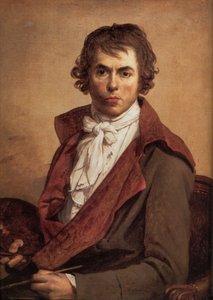
Jacques-Louis David's *Hector*, painted in 1778, is not merely a depiction of a fallen warrior; it’s a profound meditation on death, duty, and the burgeoning moral anxieties of late 18th-century France. This arresting image, rendered with the meticulous precision characteristic of David’s Neoclassical style, immediately confronts the viewer with a scene of brutal realism juxtaposed against an almost unnerving stillness. The subject, identified as Hector from Virgil's *Aeneid*, lies prone on the ground, his naked body a stark canvas for the crimson stain of blood – a visceral reminder of violent conflict and irreversible loss. The composition is deliberately austere, dominated by the figure’s physicality and the surrounding landscape, stripped of extraneous detail to amplify the emotional intensity.
David's mastery of Neoclassicism shines through in *Hector*. He consciously rejected the frivolous ornamentation of Rococo painting, favoring instead a structured composition rooted in classical ideals. The figure is positioned centrally within a shallow space, drawing immediate attention to his vulnerability. Notice how David employs dramatic chiaroscuro – the stark contrast between light and shadow – to sculpt the body, emphasizing its musculature and highlighting the wounds inflicted upon it. This technique wasn’t simply for aesthetic effect; it served to heighten the sense of pathos and underscore the tragic nature of Hector's demise. The carefully chosen rocks scattered around him aren’t decorative elements but rather anchors within this scene, grounding the figure in a desolate reality.
*Hector* is deeply layered with symbolic meaning, drawing heavily from classical mythology but resonating powerfully within the context of 1778 France. As a hero felled in battle, Hector embodies duty, honor, and sacrifice—values increasingly scrutinized during an era marked by social unrest and philosophical debate. The bowl placed near his hand isn’t simply a prop; it subtly suggests a final offering, perhaps to the gods or a plea for mercy – a poignant detail that amplifies the sense of helplessness. The reference to Virgil's *Aeneid* was particularly relevant at the time, as the epic poem explored themes of leadership, fate, and the responsibilities of rulers—topics that would soon become central to the revolutionary discourse.
Beyond its technical brilliance, *Hector* possesses a haunting emotional resonance. The painting doesn’t glorify war; it confronts us with its brutal consequences. The vulnerability of the fallen hero evokes empathy and prompts reflection on mortality and the fragility of human life. It's a work that speaks to the anxieties simmering beneath the surface of 18th-century France, an era poised on the brink of revolution. David’s *Hector* is more than just a historical painting; it’s a powerful statement about human nature, duty, and the enduring legacy of classical ideals—a timeless masterpiece rendered with unparalleled skill and profound emotional depth. A reproduction captures this intensity beautifully, offering a window into the mind of one of history's most influential artists.
1748 - 1800 , Prantsusmaa


Püsige kursis viimaste kunstiuudistega, eksklusiivsete pakkumistega ja sisustamisideetega.
Kirjeldage meile oma projekti ja meie kunstieksperdid pakuvad teile 3 isikupärast kunstiettepanekut.
Laske meil koostada just teile mõeldud 3 valikut – tasuta!


 Eelvaade
 Saada
Saada Jaga
Jaga
 Teave teose kohta

 Laadi alla
 Sarnased teosed
 Röntgenuuring
 Slaidietendus
 Loe lähemalt